🚀 أصبحت CloudSek أول شركة للأمن السيبراني من أصل هندي تتلقى استثمارات منها
اقرأ المزيد
.avif)

يمكن لهجمات برامج الفدية تشفير الأنظمة المهمة للأعمال في غضون دقائق، وإيقاف العمليات والمطالبة بالدفع لاستعادة البيانات. غالبًا ما تعاني المؤسسات التي ليس لديها ضوابط أمنية منظمة من فترات توقف طويلة وتعطل مالي كبير.
تنشأ معظم خروقات برامج الفدية من حملات التصيد الاحتيالي أو بيانات الاعتماد المخترقة أو الثغرات الأمنية غير المصححة في البرامج. تسمح إدارة الهوية الضعيفة والوصول غير المقيد للشبكة للمهاجمين بتصعيد الامتيازات ونشر التشفير عبر الأنظمة.
تتطلب الوقاية الفعالة ضوابط الأمن السيبراني متعددة الطبقات التي تمنع الدخول الأولي وتحد من الحركة الجانبية. يؤدي تنفيذ MFA وإدارة التصحيح الاستباقية وتجزئة الشبكة والنسخ الاحتياطية المرنة إلى تقليل مخاطر الاختراق بشكل كبير.
Ransomware هو برنامج ضار مصمم لتشفير الملفات أو قفل الأنظمة الرقمية لرفض الوصول. عادةً ما يطلب المهاجمون عملة مشفرة مقابل مفتاح فك التشفير.
غالبًا ما تستخدم عمليات برامج الفدية الحديثة تقنيات الابتزاز المزدوج عن طريق استخراج البيانات الحساسة قبل التشفير. ثم تقوم الجهات الفاعلة في مجال التهديد بالضغط على الضحايا مع خطر التعرض للبيانات العامة.
بالإضافة إلى التشفير، يمكن لحوادث برامج الفدية أن تعرض المعلومات السرية للخطر وتؤدي إلى عواقب تنظيمية. إن المعرفة الواضحة بكيفية عمل برامج الفدية تعزز التخطيط الاستراتيجي للوقاية.
تبدأ هجمات برامج الفدية عادةً بالوصول غير المصرح به المكتسب من خلال الثغرات التقنية أو الخطأ البشري.
تخدع رسائل البريد الإلكتروني المخادعة المستخدمين للنقر على الروابط الضارة أو فتح المرفقات المصابة المتخفية في صورة اتصال شرعي. يؤدي تنفيذ هذه الملفات بصمت إلى تثبيت برامج الفدية أو فتح باب خلفي للنشر لاحقًا.
يستخدم المهاجمون أسماء المستخدمين وكلمات المرور المسروقة لتسجيل الدخول إلى الأنظمة دون إطلاق إنذارات فورية. يسمح الوصول المميز بالتصعيد السريع والحركة الجانبية عبر الشبكة.
تكشف البرامج غير المصححة والأنظمة القديمة نقاط الضعف التي يفحصها المهاجمون ويستغلونها بنشاط. تقوم الأدوات الآلية بنشر برامج الفدية فورًا بعد تحديد نقطة الضعف.
قد تحتوي البرامج غير المصرح بها أو التطبيقات المقرصنة أو التنزيلات غير الآمنة للمتصفح على حمولات برامج الفدية المخفية. غالبًا ما يتم تنشيط البرامج الضارة بعد التثبيت أو أثناء دورات إعادة تشغيل النظام.
يقوم البائعون المخترقون أو تحديثات البرامج المصابة بتوزيع برامج الفدية من خلال قنوات موثوقة. التسليم غير المباشر يجعل الاكتشاف أكثر صعوبة خلال المراحل الأولى من التسوية.
تعتمد الوقاية القوية من برامج الفدية على ضوابط الأمان متعددة الطبقات التي تقلل نقاط الدخول وتقيد الضرر في حالة حدوث خرق.
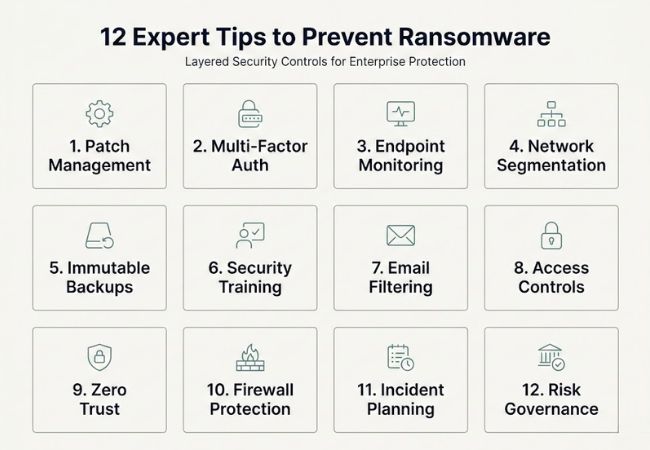
تظل البرامج غير المصححة واحدة من أكثر نقاط الدخول استغلالًا لهجمات برامج الفدية. تعمل التحديثات المنتظمة على إغلاق الثغرات المعروفة وتقليل نافذة فرصة المهاجم.
تضمن إدارة التصحيح المركزية تحديثات متسقة عبر الخوادم ونقاط النهاية وتطبيقات الطرف الثالث. تعمل الجدولة الآلية ومسح نقاط الضعف على تقليل فجوات التعرض.
تفقد بيانات الاعتماد المسروقة قيمتها عندما يتم فرض المصادقة متعددة العوامل (MFA) عبر الأنظمة. تمنع طبقات التحقق الإضافية عمليات تسجيل الدخول غير المصرح بها حتى بعد اختراق كلمة المرور.
يجب أن يكون MFA إلزاميًا للوصول عن بُعد والحسابات الإدارية والخدمات السحابية. توفر رموز الأجهزة أو تطبيقات المصادقة أو العوامل البيومترية حماية أقوى من الرموز المستندة إلى الرسائل القصيرة.
تحدد أدوات اكتشاف نقطة النهاية القائمة على السلوك نشاط التشفير المشبوه مبكرًا. يمنع العزل السريع للأجهزة برامج الفدية من الانتشار عبر الشبكة.
حديث اكتشاف نقطة النهاية والاستجابة لها (EDR) تقوم المنصات بتحليل الحالات الشاذة مثل تعديلات الملفات الجماعية أو التصعيد غير المعتاد للامتيازات. تسمح التنبيهات المبكرة لفرق الأمان باحتواء التهديدات قبل بدء التشفير على مستوى النظام.
تسمح الشبكات المسطحة للمهاجمين بالتحرك أفقيًا دون قيود. البنية التحتية المجزأة تحد من نطاق الانفجار وتحمي الأنظمة الحيوية من التشفير واسع النطاق.
يجب أن تعمل قواعد البيانات الهامة وخوادم النسخ الاحتياطي والأنظمة الإدارية في مناطق معزولة. يقلل الوصول الخاضع للرقابة بين المقاطع من مخاطر العدوى عبر البيئة.
تضمن النسخ الاحتياطية الآمنة أو غير المتصلة بالإنترنت أو غير القابلة للتغيير استعادة البيانات المشفرة بأمان. يؤدي اتباع استراتيجية النسخ الاحتياطي 3-2-1 إلى إزالة الضغط المالي لدفع طلبات الفدية.
يجب تخزين النسخ الاحتياطية عبر بيئات منفصلة، بما في ذلك التخزين غير المتصل بالإنترنت أو الذي يحتوي على فجوات هوائية. يؤكد اختبار الاستعادة الروتيني سلامة البيانات وموثوقية الاسترداد.
لا يزال الخطأ البشري نقطة دخول برامج الفدية الأساسية. يقلل تعليم الموظفين المستمر من نقرات التصيد الاحتيالي وممارسات الاعتماد غير الآمنة.
تعزز تمارين التصيد الاحتيالي التعرف على رسائل البريد الإلكتروني المشبوهة وأساليب الهندسة الاجتماعية. يعمل التعزيز المتسق على بناء ثقافة أمنية أقوى عبر المؤسسة.
متقدم أمان البريد الإلكتروني تقوم الأنظمة بفحص المرفقات والروابط المضمنة قبل التسليم. يتم وضع الحماية للملفات المشبوهة لحظر التنفيذ الضار.
تعمل أدوات التصفية القائمة على الذكاء الاصطناعي على تحليل سمعة المرسل وسلوك عنوان URL وتوقيعات المرفقات. تقلل التصفية المبكرة بشكل كبير من التعرض لبرامج الفدية على مستوى البريد الوارد.
الأذونات المفرطة تزيد من النطاق المحتمل للتسوية. يؤدي تطبيق مبادئ أقل الامتيازات إلى تقييد انتشار برامج الفدية الداخلية.
يضمن التحكم في الوصول المستند إلى الأدوار للمستخدمين الوصول فقط إلى الأنظمة المطلوبة لمسؤولياتهم. تعمل مراقبة الحساب المميز أيضًا على الحد من إساءة استخدام بيانات الاعتماد الإدارية.
تؤدي الثقة الضمنية داخل الشبكات إلى التعرض للمخاطر غير الضرورية. بنية زيرو تراست يتحقق باستمرار من المستخدمين والأجهزة قبل منح الوصول.
تعمل عمليات التحقق من المصادقة والتحقق من صحة الجهاز والمراقبة السلوكية على تعزيز الدفاعات الداخلية. يقلل التحقق المستمر من التهديدات الداخلية والقائمة على بيانات الاعتماد.
الجيل القادم تقوم جدران الحماية بفحص أنماط حركة المرور للسلوك الضار. تعمل إمكانات اكتشاف التسلل على حظر محاولات الاتصال غير المصرح بها.
تعمل قواعد جدار الحماية التي تم تكوينها بشكل صحيح على تقييد الاتصالات الخارجية المشبوهة التي تُستخدم غالبًا للتواصل مع خوادم الأوامر والتحكم. كما يدعم تسجيل حركة المرور التحقيق الجنائي في حالة وقوع حادث.
تستجيب المؤسسات المُعدة بشكل أسرع أثناء حوادث برامج الفدية النشطة. تعمل إجراءات الاستجابة الموثقة على تقليل وقت التعطل والارتباك تحت الضغط.
يجب أن تحدد كتيبات الحوادث خطوات الاحتواء وبروتوكولات الاتصال وأولويات الاسترداد. تعمل تمارين الطاولة المنتظمة على تحسين التنسيق بين فرق تكنولوجيا المعلومات والفرق القانونية والتنفيذية.
تتطلب المرونة طويلة الأجل إشرافًا منظمًا وتقييمات دورية للمخاطر. أطر الحوكمة ضمان التحسين الأمني المستمر ضد تهديدات برامج الفدية المتطورة.
يجب أن تتوافق السياسات الأمنية مع المتطلبات التنظيمية ومستويات تحمل المخاطر الداخلية. تضمن المساءلة التنفيذية أن يظل الأمن السيبراني أولوية استراتيجية وليس إجراءً تفاعليًا.
تتطلب الحماية الشاملة ضمانات منسقة عبر إدارة الوصول وتصميم البنية التحتية وحماية البيانات وممارسات الإشراف.
يجب أن يتطلب الوصول إلى الأنظمة التحقق متعدد الطبقات وإدارة بيانات الاعتماد الصارمة. الحد من مخاطر المصادقة يقلل بشكل كبير من نقاط الدخول غير المصرح بها.
يجب تحليل محطات العمل والخوادم باستمرار بحثًا عن تغييرات الملفات غير الطبيعية أو العمليات المشبوهة. يؤدي الاحتواء الفوري للأجهزة المخترقة إلى الحد من التصعيد.
يؤدي تقسيم البيئات إلى مناطق خاضعة للرقابة إلى تقييد التعرض عبر الأنظمة. تمنع البنية المعزولة حدوث اضطراب واسع النطاق أثناء أحداث التسوية.
تتيح النسخ الاحتياطية المحمية المخزنة بشكل منفصل عن أنظمة الإنتاج الاستعادة الآمنة. يضمن التحقق من الاسترداد استمرارية التشغيل دون الاعتماد على مدفوعات الابتزاز.
تساعد سجلات الأحداث المجمعة والتحليلات السلوكية على اكتشاف الحالات الشاذة مبكرًا. يؤدي التعرف السريع إلى تقصير وقت بقاء المهاجم داخل البيئات الرقمية.
تعمل السياسات المحددة والمساءلة التنفيذية على تعزيز النضج السيبراني على المدى الطويل. تحافظ دورات التقييم المنظمة على التوافق مع مناظر التهديدات المتطورة.
يمكن منع برامج الفدية عن طريق تقليل نقاط الدخول وفرض ضوابط وصول قوية والحفاظ على أنظمة الاسترداد الآمنة. يقلل التصحيح المتسق وإنفاذ MFA ومراقبة نقطة النهاية والبنية التحتية المجزأة بشكل كبير من مخاطر الاختراق.
الدفاعات الفنية وحدها لا تكفي بدون ممارسات تشغيلية منضبطة. يعمل وعي الموظفين والنسخ الاحتياطية المختبرة وإجراءات الاستجابة الموثقة على تعزيز الحماية الشاملة.
تعتمد الوقاية المستدامة على التحسين المستمر والتقييم الأمني المنتظم. تحافظ المؤسسات التي تطبق ضوابط متعددة الطبقات وتتكيف مع التهديدات المتطورة على مرونة أقوى على المدى الطويل ضد هجمات برامج الفدية.
الطريقة الأكثر فعالية لمنع برامج الفدية هي الجمع بين MFA والتصحيح المنتظم ومراقبة نقطة النهاية وتقسيم الشبكة والنسخ الاحتياطية الآمنة. تعمل عناصر التحكم ذات الطبقات على حظر نقاط الدخول والحد من الضرر في حالة حدوث محاولة اختراق.
يجب على الشركات الصغيرة إعطاء الأولوية للمصادقة القوية والتحديثات التلقائية للبرامج وتصفية البريد الإلكتروني والنسخ الاحتياطية دون اتصال بالإنترنت. تعمل الدفاعات الأساسية ذات الطبقات على تقليل التعرض بشكل كبير حتى بدون ميزانيات أمنية كبيرة.
نعم، يمكن لأدوات الكشف السلوكي تحديد نشاط الملفات المشبوهة قبل انتشار التشفير الكامل. يؤدي العزل المبكر للأجهزة المتأثرة إلى منع حدوث اختراق على مستوى النظام.
لا توقف النسخ الاحتياطية العدوى ولكنها تضمن التعافي الآمن دون دفع طلبات الفدية. توفر النسخ غير القابلة للتغيير والمختبرة بانتظام قدرة استعادة موثوقة.
يجب مراجعة الضوابط الأمنية بشكل مستمر وتقييمها رسميًا سنويًا على الأقل. تتطور أساليب التهديد بسرعة، مما يجعل التحديثات المنتظمة ضرورية للوقاية الفعالة.
