.avif)

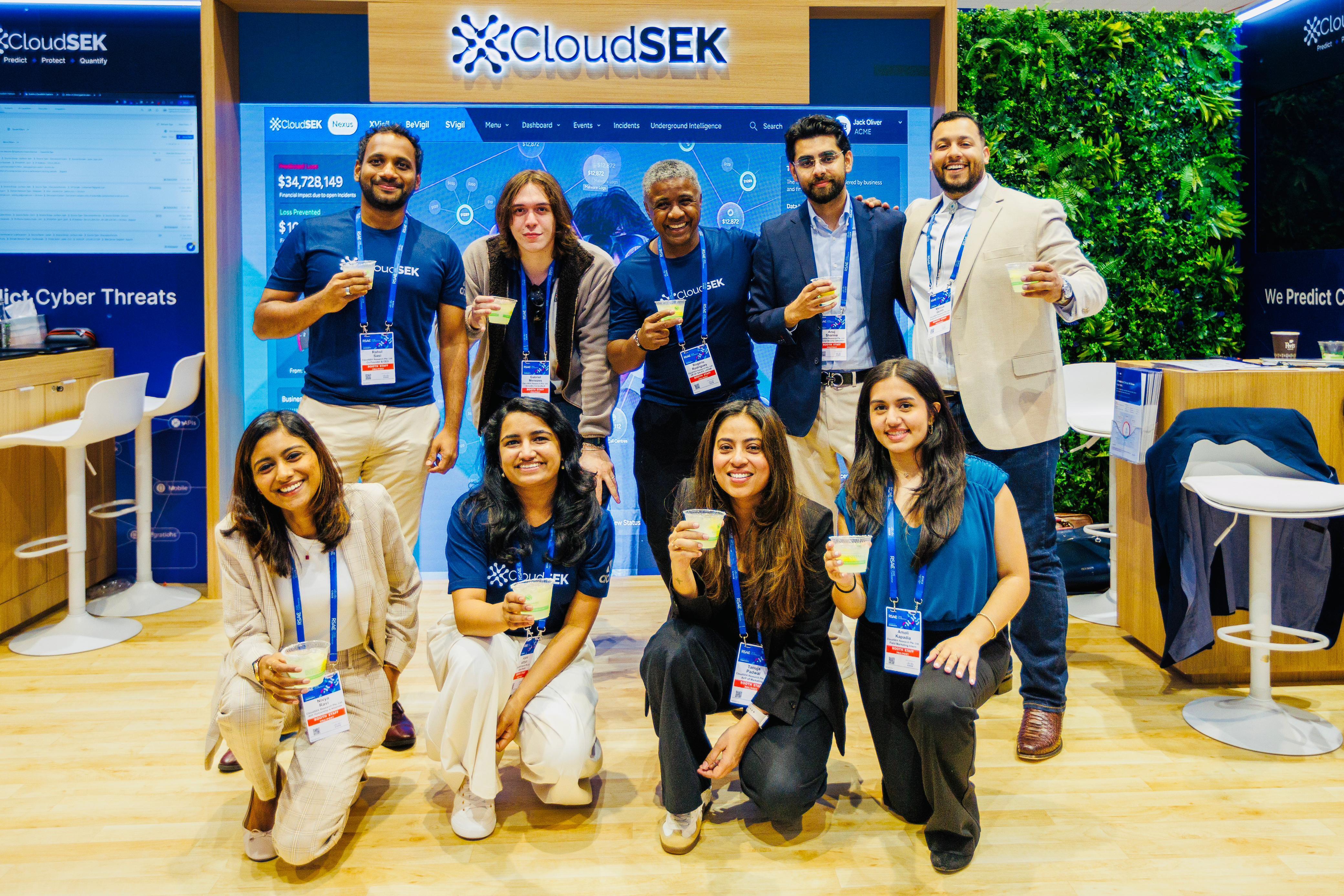
San Francisco | Moscone Center: RSAC 2026 is done, but one theme stood out across almost every conversation. Cyber threats are getting smarter, faster, and increasingly driven by artificial intelligence. The industry knows it. The real question now is how to respond.
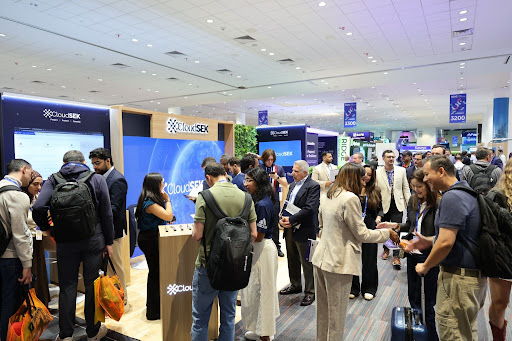
For CloudSEK, this year’s RSA Conference was less about showcasing capabilities and more about listening closely to what security leaders are dealing with on the ground. At Booth S-3241, conversations with CISOs, security teams, and technology leaders revealed a clear shift. Organizations are no longer just worried about breaches. They are worried about the speed and scale at which attacks can now be executed.

AI is at the center of this shift.
Across discussions, there was a growing concern that attackers are no longer limited by manual effort. Reconnaissance is faster. Vulnerability discovery is more efficient. Attack paths can be identified and chained together with far greater precision. What once took weeks can now happen in hours. This change is forcing organizations to rethink how they approach defense.
Detection alone is no longer enough.
What security teams are actively looking for is the ability to anticipate attacks before they take shape. There is a strong demand for solutions that can connect signals across multiple environments, identify potential attack paths, and provide context that helps teams act early. This is where the conversation is moving. From reactive security to predictive intelligence.
At RSAC 2026, CloudSEK demonstrated how this shift can be addressed. By bringing together external threat signals, attack surface intelligence, and AI-driven analysis, the platform helps organizations understand where they are exposed and how those exposures can be exploited. Instead of looking at isolated alerts, security teams can see how attackers might move, what they might target, and where intervention is possible.
The interest in attack path prediction was particularly strong. Security leaders are increasingly aware that risk does not exist in silos. A misconfigured asset, an exposed credential, and a vulnerable third-party system are not separate issues. When combined, they can create a clear path for exploitation. Understanding that path before an attacker does is becoming critical.
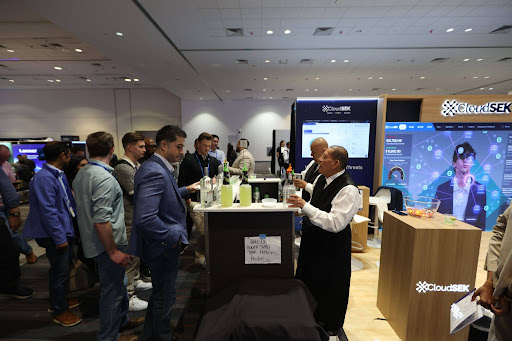
The CloudSEK Cy-Bar became an extension of these conversations. It was not just a space within the booth, but a place where discussions became more direct and grounded. Without the structure of formal presentations, leaders spoke openly about the challenges they are facing. Many acknowledged that while they have tools in place, they still lack the visibility and context needed to stay ahead of AI-driven threats.
Another consistent theme was the need to translate technical intelligence into business impact. As AI accelerates both attack and defense, security decisions are increasingly tied to broader organizational risk. CISOs are expected to explain not just what the threat is, but what it means for the business. This is driving the need for platforms that can quantify risk and prioritize actions in a meaningful way.
RSAC 2026 made one thing clear. The industry is entering a phase where speed, context, and prediction matter more than ever. AI is not just an emerging factor. It is already reshaping how attacks are planned and executed. The organizations that adapt to this reality will be better positioned to defend themselves.

For CloudSEK, the direction remains clear. Continue building capabilities that help organizations detect early signals, understand exposure across external environments, and predict how attacks may unfold. More importantly, enable security teams to move with the same speed and intelligence that attackers are now using.
To everyone who visited Booth S-3241 and engaged in these discussions, thank you. The insights shared during RSAC are what shape what comes next.
If you could not join us at RSAC 2026, you can explore how CloudSEK is helping organizations stay ahead of AI-driven threats at https://www.cloudsek.com.
The nature of cyber threats is changing. The way we respond has to change with it.

