🚀 أصبحت CloudSek أول شركة للأمن السيبراني من أصل هندي تتلقى استثمارات منها
اقرأ المزيد
.avif)

الاستغلال هو جزء من التعليمات البرمجية أو الأمر أو التقنية التي تستفيد من ثغرة أمنية في البرامج أو الأجهزة أو النظام. يتم استخدامه لتحفيز السلوك غير المقصود وتجاوز الحماية الأمنية العادية.
يوجد الاستغلال فقط بسبب وجود ثغرة أمنية. الثغرة الأمنية هي الخلل في النظام. الاستغلال هو الطريقة المستخدمة لإساءة استخدام هذا العيب. بدون عيب، لا يوجد شيء لاستغلاله.
يمكن كتابة عمليات الاستغلال كنصوص برمجية أو تضمينها داخل برامج ضارة أو تنفيذها يدويًا من خلال مدخلات معدة. والغرض منها هو الحصول على وصول غير مصرح به أو تصعيد الامتيازات أو تنفيذ الأوامر أو التدخل في عمليات النظام العادية.
عندما ينجح الاستغلال، يمكن أن يؤدي ذلك إلى سرقة البيانات أو التحكم في النظام أو تعطيل الخدمة أو تثبيت البرامج الضارة. بعبارات بسيطة، يحول الاستغلال ثغرة أمنية إلى طريقة عمل للهجوم.
الفرق الرئيسي بسيط: الثغرة الأمنية هي نقطة ضعف، والاستغلال هو الطريقة المستخدمة للاستفادة من هذا الضعف، والتهديد هو الفاعل أو الحدث الذي يسبب الضرر باستخدام الاستغلال.
الثغرة الأمنية هي خلل في البرامج أو الأجهزة أو التكوين يؤدي إلى حدوث فجوة أمنية. الاستغلال هو الكود أو التقنية التي تستهدف هذا العيب. يشير التهديد إلى الشخص أو المجموعة أو الظرف القادر على تنفيذ هجوم.
فيما يلي جدول المقارنة لتمييز الاختلافات:
تقوم الثغرة الأمنية بإنشاء الفتحة. الاستغلال يحول هذا الفتح إلى وصول. يستخدم التهديد الاستغلال للتسبب في الضرر.
يعمل الاستغلال من خلال العثور على نقطة ضعف، وتقديم مدخلات معدة للهدف، وإجبار النظام على التصرف خارج التصميم المقصود.
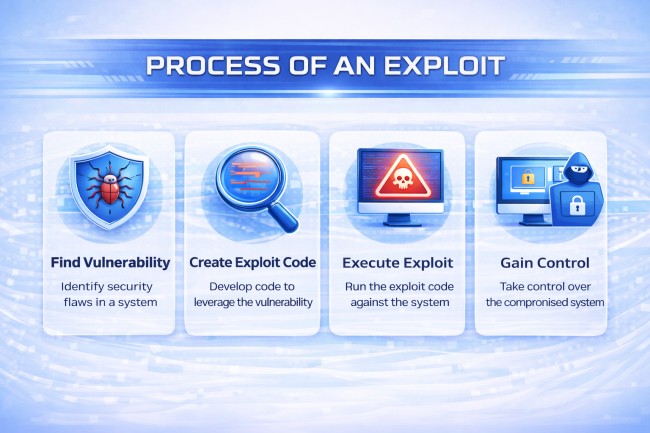
فيما يلي العملية في خطوات كيفية عمل الاستغلال:
تبدأ العملية بتحديد الخلل في البرامج أو الأجهزة أو التكوين. قد ينتج هذا الخلل عن أخطاء الترميز أو ضوابط الوصول الضعيفة أو الأنظمة القديمة.
بعد اكتشاف الخلل، يدرس المهاجم كيفية تصرف النظام. يساعد هذا التحليل في تحديد كيفية تشغيل الضعف ونوع الوصول الذي قد يوفره.
بعد ذلك، يقوم المهاجم بإنشاء إدخال أو أوامر أو تعليمات برمجية محددة لاستهداف نقطة الضعف. تم تصميم المدخلات المصممة لمعالجة كيفية تعامل النظام مع الطلبات.
يقوم المهاجم بنشر الاستغلال على النظام المستهدف. قد يتم التسليم من خلال موقع ويب ضار أو طلب شبكة أو ملف مصاب أو قناة إدخال أخرى تتفاعل مع المكون الضعيف.
عندما يقوم النظام بمعالجة المدخلات المصممة، تتسبب الثغرة الأمنية في حدوث سلوك غير مقصود. تفشل عناصر التحكم في الأمان بسبب الخلل الأساسي.
بمجرد تشغيله، يقوم المهاجم بتنفيذ الإجراء المقصود. قد يشمل ذلك الوصول أو رفع الامتيازات أو سرقة المعلومات أو تثبيت برامج ضارة.
يتم تصنيف عمليات الاستغلال استنادًا إلى مكان تنفيذها وكيفية تسليمها ومستوى الوصول الذي تحاول الحصول عليه.
يستهدف الاستغلال عن بُعد نظامًا عبر شبكة دون الحاجة إلى الوصول المادي. يرسل المهاجم طلبات معدة أو حزم بيانات إلى خدمة ضعيفة تعمل على الجهاز المستهدف. في حالة النجاح، يسمح الاستغلال بالتحكم أو تنفيذ الأوامر من مسافة بعيدة.
يتطلب الاستغلال المحلي الوصول المسبق إلى النظام، حتى لو كان هذا الوصول محدودًا. يتم استخدامه لتوسيع الأذونات أو تجاوز القيود الأولية. غالبًا ما تساعد عمليات الاستغلال المحلية المهاجمين على تعزيز موطئ قدمهم بعد الدخول.
يستهدف استغلال يوم الصفر ثغرة أمنية غير معروفة لبائع البرنامج أو ليس لديها تصحيح متاح. نظرًا لأن نقطة الضعف لم يتم إصلاحها بعد، غالبًا ما تنجح عمليات الاستغلال في يوم الصفر قبل أن تتمكن الدفاعات من الاستجابة.
تم تصميم عمليات استغلال تصعيد الامتيازات لزيادة حقوق الوصول. يستخدم المهاجم الذي يتمتع بأذونات المستخدم الأساسية هذا النوع من الاستغلال للحصول على تحكم إداري أو على مستوى النظام.
يستغل تطبيق الويب نقاط الضعف المستهدفة في مواقع الويب والخدمات المستندة إلى الويب. تشمل الأمثلة عيوب الحقن وتجاوزات المصادقة والتحقق من صحة الإدخال غير الصحيح. تركز عمليات الاستغلال هذه على التطبيقات من جانب الخادم التي يمكن الوصول إليها من خلال المتصفحات.
يستغل جانب العميل التطبيقات المستهدفة التي تعمل على أجهزة المستخدم، مثل المتصفحات أو برامج عرض المستندات. تؤدي مواقع الويب أو مرفقات البريد الإلكتروني أو الملفات الضارة إلى ظهور ثغرات أمنية عند فتحها من قبل المستخدم.
تستهدف عمليات الاستغلال طبقات مختلفة من بيئة المؤسسة، اعتمادًا على مكان وجود نقطة الضعف وكيفية إساءة استخدامها.
تستغل الأجهزة المكونات المادية المستهدفة مثل المعالجات أو البرامج الثابتة أو أجهزة التخزين أو الأنظمة المضمنة. تستفيد هذه الهجمات من عيوب التصميم منخفضة المستوى أو البرامج الثابتة غير الآمنة.
تتضمن طرق الاستغلال الشائعة ما يلي: تعديل البرامج الثابتة وهجمات القنوات الجانبية وعمليات زرع الأجهزة الضارة وإساءة استخدام الثغرات الأمنية في المعالج. يمكن أن يوفر الاستغلال الناجح للأجهزة تحكمًا عميقًا في النظام يصعب إزالته.
تركز عمليات استغلال البرامج على نقاط الضعف في أنظمة التشغيل أو التطبيقات أو الخدمات. غالبًا ما تنشأ هذه العيوب من أخطاء الترميز أو التحقق غير الصحيح من الإدخال.
تتضمن طرق الاستغلال الشائعة ما يلي: هجمات تجاوز سعة المخزن المؤقت وحقن SQL وحقن الأوامر والبرمجة النصية عبر المواقع (XSS) وتقنيات تنفيذ التعليمات البرمجية عن بُعد. قد تؤدي عمليات الاستغلال هذه إلى تمكين المهاجمين من تنفيذ التعليمات البرمجية أو الوصول إلى البيانات الحساسة أو التسبب في تعطل التطبيقات.
تستغل الشبكة بروتوكولات الاتصال المستهدفة والمنافذ المكشوفة والتكوينات غير الآمنة. تتلاعب هذه الهجمات بكيفية تبادل الأنظمة للبيانات.
تتضمن طرق الاستغلال الشائعة ما يلي: هجمات رجل في الوسط، وانتحال DNS، واختطاف الجلسة، واستغلال الخدمات المفتوحة. يمكن لهذه التقنيات اعتراض حركة المرور أو تجاوز المصادقة أو توفير الوصول إلى النظام عن بُعد.
تعتمد عمليات استغلال الموظفين على نقاط الضعف البشرية بدلاً من العيوب الفنية. يتلاعب المهاجمون بالثقة أو السلطة أو الإلحاح للوصول.
تتضمن طرق الاستغلال الشائعة ما يلي: رسائل البريد الإلكتروني الاحتيالية وجمع بيانات الاعتماد والتذرائع وإساءة استخدام الامتيازات الداخلية. تسمح هذه التكتيكات للمهاجمين بتجاوز الدفاعات الفنية من خلال التفاعل البشري.
يستغل الموقع الفعلي نقاط الضعف المستهدفة في ضوابط الأمان المادية. إذا لم يتم تأمين المرافق أو الأجهزة بشكل صحيح، يمكن للمهاجمين الوصول المباشر.
تتضمن طرق الاستغلال الشائعة ما يلي: الدخول غير المصرح به إلى المبنى وسرقة الأجهزة والتلاعب بالأجهزة وتثبيت الأجهزة الخادعة مثل محركات أقراص USB الضارة أو غرسات الشبكة. غالبًا ما يتيح الوصول المادي اختراق النظام بشكل أعمق.
مجموعات الاستغلال هي مجموعات أدوات جاهزة تعمل على أتمتة عملية استغلال الثغرات الأمنية المعروفة. فهي تجمع العديد من عمليات الاستغلال معًا وتسهل نشرها على نطاق واسع.
تقوم مجموعة أدوات الاستغلال عادةً بفحص النظام المستهدف بحثًا عن نقاط الضعف، وتحديد الاستغلال المناسب، وتسليم حمولة ضارة تلقائيًا. غالبًا ما تحدث هذه العملية في غضون ثوانٍ بعد زيارة المستخدم لموقع ويب مخترق أو النقر على رابط ضار.
عادةً ما تستهدف مجموعات الاستغلال المتصفحات القديمة والمكونات الإضافية غير المصححة ومكونات البرامج الضعيفة. بمجرد اكتشاف نقطة ضعف، تقوم المجموعة بتشغيل الاستغلال المطابق للوصول إلى البرامج الضارة وتثبيتها مثل برامج الفدية أو برامج التجسس أو أدوات الوصول عن بُعد.
تقلل هذه المجموعات من المهارات الفنية المطلوبة لشن الهجمات. بدلاً من كتابة تعليمات برمجية مخصصة، يمكن للمهاجمين استخدام أطر استغلال تم إنشاؤها مسبقًا لاستهداف أعداد كبيرة من الضحايا بكفاءة.
بعبارات بسيطة، تعمل مجموعة أدوات الاستغلال كنظام تسليم آلي يكتشف نقاط الضعف ويطلق عمليات الاستغلال دون تدخل يدوي.
تسببت عمليات الاستغلال في حوادث أمنية كبيرة في جميع أنحاء العالم، مما يوضح كيف يمكن أن تؤدي ثغرة أمنية واحدة إلى انتهاكات واسعة النطاق للبيانات وخسائر مالية وتعطيل تشغيلي. فيما يلي بعض الثغرات المعروفة:
في مايو 2017، انتشر هجوم WannaCry Ransomware بسرعة في جميع أنحاء العالم من خلال استغلال ثغرة أمنية في Microsoft Windows تُعرف باسم EternalBlue. تم تطوير الاستغلال في الأصل كأداة إلكترونية وتم تسريبه لاحقًا علنًا. استخدمها المهاجمون لاستهداف الأنظمة غير المصححة عبر الإنترنت.
أثر الهجوم على أكثر من 200,000 جهاز كمبيوتر في 150 دولة. تأثرت المستشفيات في الخدمة الصحية الوطنية في المملكة المتحدة بشدة، مما أدى إلى إلغاء المواعيد وانقطاع الخدمة. بمجرد دخول النظام، قام WannaCry بتشفير الملفات وطلب دفع الفدية بالعملة المشفرة. تسبب الحادث في أضرار عالمية بمليارات الدولارات وسلط الضوء على مخاطر تأخير الترقيع.
في عام 2017، استغل المهاجمون ثغرة أمنية معروفة في Apache Struts، وهو إطار تطبيق ويب تستخدمه Equifax. كان هناك تصحيح متاح للخلل، لكن النظام ظل غير مصحح. استخدم المهاجمون الاستغلال للوصول إلى قواعد البيانات الداخلية.
كشف الاختراق معلومات شخصية حساسة لما يقرب من 147 مليون فرد. تضمنت البيانات المسروقة الأسماء وأرقام الضمان الاجتماعي وتواريخ الميلاد والعناوين. وشملت العواقب التحقيقات التنظيمية والإجراءات القانونية والإضرار بالسمعة والتسوية التي تتجاوز 700 مليون دولار.
في ديسمبر 2021، أصبحت ثغرة خطيرة في مكتبة تسجيل Log4j، المستخدمة على نطاق واسع في تطبيقات Java، معروفة للجمهور. سمح الخلل، الذي أطلق عليه لاحقًا اسم Log4Shell، للمهاجمين بتنفيذ التعليمات البرمجية عن بُعد عن طريق إرسال طلبات مصممة خصيصًا إلى الأنظمة الضعيفة.
الجهات الفاعلة في مجال التهديد بدأت بسرعة في مسح الإنترنت بحثًا عن الخوادم المتأثرة. نظرًا لأن Log4j كان مضمنًا في عدد لا يحصى من تطبيقات المؤسسات، فقد كان التعرض واسع الانتشار. سارعت المنظمات عبر الصناعات إلى تصحيح الأنظمة وتخفيف المخاطر. خلقت الثغرة الأمنية واحدة من أكثر الاستجابات الأمنية العالمية إلحاحًا في السنوات الأخيرة وأظهرت كيف يمكن أن يؤثر استغلال واحد على ملايين الأنظمة في جميع أنحاء العالم.
يتطلب اكتشاف الثغرات مراقبة أنماط الهجوم المعروفة والسلوك غير الطبيعي والعلامات المبكرة التي تشير إلى إساءة استخدام نقطة الضعف. فيما يلي أفضل الطرق لاكتشاف هجوم الاستغلال.
تقارن أدوات الأمان النشاط بقاعدة بيانات لأنماط الاستغلال المعروفة. إذا تطابق الرمز أو حركة المرور مع توقيع معروف، فسيقوم النظام بوضع علامة عليه. تعمل هذه الطريقة جيدًا ضد عمليات الاستغلال المعروفة ولكن لا يمكنها اكتشاف الثغرات الجديدة.
بدلاً من التركيز على التعليمات البرمجية المعروفة، تبحث مراقبة السلوك عن الإجراءات المشبوهة. يمكن أن تشير تغييرات الامتيازات غير المتوقعة أو عمليات تشغيل العمليات غير العادية أو اتصالات الشبكة الغريبة إلى الاستغلال. تساعد هذه الطريقة في الكشف عن الهجمات غير المرئية سابقًا.
تراقب IDS حركة مرور الشبكة للطلبات المشبوهة أو حزم البيانات غير الصحيحة التي تشبه محاولات الاستغلال. يمكن لـ IPS حظر هذه الطلبات بنشاط قبل وصولها إلى النظام المستهدف، مما يقلل من مخاطر الاختراق.
تراقب أدوات EDR النشاط مباشرة على أجهزة المستخدم والخوادم. فهي تتعقب سلوك العملية واستخدام الذاكرة وتغييرات الملفات وتنفيذ الأوامر. إذا تسبب الاستغلال في حدوث سلوك غير طبيعي، يمكن لـ EDR عزل الجهاز أو إيقاف العملية الضارة.
تحدد عمليات الفحص المنتظمة البرامج غير المصححة أو التكوينات الضعيفة أو الأنظمة القديمة. إن العثور على نقاط الضعف هذه وإصلاحها يقلل من فرصة نجاح الاستغلال.
تقوم سجلات النظام بتسجيل الأحداث مثل محاولات تسجيل الدخول والوصول إلى الملفات وتغييرات التكوين. تساعد مراجعة هذه السجلات على اكتشاف الأنماط التي تشير إلى محاولة استغلال جارية.
تعتمد فرق الأمان على المعلومات المحدثة حول حملات الاستغلال النشطة ونقاط الضعف المكتشفة حديثًا. تسمح المعلومات في الوقت المناسب للأنظمة باكتشاف التهديدات الناشئة والاستجابة لها بشكل أكثر فعالية.
يتطلب منع هجوم الاستغلال تقليل نقاط الضعف والحد من فرص المهاجمين للاستفادة منها.
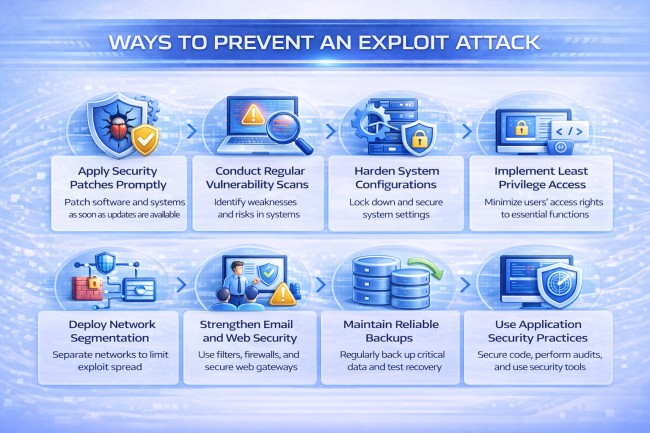
فيما يلي أفضل الممارسات التي يجب على المؤسسات اتباعها لمنع عمليات الاستغلال:
قم بتحديث أنظمة التشغيل والتطبيقات والبرامج الثابتة بمجرد توفر التصحيحات. تستهدف معظم عمليات الاستغلال الثغرات الأمنية المعروفة التي تم إصلاحها بالفعل. يعمل التصحيح في الوقت المناسب على سد هذه الفجوات قبل إساءة استخدامها.
افحص الأنظمة والتطبيقات بشكل متكرر لتحديد نقاط الضعف. عالج المشكلات المكتشفة بسرعة لتقليل التعرض. يساعد المسح المستمر في الكشف عن المخاطر المخفية.
قم بتعطيل الخدمات غير الضرورية وإغلاق المنافذ غير المستخدمة وإزالة بيانات الاعتماد الافتراضية. يعمل التكوين القوي على تقليل عدد نقاط الدخول التي يمكن للمهاجمين استهدافها.
امنح المستخدمين والتطبيقات الأذونات التي يحتاجون إليها حقًا فقط. يؤدي تقييد الامتيازات إلى الحد من الضرر في حالة نجاح الاستغلال.
افصل الأنظمة الحرجة عن شبكات المستخدم العامة. يمنع التقسيم المهاجمين من التحرك بحرية عبر البيئة بعد الوصول.
قم بتصفية المرفقات الضارة وحظر الروابط المشبوهة واستخدم عناصر تحكم التصفح الآمنة. تبدأ العديد من محاولات الاستغلال من خلال مواقع التصيد الاحتيالي أو المخترقة.
تدريب الموظفين على التعرف على رسائل البريد الإلكتروني المشبوهة والتنزيلات غير المتوقعة وسلوك النظام غير المعتاد. يقلل المستخدمون المطلعون من معدل نجاح أساليب الهندسة الاجتماعية.
احتفظ بنسخ احتياطية آمنة ومختبرة بانتظام من البيانات المهمة. إذا أدى الاستغلال إلى برامج الفدية أو تلف النظام، فإن النسخ الاحتياطية تتيح الاسترداد دون دفع المهاجمين.
اتبع معايير الترميز الآمنة واختبر التطبيقات بحثًا عن الثغرات الأمنية قبل النشر. تعمل المراجعات المنتظمة للكود واختبار الأمان على تقليل العيوب القابلة للاستغلال.
تتبع السلوك غير الطبيعي عبر نقاط النهاية والشبكات. تقلل الاستجابة المبكرة من فرصة أن يؤدي الاستغلال إلى حل وسط واسع النطاق.
تقلل الرؤية الاستباقية من مخاطر الانتهاكات الناتجة عن الاستغلال. يوفر CloudSek حماية المخاطر الرقمية وخارجي مراقبة سطح الهجوم يساعد المؤسسات على تحديد الأصول المكشوفة وبيانات الاعتماد المسربة ونقاط الضعف المرئية للجمهور قبل أن يستغلها المهاجمون.
من خلال المسح المستمر لسطح الهجوم الخارجي ومراقبة مناقشات الويب المظلمة، يتيح CloudSek الاكتشاف المبكر للتعرض للثغرات الأمنية واستغلال النشاط الذي يستهدف المؤسسة. تدعم قدرة الإنذار المبكر هذه التصحيح السريع وتحديد أولويات المخاطر بشكل أقوى وتقليل احتمالية الاستغلال الناجح.
