🚀 أصبحت CloudSek أول شركة للأمن السيبراني من أصل هندي تتلقى استثمارات منها
اقرأ المزيد
.avif)

أفضل منتديات الويب المظلمة ومجتمعات الويب العميقة في عام 2026 هي XSS و Dread و BreachForums و Nulled و Cracked و exploit.in و CryptBB و DarkForums و LeakBase و Altenen، استنادًا إلى عدد المرات التي ظهرت فيها في التحقيقات وسجلات المحكمة وأعمال الاستجابة للخرق.
وأدت كل منصة وظيفة محددة، بدءًا من التوسط في الوصول الأولي إلى الشبكة وعمليات الاستغلال التجاري إلى إعادة توزيع البيانات المسربة أو تمكين إساءة استخدام الحسابات على نطاق واسع. جاء تأثيرهم من كيفية انتقال النشاط بينهم، وليس من أي منتدى واحد يعمل بمفرده.
تسبب التوسع والتكرار عبر هذه المنتديات في معظم الضرر في العالم الحقيقي، مدفوعًا ببيانات الاختراق المعاد استخدامها وإساءة استخدام بيانات الاعتماد الآلية. يعتمد التفسير الدقيق على تتبع النشاط بمرور الوقت والتحقق من صحة المطالبات بأدلة خارجية، وهي عملية تدعمها منصات مثل CloudSek.
ركزت هذه المراجعة على المنتديات التي تستمر في الظهور على مدار عدة سنوات، حتى مع إزالة المنصات أو تغيير علامتها التجارية. تم إعطاء الأولوية للمجتمعات ذات الوجود التاريخي الواضح بدلاً من المواقع قصيرة العمر أو الانتهازية.
تم فحص كل منتدى بناءً على الغرض الذي يستخدمه الأشخاص فعليًا، وليس فقط عدد مرات ذكره أو حجمه. وقد ساعد ذلك على فصل المساحات التي تركز على المناقشة عن الأسواق وتوضيح الدور الذي تلعبه كل منصة.
اعتمد التحليل على سجلات المحكمة والتحقيقات العامة والبحث الأكاديمي أو المؤسسي بدلاً من المصادر الترويجية أو التجارية. عندما لم تكن الأرقام الدقيقة متاحة، تم استخدام السلوك المتسق والنتائج الموثقة لتوجيه التقييم.
تستمر شبكة الويب المظلمة ومنتديات الويب العميقة في دفع تنسيق الجرائم الإلكترونية على الرغم من عمليات الإزالة المتكررة. في عام 2026، أثرت على الكشف عن الخروقات والوصول إلى التداول وعلى نطاق أوسع أنماط مخاطر الأمن السيبراني.
XSS هو منتدى للجرائم الإلكترونية باللغة الروسية ظهر لأول مرة في عام 2013 وتطور إلى سوق منظم تحت الأرض مع استمرارية طويلة الأجل. يعكس تطورها الاستقرار المبني من خلال أنظمة السمعة بدلاً من الرؤية أو الوصول المفتوح.
داخل XSS، يدور النشاط حول التبادلات التفاوضية بدلاً من النشر المفتوح، حيث يقوم المستخدمون بالتوسط في الوصول ومشاركة الأدوات وتشكيل شراكات إجرامية طويلة الأجل. غالبًا ما يتقاطع النشاط على XSS مع سلاسل توريد برامج الفدية، حيث يتم تبادل الوصول الأولي والأدوات قبل أن تتحقق الهجمات.
أكدت السلطات القضائية الفرنسية في عام 2025 أنه تم القبض على المسؤول المشتبه به لـ XSS، مشيرة إلى أن المنتدى يضم أكثر من 50000 مستخدم مسجل وحقق ملايين اليورو من الإيرادات غير المشروعة. أدت هذه الحالة إلى ترسيخ XSS كمنصة عالية التأثير داخل الاقتصاد السري.
تم إطلاق Dread في فبراير 2018 كمنتدى قائم على Tor على غرار Reddit، وظهر بعد عمليات الإزالة المتكررة لأسواق الشبكة المظلمة ومساحات المناقشة. يوثق البحث الأكاديمي توسعه السريع في مجتمع كبير يحركه الموضوع.
تركز المناقشة حول Dread على الحكم الجماعي، حيث يقوم المستخدمون بفحص الأسواق، وتحدي المطالبات، والإبلاغ علنًا عن عمليات الاحتيال أو البائعين غير الموثوق بهم. تكتسب المعلومات المصداقية من خلال النقاش بدلاً من الحجم، مما يشكل كيفية انتشار الروايات عبر الشبكة المظلمة.
حددت دراسة تمت مراجعتها من قبل الأقران عام 2025 أكثر من 1700 مجتمع فرعي نشط على Dread، مما يسلط الضوء على حجمه ومثابرته. يفسر هذا الاتساع سبب استمرار تأثيرها على الرغم من عدم استضافة المبيعات المباشرة.
ظهرت BreachForums في مارس 2022 كسوق باللغة الإنجليزية يركز على تداول البيانات المسروقة. تحدد سجلات المحكمة الأمريكية بوضوح إنشائها ودورها التشغيلي تحت قيادة كونور بريان فيتزباتريك.
ركز المحتوى على BreachForums على تحقيق الدخل من خروقات البيانات واسعة النطاق وتحويل البيانات المكشوفة إلى أصول قابلة للتداول، مع تجميع ادعاءات الاختراق جنبًا إلى جنب مع العينات لإثبات المصداقية بسرعة. أدى هذا الشكل إلى دفع التسريبات من الكشف إلى إعادة البيع بأقل قدر من الاحتكاك.
وفقًا لإيداعات وزارة العدل الأمريكية، استضافت BreachForums أكثر من 888 مجموعة بيانات تحتوي على أكثر من 14 مليار سجل. هذه الأرقام تفسر تعطيلها المتكرر من قبل سلطات إنفاذ القانون.
ظهرت Nulled علنًا في الفترة ما بين 2014 و 2015 ونمت لتصبح واحدة من أكثر منتديات الاختراق باللغة الإنجليزية وضوحًا. سمح هيكلها المفتوح بالنمو السريع للمستخدمين والنشاط المستدام.
عملت Nulled كبيئة وصول جماعي حيث يتم تداول إساءة استخدام بيانات الاعتماد وأدوات الاختراق وأساليب الاحتيال القابلة لإعادة الاستخدام على نطاق واسع. وجاءت جاذبيتها من البساطة، مما أتاح إساءة الاستخدام المتكررة بدلاً من التدخل المتخصص.
تشير وثائق مصادرة وزارة العدل الأمريكية إلى أن Nulled عملت منذ عام 2016 على الأقل وجمعت أكثر من خمسة ملايين مستخدم. هذا المقياس جعله محركًا رئيسيًا للإساءة الآلية وسوء استخدام بيانات الاعتماد.
exploit.in هو منتدى ناطق باللغة الروسية تعود أصوله إلى عام 2005، بدعم من سجلات الموقع والأدبيات الأكاديمية. إن طول عمرها يجعلها من بين أقدم المنصات تحت الأرض التي يشار إليها باستمرار.
يستخدم المنتدى بشكل أساسي للتجارة الفنية التي تركز على الاستغلال، بما في ذلك الأدوات المتقدمة والمناقشات المتعلقة بـ تطوير البرامج الضارة. تميل المشاركة إلى تفضيل الجهات الفاعلة ذات الخبرة على الوافدين الجدد.
تشير التحليلات الأكاديمية باستمرار إلى إكسبلوت كنظير لمنتديات النخبة الأخرى، مما يعزز أهميتها على الرغم من انخفاض التعرض العام لها. يعكس هذا الموضع التأثير بدلاً من الشعبية.
تم إطلاق DarkForums في نوفمبر 2022 تحت اسم منتديات DARK4RMY قبل تغيير علامتها التجارية لاحقًا. زادت رؤيتها خلال فترات الاضطراب التي تؤثر على مجتمعات التسرب الأخرى.
اعتمدت DarkForums آليات منتديات التسرب المألوفة، مما سمح بإعادة نشر مجموعات البيانات المسروقة ومجموعات بيانات الاعتماد بسرعة من أجل رؤيتها. يفضل هيكلها التبني السريع من قبل المستخدمين النازحين بدلاً من بناء المجتمع على المدى الطويل.
وثقت التقارير الاستقصائية خلال عام 2025 نموًا سريعًا بعد إزالة المنتديات في أماكن أخرى. يضع هذا النمط DarkForums كوجهة للهجرة بدلاً من نقطة ارتكاز طويلة الأجل.
ظهرت LeakBase في أوائل عام 2020 كمجتمع لتوزيع تسرب البيانات مع نطاقات ومرايا متغيرة. لا يوجد سجل تأسيسي واحد موثوق.
يهدف نشاط LeakBase إلى إعادة التوزيع السريع، مع تقديم سجلات بيانات الاعتماد ومجموعات البيانات المسربة لإعادة الاستخدام الفوري. تعطي المشاركات الأولوية للسرعة والإثبات على المناقشة أو التحقق.
كثيرًا ما تشير تقارير الاستجابة للحوادث إلى LeakBase أثناء التحقيقات في الخرق. تكمن أهميتها في إعادة التوزيع بدلاً من التسوية الأصلية.
بدأ Altenen كمنتدى باللغة العربية وتوسع تدريجيًا ليشمل مناقشات أوسع حول الجرائم الإلكترونية. يعكس وجودها المستمر القدرة على التكيف بدلاً من الحجم.
تعمل Altenen كمساحة لتبادل المعرفة حيث يتم تقسيم أساليب تحقيق الدخل وعمليات سير العمل الاحتيالية وإعادة استخدامها. يكمن التركيز في النسخ المتماثل، مما يسمح للطرق بالانتشار بسرعة عبر المنصات والمناطق.
تربط التقارير الاستقصائية مفتوحة المصدر Altenen بإساءة معاملة المستهلكين بكميات كبيرة، وتتقاطع أحيانًا مع أساليب تعطيل الخدمة مثل هجمات DDoS. دورها هو التضخيم وليس الابتكار.
عبر منتديات الويب المظلمة ومجتمعات الويب العميقة، تميل المناقشات إلى اتباع أنماط متكررة تعكس تبادل المعلومات والتنسيق والتحقق من صحة المطالبات بدلاً من المحادثة غير الرسمية.
غالبًا ما تركز المناقشات على عيوب البرامج وطرق الاستغلال وفعالية التصحيح، مع التركيز على قابلية الاستخدام في العالم الحقيقي. تقوم سلاسل المحادثات عادةً بتقييم ما إذا كانت التقنيات تظل قابلة للتطبيق بعد الكشف.
يناقش المستخدمون بانتظام الانتهاكات المزعومة حديثًا وقواعد البيانات المسربة وبيانات الاعتماد المكشوفة. يحدد التحقق والشك ما إذا كانت المطالبة ستكتسب مصداقية.
غالبًا ما تتضمن المحادثات بيانات اعتماد مسروقة والوصول إلى إعادة البيع وطرق إساءة استخدام الحسابات المخترقة. الحجم والتكرار مهمان أكثر من التجديد.
تركز بعض سلاسل المحادثات على أدوات إخفاء الهوية وممارسات التشفير والأمان التشغيلي. تتطور هذه المناقشات استجابة لضغوط المراقبة والإزالة.
يناقش أعضاء المجتمع مصداقية المورد وعمليات الاحتيال وانتهاكات القواعد. تساعد وسائل الشرح العامة وتتبع السمعة في فرض النظام الداخلي.
غالبًا ما تتعقب المنتديات عمليات الإغلاق والمصادرة وإعادة العلامات التجارية والمنصات اللاحقة. تكشف هذه المناقشات عن مكان إعادة تجميع المستخدمين بعد أحداث التعطيل.
تقدم منتديات الويب المظلمة مجموعة من المخاطر المرتبطة بالحدود القانونية وعرض المحتوى وموثوقية المعلومات المشتركة داخل بيئات مغلقة أو مجهولة.
تستضيف بعض المنتديات مواد قد يكون من غير القانوني عرضها أو امتلاكها اعتمادًا على الولاية القضائية. يمكن أن ينشأ التعرض القانوني دون مشاركة نشطة.
غالبًا ما تحتوي الأقسام غير المفلترة على مواد صريحة أو عنيفة أو مزعجة. من الصعب تجنب مواجهة مثل هذا المحتوى مرة واحدة داخل منتديات معينة.
غالبًا ما يتم المبالغة في تقارير الخرق ومطالبات الاستغلال وإعلانات التسرب أو تلفيقها. التحقق المستقل مطلوب لفصل المعلومات الموثوقة عن الضوضاء.
تعد الملفات الضارة والروابط المسلحة والنصوص المعادية شائعة. يمكن أن تؤدي العزلة غير الكافية إلى اختراق النظام أو فقدان بيانات الاعتماد.
تتم مراقبة منتديات الويب المظلمة بشكل روتيني من قبل سلطات إنفاذ القانون وشركات الأمن والجهات الفاعلة المعادية. يزيد الانضباط التشغيلي الضعيف من مخاطر التتبع.
يمكن أن يكون للتعرض المتكرر للاحتيال والتهديدات والمناقشة المتطرفة آثار نفسية بمرور الوقت. غالبًا ما يتم تجاهل هذا التأثير مقارنة بالمخاوف الفنية.
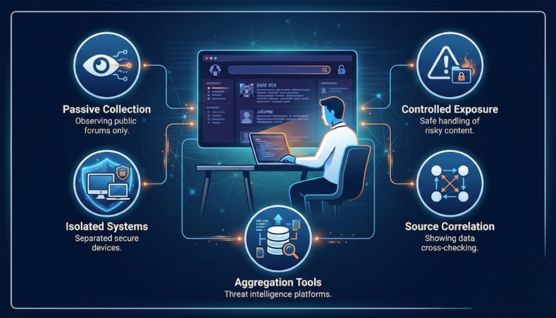
تتمحور المراقبة الاحترافية لمنتديات الويب المظلمة حول المراقبة الخاضعة للرقابة وفصل النظام والتحقق الدقيق، بهدف فهم الأنماط دون أن تصبح جزءًا من البيئة.
تظل الملاحظة مقتصرة على المناقشات المرئية للجمهور دون النشر أو الرد أو بناء حضور. هذا يجعل العمل أقرب إلى التوثيق من المشاركة.
يتم استخدام الأجهزة المخصصة والأجهزة الافتراضية والشبكات المجزأة لمنع التلوث. يقلل الفصل من فرصة الامتداد العرضي للأنظمة الشخصية أو المؤسسية.
يتم التعامل مع المحتوى بطريقة تقلل من الاتصال بالملفات غير المعروفة والروابط والتهديدات المضمنة. الهدف هو تقليل مساحة سطح التشغيل مع الحفاظ على الرؤية.
يتم التحقق من مطالبات المنتدى مقابل عناصر الاستجابة للحوادث والقياس الأمني عن بُعد والتقارير الموثوقة قبل التعامل معها كمؤشرات ذات مغزى. هذا هو المكان الذي تصبح فيه مراقبة الويب المظلمة مفيدة كسياق وليس كدليل.
منصات استخبارات التهديدات وتساعد خطوط التجميع المهيكلة في الحفاظ على المشاركات والجداول الزمنية والعلاقات دون التصفح اليدوي المتكرر. هذا يدعم التتبع طويل المدى للتهديدات السيبرانية دون الاعتماد المفرط على سرد أي منتدى واحد.
غالبًا ما تتم مراجعة الأنشطة من خلال السياسة الداخلية أو المستشار القانوني أو عمليات الامتثال. تحافظ الرقابة على التحصيل بما يتماشى مع حدود الولاية القضائية وتحمل المخاطر التنظيمية.
غالبًا ما يُساء فهم مجتمعات الويب المظلمة بسبب الروايات المبسطة التي تطمس الخط الفاصل بين إخفاء الهوية وعدم الشرعية والسلوك اليومي عبر الإنترنت.
الافتراض الشائع هو أن كل شيء على الويب المظلم إجرامي بطبيعته. في الواقع، تعتمد الشرعية على المحتوى والاستخدام، وليس الشبكة نفسها.
كثيرًا ما يتم التعامل مع الويب المظلم والويب العميق كمصطلحات قابلة للتبديل. تشير شبكة الويب العميقة إلى المحتوى غير المفهرس، بينما تعتمد شبكة الويب المظلمة بشكل خاص على شبكات إخفاء الهوية.
يعتقد الكثيرون أن منتديات الويب المظلمة تظهر وتختفي ككيانات فردية. من الناحية العملية، تستمر المجتمعات من خلال عمليات إعادة العلامات التجارية وعمليات الترحيل والمنصات اللاحقة.
غالبًا ما يُفترض أن منتديات الويب المظلمة موجودة فقط للشراء والبيع. يعمل العديد منها بشكل أساسي كمساحات للمناقشة أو التحقق أو التنسيق.
غالبًا ما يتم الخلط بين إخفاء الهوية والحماية الكاملة. لا تزال الممارسات التشغيلية السيئة تكشف الهوية أو أنماط السلوك أو المخاطر القانونية.
هذه المنتديات ليست بيئات ثابتة أو مستقرة. يتغير النشاط والثقة والأهمية باستمرار استجابة لإجراءات الإنفاذ والديناميكيات الداخلية.
كلاود سيك يوفر مراقبة الويب العميقة والمظلمة من خلال منصة xviGil الخاصة به من خلال المسح المستمر لآلاف المصادر المخفية والمسورة وعالية المخاطر عبر الإنترنت. تشمل التغطية المواقع المظلمة والأسواق ومستودعات التعليمات البرمجية ومنصات مشاركة المستندات ومجموعات بيانات الاختراق الكبيرة وقنوات IRC وصفحات I2P وشبكات Telegram.
تستخدم xviGil نهجًا يعتمد على الأصول وكلمة المرور لربط النشاط السري مباشرة بالبصمة الرقمية للمؤسسة. يسمح ذلك بتحديد بيانات الاعتماد المسربة والبيانات المكشوفة والمحادثات المتعلقة بالتهديدات في مكان واحد مع سياق أعمق وراء كل تهديد إلكتروني تم الإبلاغ عنه.
بالإضافة إلى الاكتشاف، تدعم المنصة الاستجابة الشاملة من خلال التنبيهات القابلة للتنفيذ والتكامل مع أنظمة SIEM و SOAR وإدارة الحوادث وعملية الإزالة المخصصة. ويشمل ذلك عمليات الإزالة المنسقة للتصيد الاحتيالي والنطاقات المخالفة وحسابات الوسائط الاجتماعية المزيفة والتطبيقات غير الرسمية وغيرها من حوادث إساءة استخدام العلامة التجارية، مما يقلل الجهد اليدوي ووقت الاستجابة لفرق الأمان.
