🚀 أصبحت CloudSek أول شركة للأمن السيبراني من أصل هندي تتلقى استثمارات منها
اقرأ المزيد
.avif)

نظرًا لأن المؤسسات تعتمد بشكل متزايد على المعلومات الرقمية للعمل والامتثال والمنافسة، فإن حماية تلك المعلومات تتطلب أكثر من مجرد ضوابط أمنية معزولة. تمتد مخاطر أمن المعلومات الآن إلى الأشخاص والعمليات والتكنولوجيا والأنظمة البيئية التابعة لجهات خارجية، مما يجعل اتباع نهج منظم وقابل للتدقيق أمرًا ضروريًا.
تشرح هذه المقالة ماهية نظام إدارة أمن المعلومات (ISMS) ولماذا تقوم المؤسسات بتطبيقه كجزء أساسي من حوكمة أمن المعلومات. يستكشف غرض وهيكل ISMS ومكوناته الرئيسية ودور إدارة المخاطر في حماية أصول المعلومات. تتناول المقالة أيضًا أفضل الممارسات لتنفيذ ISMS، وكيفية ارتباط ISO 27001 بنظام ISMS وتعزيزه، ولماذا يعد التحسين المستمر أمرًا بالغ الأهمية للحفاظ على الامتثال والنضج الأمني والثقة التنظيمية بمرور الوقت.
ISMS هو إطار رسمي منظم يستخدم لتصميم وتنفيذ وتشغيل ومراقبة وتحسين أمن المعلومات باستمرار داخل المنظمة.
يوفر النظام نهجًا متسقًا وموثقًا لإدارة مخاطر أمن المعلومات. إنه يضمن أن جهود الحماية قابلة للتكرار وقابلة للقياس ومتوافقة مع أهداف العمل بدلاً من الاعتماد على الضوابط المخصصة.
تحدد إدارة أمن المعلومات ماذا يجب حمايتها و لماذا. يحدد نظام إدارة أمن المعلومات كيف يتم تنفيذ الحماية والحفاظ عليها وتحسينها من خلال السياسات والضوابط وآليات الحوكمة الموثقة.
يقوم ISMS بإضفاء الطابع الرسمي على الأمان من خلال:
تدعم هذه البنية المساءلة والاستعداد للتدقيق والامتثال التنظيمي.
تعمل ISMS كدورة مستمرة. تتم إعادة تقييم المخاطر ومراجعة الضوابط وإجراء التحسينات بناءً على الحوادث وعمليات التدقيق والتغيير التنظيمي. وهذا يضمن بقاء الحماية فعالة مع تطور التهديدات والتقنيات واحتياجات الأعمال.
تسمح هذه العناصر معًا لـ ISMS بترجمة النية الأمنية إلى ممارسة مستدامة على مستوى المؤسسة.
يتكون ISMS من مكونات منظمة تعمل معًا لإدارة مخاطر أمن المعلومات بطريقة متسقة وقابلة للتدقيق وقابلة للتكرار.
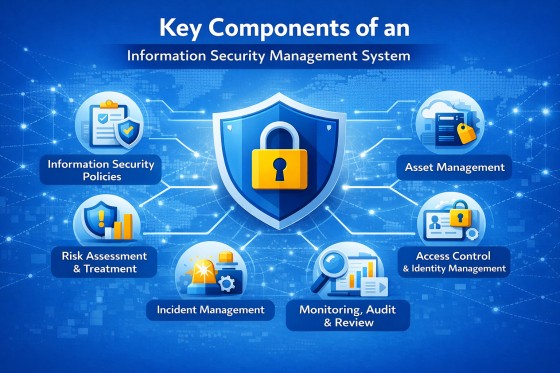
تحدد السياسات الأهداف والمبادئ والتوقعات الأمنية للمؤسسة. إنها تحدد نية الإدارة وتوفر التوجيه لكيفية حماية المعلومات عبر الأعمال.
يحدد تقييم المخاطر التهديدات ونقاط الضعف والتأثير المحتمل على المعلومات. تحدد معالجة المخاطر كيفية تخفيف المخاطر أو قبولها أو نقلها أو تجنبها من خلال الضوابط المناسبة.
يتم تحديد أصول المعلومات وتصنيفها وتخصيص الملكية لها. تضمن إدارة الأصول أن جهود الحماية تتناسب مع قيمة وحساسية المعلومات.
تضمن عناصر التحكم أن المستخدمين والأنظمة المصرح لهم فقط يمكنهم الوصول إلى المعلومات. يتضمن ذلك توفير المستخدم والمصادقة والترخيص ومراجعات الوصول الدورية.
يتم تعريف العمليات لاكتشاف حوادث أمن المعلومات والإبلاغ عنها والاستجابة لها والتعافي منها. إدارة الحوادث تحد من التأثير وتدعم الاستعادة السريعة للعمليات العادية.
تتم مراقبة الضوابط والعمليات بشكل مستمر وتدقيقها بشكل دوري. تقوم المراجعات بتقييم الفعالية وتحديد الثغرات وتقديم أدلة للامتثال والتحسين.
تضمن هذه المكونات معًا أن ISMS يعمل كنظام حي يحافظ على الحماية ويدعم المساءلة ويتكيف مع التغييرات التنظيمية والمخاطر بمرور الوقت.
يتطلب تنفيذ ISMS نهجًا منظمًا قائمًا على المخاطر يعمل على مواءمة أمن المعلومات مع أهداف العمل ويعمل كبرنامج مستمر.
تحدد الإدارة العليا اتجاه ISMS، وتوافق على السياسات، وتعين الملكية الواضحة. تضمن مشاركة القيادة السلطة والموارد والمساءلة في جميع أنحاء المؤسسة.
يحدد النطاق المعلومات والأنظمة والعمليات والمواقع التي تتم تغطيتها. يضمن التوافق مع أهداف العمل والرغبة في المخاطرة أن تظل ISMS عملية وملائمة.
يتم اختيار الضوابط بناءً على المخاطر المقدرة بدلاً من قوائم المراجعة العامة. يضمن هذا النهج تركيز الموارد على حماية أصول المعلومات الأكثر أهمية.
تحدد الوثائق الواضحة كيفية تنفيذ الأمان والحفاظ عليه. تدعم السجلات المتسقة التكرار والمساءلة والاستعداد للتدقيق.
تم تضمين ISMS في الأعمال الحالية وسير عمل تكنولوجيا المعلومات، مثل إدارة التغيير والمشتريات والاستجابة للحوادث، لتجنب الاحتكاك التشغيلي.
يتم استخدام المقاييس والمراجعات والتدقيق الداخلي لتقييم ما إذا كانت الضوابط تعمل على النحو المنشود وتحقيق الأهداف المحددة.
تقوم المراجعات المنتظمة بتقييم الأداء ومعالجة الثغرات وتأكيد استمرار الملاءمة. توفر عمليات التدقيق ضمانًا مستقلاً ومدخلات التحسين.
تؤدي النتائج المستخلصة من الحوادث وعمليات التدقيق والتغييرات في المخاطر إلى التحسين المستمر. يضمن التحسين المستمر تطور ISMS مع التهديدات والتكنولوجيا والتغيير التنظيمي.
تضمن هذه الممارسات بقاء ISMS فعالًا وقابلاً للتدقيق ومتوافقًا مع احتياجات الأعمال بمرور الوقت.
تقوم المؤسسات بتطبيق ISMS لإدارة مخاطر أمن المعلومات بطريقة منظمة وقابلة للتدقيق ومتوافقة مع الأعمال.
يوفر ISMS إطارًا ثابتًا لتحديد وتقييم ومعالجة مخاطر أمن المعلومات بناءً على تأثير الأعمال. وهذا يضمن أن تكون الضوابط متناسبة وموثقة ومركزة على حماية أصول المعلومات الهامة.
تتطلب العديد من اللوائح الحوكمة الرسمية والضوابط الموثقة وإدارة المخاطر المستمرة. تساعد ISMS المؤسسات على تلبية التزامات حماية البيانات والخصوصية والصناعة بطريقة منهجية ويمكن الدفاع عنها.
من خلال توحيد السياسات والأدلة وعمليات المراجعة، يمكّن نظام ISMS المؤسسات من إثبات فعالية الرقابة أثناء عمليات التدقيق الداخلية والتقييمات الخارجية والشهادات مثل ISO 27001.
يدعم ISMS توافر وسلامة المعلومات أثناء الاضطرابات مع تعزيز الثقة بين العملاء والشركاء والمنظمين وأصحاب المصلحة من خلال ممارسات أمنية متسقة وخاضعة للمساءلة.
إدارة المخاطر هي الآلية الأساسية التي من خلالها يقوم نظام إدارة أمن المعلومات بتحديد وتقييم ومعالجة ومراقبة التهديدات التي تتعرض لها المعلومات، مما يضمن بقاء الضوابط متوافقة مع تحمل المخاطر التنظيمية وتأثير الأعمال.
تبدأ إدارة المخاطر داخل ISMS بتحديد المخاطر وتحليلها، حيث يتم تصنيف التهديدات المحتملة ونقاط الضعف والتأثيرات بشكل منهجي.
تؤكد الأدلة الإحصائية على أهمية نهج إدارة المخاطر المنظم. حول 80% من المنظمات التي أبلغت عن زيادة كبيرة في الحوادث الأمنية خلال العام الماضي، إلا أن أقل من النصف شعرت بالاستعداد الكافي لإدارة التهديدات الناشئة، مما يسلط الضوء على التعرض للمخاطر على نطاق واسع والحاجة إلى عمليات المخاطر الرسمية.
بمجرد فهم المخاطر، يتم تحديد أولوياتها بناءً على التأثير والاحتمالية، مما يتيح اتخاذ قرارات معالجة المخاطر مثل التخفيف أو النقل أو القبول أو التجنب. تضمن المعالجة الفعالة للمخاطر تركيز الجهود الأمنية على المخاطر التي يمكن أن تعرض سرية المعلومات أو سلامتها أو توفرها للخطر بشدة.
تعد المراقبة والمراجعة المستمرة أمرًا ضروريًا، حيث تتطور ملفات تعريف المخاطر مع التهديدات والتقنيات الجديدة وتغييرات الأعمال. تساعد عملية إدارة المخاطر القوية المؤسسات على تكييف نظام ISMS الخاص بها بمرور الوقت، والحفاظ على الامتثال للمتطلبات التنظيمية، واتخاذ قرارات مستنيرة توازن بين الأمن والاحتياجات التشغيلية.
ISO 27001 هو المعيار المعترف به دوليًا والذي يحدد متطلبات إنشاء وتنفيذ وصيانة وتحسين نظام إدارة أمن المعلومات (ISMS) باستمرار.
يوفر ISO 27001 إطارًا متسقًا وقابلًا للتدقيق تستخدمه المؤسسات لإظهار نهج منظم وقابل للقياس لأمن المعلومات. تحظى شهادة ISO 27001 باعتراف عالمي وغالبًا ما يتوقعها العملاء والشركاء والمنظمون كدليل على الإدارة الفعالة لمخاطر المعلومات.
نظام إدارة أمن المعلومات المتوافق مع ISO 27001:
تحصل المنظمات المعتمدة على ISO 27001 على فوائد قابلة للقياس:
يضمن نظام ISMS المبني حول ISO 27001 أن أمن المعلومات ليس نشاطًا مخصصًا ولكنه جزء من نظام إدارة منضبط ومقيس ومتطور باستمرار يمكن للمؤسسات قياسه واعتماده وحكمه بثقة.
نظام إدارة أمن المعلومات ليس تطبيقًا لمرة واحدة ولكنه رحلة تحسين مستمرة.
مع تطور العمليات التجارية والتقنيات والتوقعات التنظيمية ومشاهد التهديدات، يجب مراجعة نظام ISMS وتعديله بانتظام. تضمن تقييمات المخاطر المستمرة والتدقيق الداخلي ومراجعات الإدارة والإجراءات التصحيحية أن تظل الضوابط فعالة ومتوافقة مع الأهداف التنظيمية.
إن التعامل مع ISMS كنظام حي يساعد المؤسسات على الحفاظ على الامتثال وتحسين النضج الأمني والحفاظ على المرونة طويلة الأجل وثقة أصحاب المصلحة.
