🚀 أصبحت CloudSek أول شركة للأمن السيبراني من أصل هندي تتلقى استثمارات منها
اقرأ المزيد
.avif)

تعتمد المنظمات الحديثة بشكل كبير على المعلومات للعمل والمنافسة والامتثال للمتطلبات التنظيمية. مع نمو أحجام البيانات وزيادة تعقيد البيئات الرقمية، تتطلب حماية المعلومات أكثر من الضوابط الفنية المعزولة. توفر إدارة أمن المعلومات نهجًا منظمًا قائمًا على المخاطر لحماية المعلومات من خلال الجمع بين الحوكمة والعمليات والضوابط عبر المؤسسة.
علاوة على ذلك، تشرح هذه المقالة ماهية إدارة أمن المعلومات، وكيف تعمل، وما تحميه من خلال CIA Triad. وهي تدرس عناصرها الأساسية، وسبب أهميتها، والتحديات التي تواجهها المنظمات، وكيف يدعم نظام إدارة أمن المعلومات (ISMS) التنفيذ المنظم. تغطي المناقشة أيضًا مكونات ISMS وأفضل الممارسات للتنفيذ والفرق بين إدارة أمن المعلومات والأمن السيبراني وكيف يتطور النضج بمرور الوقت لدعم عمليات التدقيق والتقييمات والمعايير مثل ISO 27001.
إنه نظام قائم على المخاطر على مستوى المؤسسة يحمي المعلومات من خلال إدارة السياسات والعمليات والضوابط والإشراف عبر الأعمال.
يركز النهج على حماية أصول المعلومات طوال دورة حياتها من خلال تحديد المخاطر وتحديد أهداف الأمان وفرض ضوابط متسقة. يتم تطبيق الحماية بشكل منهجي ومتوافقة مع أولويات العمل بدلاً من التعامل معها كمهام فنية معزولة.
وينصب التركيز على الحوكمة والمساءلة، وليس التكنولوجيا فقط. تضمن الأدوار والمسؤوليات وهياكل صنع القرار الواضحة تطبيق التدابير الأمنية باستمرار عبر الأشخاص والعمليات والأنظمة.
تدعم الأدوات التقنية جهود الحماية، لكن الإدارة توفر البنية التي تحدد المعلومات المحمية، وسبب حمايتها، وكيفية استدامة الحماية بمرور الوقت.
وهي تعمل من خلال دورة حياة منظمة قائمة على المخاطر تحمي المعلومات باستمرار وتتكيف مع التغيير.
تبدأ العملية بفهم المعلومات الموجودة وكيفية استخدامها ومكان تعرضها. يتم تقييم المخاطر بناءً على التأثير المحتمل على السرية والنزاهة والتوافر بدلاً من الخطورة التقنية وحدها.
يتم الحفاظ على الحماية من خلال دورة مستمرة:
تضمن الحوكمة الواضحة توثيق القرارات والمساءلة ومواءمتها مع أهداف العمل. تحدد السياسات التوقعات، وتوفر الوثائق إمكانية التتبع، ويضمن الإشراف الاتساق عبر الفرق والأنظمة.
تضمن دورة الحياة المهيكلة هذه أن تظل حماية المعلومات فعالة مع تطور الاحتياجات التنظيمية والتقنيات والتهديدات.
إنه يحمي المعلومات من خلال ضمان السرية والنزاهة والتوافر عبر المؤسسة.
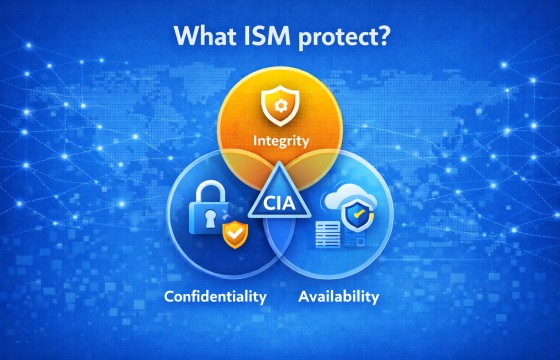
يتم الوصول إلى المعلومات فقط من قبل الأفراد والأنظمة والعمليات المصرح لهم. تمنع عناصر التحكم مثل قيود الوصول والمصادقة وتصنيف البيانات الكشف غير المصرح به. ال 74% رقم الخطأ البشري يتماشى بشكل وثيق مع تقارير مثل Verizon تقرير تحقيقات خرق البيانات (DBIR)، والتي غالبًا ما تنسب 60-80% من انتهاكات العوامل البشرية بما في ذلك سوء التسليم والتكوين الخاطئ والتصيد الاحتيالي.
تظل المعلومات دقيقة وكاملة ومحمية من التعديل أو التدمير غير المصرح به. تضمن العمليات والضوابط تغيير البيانات فقط بالطرق المعتمدة ويمكن اكتشاف الأخطاء أو التلاعب.
يمكن الوصول إلى المعلومات للمستخدمين المصرح لهم عند الحاجة للعمليات التجارية. تضمن التدابير مثل النسخ الاحتياطي والتكرار والاستجابة للحوادث الاستمرارية أثناء حالات الفشل أو الاضطرابات.
هذه المبادئ الثلاثة تشكل ثالوث وكالة المخابرات المركزية، الذي يعد بمثابة النموذج التأسيسي لأمن المعلومات. تم تصميم جميع السياسات والضوابط وقرارات المخاطر للحفاظ على واحدة أو أكثر من هذه الخصائص الأساسية.
وهي مبنية على مجموعة من العناصر المترابطة التي تعمل معًا لضمان أن تكون حماية المعلومات متسقة وقابلة للقياس ومستدامة في جميع أنحاء المؤسسة.
تضمن الأدوار والمسؤوليات والمساءلة المحددة فهم الأفراد لكيفية التعامل مع المعلومات بأمان. يقلل الوعي والتدريب من الأخطاء البشرية ويعززان السلوك الأمني المتوقع.
تحدد السياسات والإجراءات والمعايير وعمليات سير العمل كيفية حماية المعلومات في العمليات اليومية. تضمن العمليات المحددة جيدًا تطبيق ضوابط الأمان باستمرار وبشكل متكرر.
تدعم أدوات وضوابط الأمان جهود الحماية من خلال فرض قيود الوصول ومراقبة النشاط واكتشاف الحوادث. تتيح التكنولوجيا التوسع ولكنها تعمل ضمن سياسات وعمليات محددة.
تقوم هياكل الرقابة بتوجيه عملية صنع القرار والموافقة على السياسات وضمان التوافق مع أهداف العمل. تقوم الحوكمة بتعيين الملكية وضمان المساءلة على المستويات التنظيمية.
يتم تحديد المخاطر على المعلومات وتقييمها ومعالجتها بناءً على التأثير والاحتمالية. وهذا يضمن أن تكون الضوابط متناسبة ومركزة على الأمور الأكثر أهمية للمؤسسة.
تؤدي المراجعات وعمليات التدقيق والقياسات المنتظمة إلى التحسين المستمر. يتم استخدام الدروس المستفادة من الحوادث والتقييمات والتغيرات في البيئة لتعزيز الحماية بمرور الوقت.
تضمن هذه العناصر معًا إدارة أمن المعلومات كنظام تنظيمي مستمر بدلاً من التنفيذ الفني لمرة واحدة.
وهذا أمر مهم لأن حماية المعلومات تؤثر بشكل مباشر على استمرارية الأعمال والامتثال والاستقرار المالي والثقة التنظيمية، بينما يظل التنفيذ معقدًا وكثيفًا للموارد.
يعكس هذا الادعاء نتائج العديد من دراسات الأمن السيبراني للقوى العاملة (على سبيل المثال، تقارير Proofpoint و (ISC) ² و KnowBe4 و IBM)، ولكن الرقم 18٪ يتطلب الإسناد إلى دراسة محددة وسنة للمحاذاة الكاملة.
تعمل هذه العوامل معًا على تعزيز الحاجة إلى إدارة أمن المعلومات كملف الانضباط التنظيمي المنظم والمستمر والقائم على المخاطر بدلا من مبادرة لمرة واحدة.
هنا هو نسخة جدولية واضحة وقابلة للاستخراج من إدارة أمن المعلومات مقابل الأمن السيبراني، محسّنة لسهولة القراءة وبرامج زحف البحث.
الوجبات الجاهزة: تحدد إدارة أمن المعلومات الاتجاه الاستراتيجي والحوكمة لحماية المعلومات، بينما يوفر الأمن السيبراني الضوابط والإجراءات الفنية التي تفرض تلك القرارات عمليًا.
يشير نضج إدارة أمن المعلومات إلى مدى جودة هيكلة المؤسسة وتشغيلها وتحسين نهجها لإدارة مخاطر أمن المعلومات.
يتطور النضج عادةً من الممارسات الأولية والتفاعلية، إلى الضوابط المحددة والموثقة، ثم إلى البرامج المُدارة والمقيسة، وأخيرًا إلى الأمان الأمثل المتكامل مع إدارة مخاطر الأعمال والمؤسسات. تساعد هذه النظرة الموجزة للنضج المؤسسات على قياس حالتها الحالية وتوجيه جهود التحسين ودعم الاستعداد لعمليات التدقيق والتقييمات والمعايير مثل ISO 27001.
