🚀 أصبحت CloudSek أول شركة للأمن السيبراني من أصل هندي تتلقى استثمارات منها
اقرأ المزيد
.avif)

الوجبات السريعة الرئيسية:
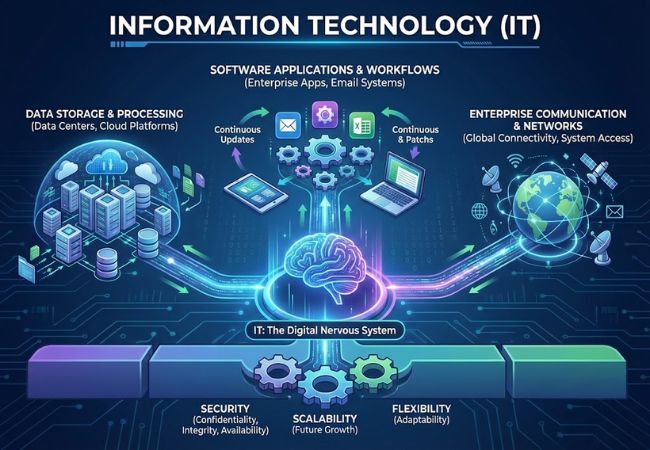
تقنية المعلومات هي الوظيفة التي تدير البيانات الرقمية وتطبيقات البرامج وشبكات المؤسسات المستخدمة في بيئات الأعمال. إنها تمكن المؤسسات من تخزين المعلومات وتشغيل التطبيقات ودعم الاتصالات عبر الأنظمة الرقمية.
تعتمد مكاتب المؤسسات ومراكز البيانات والبيئات السحابية على تكنولوجيا المعلومات للتعامل مع معالجة البيانات والوصول إلى النظام وسير العمل الداخلي. تشكل الخوادم وقواعد البيانات وتطبيقات المؤسسات وأنظمة البريد الإلكتروني والمنصات السحابية القاعدة التشغيلية لهذه البيئات.
يشكل الأمان وقابلية التوسع والمرونة كيفية عمل أنظمة تكنولوجيا المعلومات عمليًا. من المتوقع إجراء تحديثات وتصحيحات وتغييرات منتظمة في النظام، بهدف أساسي هو حماية سرية البيانات وتكاملها وتوافرها بدلاً من التحكم في العمليات المادية.
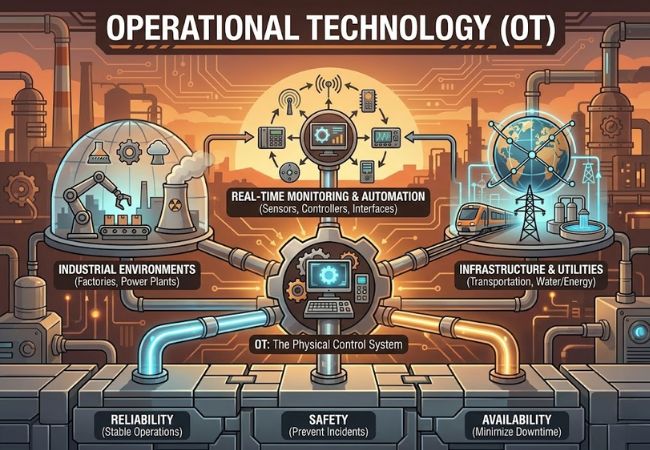
التكنولوجيا التشغيلية هي التكنولوجيا المستخدمة لمراقبة المعدات المادية والعمليات الصناعية والتحكم فيها وأتمتتها. إنها تحكم كيفية عمل الآلات وخطوط الإنتاج والمرافق والبنية التحتية في الوقت الفعلي.
تعتمد البيئات الصناعية مثل المصانع ومحطات الطاقة وأنظمة النقل والمرافق على OT للحفاظ على استقرار العمليات وإمكانية التنبؤ بها. تعمل أنظمة مثل أنظمة التحكم الصناعية وأجهزة الاستشعار وأجهزة التحكم وواجهات المشغل معًا لإدارة النتائج المادية بدلاً من المعلومات الرقمية.
تحدد الموثوقية والسلامة كيفية تصميم أنظمة OT وصيانتها. يتم إدخال التغييرات بحذر، ويتم التحكم في وقت التعطل بإحكام، ويتم إعطاء الأولوية لتوافر النظام لأن الأعطال يمكن أن تؤدي إلى فقدان الإنتاج أو تلف المعدات أو حوادث السلامة.
تختلف أنظمة تكنولوجيا المعلومات وتقنيات التشغيل التشغيلي في ما تعمل عليه، وأين يتم نشرها، وكيفية تأثيرها المباشر على النتائج المادية.
تتعامل أنظمة تكنولوجيا المعلومات مع المعلومات الرقمية مثل بيانات الأعمال والتطبيقات ووصول المستخدم عبر عمليات المؤسسة. تتحكم أنظمة OT في الآلات وعمليات الإنتاج والمعدات التي تشكل النشاط البدني في البيئات الصناعية.
تشكل مكاتب الشركات ومراكز البيانات والمنصات السحابية البيئة الأساسية لأنظمة تكنولوجيا المعلومات، حيث تظل الظروف قابلة للتنبؤ وتتم إدارتها رقميًا. تحدد المواقع الصناعية مثل المصانع والمصانع ومرافق البنية التحتية بيئات التكنولوجيا التشغيلية، حيث تتفاعل الأنظمة باستمرار مع المتغيرات المادية.
عادةً ما تؤدي حالات فشل نظام تكنولوجيا المعلومات إلى انقطاع الخدمة أو تأخير سير العمل أو عدم إمكانية الوصول المؤقت إلى البيانات. غالبًا ما يؤدي فشل نظام OT إلى تعطيل الإنتاج أو إتلاف المعدات أو التسبب في مخاطر السلامة والتشغيل.
تحدث تحديثات البرامج وتغييرات التكوين بانتظام داخل بيئات تكنولوجيا المعلومات كجزء من الصيانة الروتينية. تركز بيئات OT على الاستقرار وتحد من التغييرات وتتطلب تنسيقًا دقيقًا قبل أي تعديل للنظام.
تصبح الاختلافات الرئيسية بين أنظمة تكنولوجيا المعلومات وأنظمة OT واضحة عند مقارنة الغرض منها وتحمل المخاطر ودورة الحياة والأولويات التشغيلية جنبًا إلى جنب.
يختلف الأمن السيبراني بين تكنولوجيا المعلومات والتقنيات التشغيلية لأن كل منهما يحمي نوعًا مختلفًا من الأصول ويواجه نوعًا مختلفًا من المخاطر.
يركز الأمن السيبراني لتكنولوجيا المعلومات على تأمين الأصول الرقمية مثل البيانات والتطبيقات ووصول المستخدم. تهدد الانتهاكات في المقام الأول السرية وسلامة النظام واستمرارية الأعمال.
يركز الأمن السيبراني لـ OT على الحفاظ على استقرار العمليات المادية وأمانها أثناء الظروف العادية وغير الطبيعية. يمكن أن تؤثر الأعطال الأمنية على الآلات أو مخرجات الإنتاج أو موثوقية البنية التحتية أو سلامة الإنسان.
تسمح بيئات تقنية المعلومات بإجراءات الاستجابة السريعة مثل عزل النظام أو نشر التصحيح أو إيقاف تشغيل الخدمة. تتطلب بيئات التكنولوجيا التشغيلية استجابات مُقاسة، نظرًا لأن الإجراءات الأمنية المفاجئة يمكن أن تعطل العمليات المادية.
يعتمد أمن تكنولوجيا المعلومات عادةً على التحديثات المتكررة وحماية نقطة النهاية وعناصر التحكم في الهوية. يركز أمان OT على تجزئة الشبكة والمراقبة المستمرة والحد الأدنى من تداخل النظام.
إن الفرق بين تكنولوجيا المعلومات والتكنولوجيا التشغيلية مهم اليوم لأن الأنظمة الرقمية والعمليات المادية ترتبط بشكل متزايد، مما يجعل الأخطاء أكثر تكلفة والمخاطر أكثر صعوبة في احتوائها.
تعتمد المؤسسات الحديثة على العمليات غير المنقطعة، حيث لم تعد حالات الفشل معزولة داخل نظام واحد. يمكن أن يؤدي الخلط بين ممارسات تكنولوجيا المعلومات ومتطلبات OT إلى حدوث اضطرابات تؤثر على الإنتاج أو البنية التحتية أو السلامة العامة.
أدى الاتصال الموسع إلى زيادة سطح الهجوم لكل من البيئات الرقمية والصناعية. يمكن أن تؤدي الحوادث الأمنية التي كانت تؤدي في السابق إلى فقدان البيانات فقط إلى حدوث أضرار مادية أو إيقاف تشغيل تشغيلي.
تنطوي الانقطاعات التشغيلية الآن على عواقب مالية وتنظيمية ومسيئة للسمعة في نفس الوقت. يساعد الفصل الواضح بين مسؤوليات تقنية المعلومات والتقنيات التشغيلية المؤسسات على إدارة المخاطر دون إبطاء الابتكار.
تستمر الأتمتة والمراقبة عن بُعد والعمليات القائمة على البيانات في طمس الحدود التقليدية. إن فهم كيفية اختلاف تكنولوجيا المعلومات والتشغيل التشغيلي يسمح للمؤسسات بدمج الأنظمة دون التضحية بالموثوقية أو السلامة.
يشير تقارب تكنولوجيا المعلومات/OT إلى تكامل أنظمة تكنولوجيا المعلومات في المؤسسات مع أنظمة OT التشغيلية لمشاركة البيانات وتحسين الرؤية وتنسيق عملية صنع القرار عبر العمليات الرقمية والمادية.
تتم مشاركة البيانات التشغيلية الناتجة عن الآلات والأنظمة الصناعية بشكل متزايد مع منصات الأعمال للتحليل وإعداد التقارير. تسمح هذه الرؤية للمؤسسات بتتبع الأداء وتحديد أوجه القصور والاستجابة بشكل أسرع للتغييرات التشغيلية.
تتيح بيئات تكنولوجيا المعلومات وتقنيات التشغيل التشغيلية المتصلة تنسيقًا أفضل بين أنظمة التخطيط وأنظمة الإنتاج. تساعد الرؤى في الوقت الفعلي على تقليل وقت التعطل وتحسين الموارد ومواءمة العمليات مع أهداف الأعمال.
أدى الاتصال الصناعي والمنصات السحابية والتحليلات المتقدمة إلى تسريع التقارب عبر القطاعات. تقنيات مثل إنترنت الأشياء الصناعي ومنصات التشغيل الآلي وأدوات المراقبة عن بُعد تجعل التكامل أكثر عملية وقابلية للتطوير.
تؤدي زيادة الاتصال أيضًا إلى زيادة التعرض للمخاطر السيبرانية والتشغيلية. يتطلب التقارب إدارة دقيقة لضمان عدم المساس بالوصول الرقمي باستقرار النظام أو سلامته أو موثوقيته.
تعتمد العديد من الصناعات على مزيج من أنظمة تكنولوجيا المعلومات والتكنولوجيا التشغيلية لإدارة العمليات الرقمية مع الحفاظ على التحكم في العمليات المادية.
يتم تشغيل تخطيط الإنتاج وإدارة المخزون والتحليلات على أنظمة تكنولوجيا المعلومات، بينما تعمل خطوط التجميع والروبوتات وأنظمة التحكم من خلال OT. يحافظ التنسيق بين كلا المجالين على كفاءة الإنتاج دون المساس بالسلامة.
تقوم أنظمة تكنولوجيا المعلومات بإدارة سجلات المرضى والجدولة وبيانات التشخيص وسير العمل الإداري عبر مؤسسات الرعاية الصحية. تعمل أنظمة OT على تشغيل الأجهزة الطبية ومعدات التصوير وأنظمة المرافق حيث تؤثر الموثوقية والدقة على سلامة المرضى.
تدعم أنظمة تكنولوجيا المعلومات الفواتير والتنبؤ وتحليلات الشبكة عبر مزودي الطاقة. تقوم أنظمة OT بإدارة توليد الطاقة ونقلها وتوزيعها حيث يكون الاستقرار ووقت التشغيل أمرًا بالغ الأهمية.
تعتمد المنصات اللوجستية وأنظمة الجدولة وخدمات الركاب على البنية التحتية لتكنولوجيا المعلومات. تتحكم أنظمة OT في إرسال الإشارات وعمليات المركبات وإدارة حركة المرور عبر شبكات السكك الحديدية والجوية والطرق.
تعتمد بيانات الاستكشاف والتخطيط التشغيلي وتقارير الامتثال على أنظمة تكنولوجيا المعلومات. تعتمد عمليات الحفر وخطوط الأنابيب وعمليات التكرير على OT للتشغيل المستمر والآمن.
تدعم تقنية المعلومات المراقبة وإعداد التقارير والوظائف الإدارية عبر البنية التحتية العامة. تتحكم أنظمة OT في معالجة المياه وإدارة النفايات والخدمات الأساسية حيث تؤثر الأعطال على السلامة العامة.
يعود الفرق بين تكنولوجيا المعلومات والتكنولوجيا التشغيلية إلى إدارة المعلومات الرقمية مقابل التحكم في العمليات المادية. يعمل كل مجال وفقًا لأولويات متميزة تتشكل من خلال المخاطر والموثوقية والبيئة.
ومع توسع الاتصال عبر الصناعات، تتقاطع الأنظمة الرقمية والأنظمة التشغيلية بشكل متزايد. هذا التحول يجعل من الضروري التعرف على الأماكن التي تنطبق فيها ممارسات تكنولوجيا المعلومات وأين يجب أن تكون للقيود التشغيلية الأسبقية.
يعتمد التكامل الفعال على احترام الدور الفريد لكل مجال بدلاً من مزجها دون تحكم. إن المؤسسات التي تعمل على مواءمة الكفاءة الرقمية مع السلامة التشغيلية مجهزة بشكل أفضل لتقليل المخاطر والحفاظ على الموثوقية على المدى الطويل.
OT ليست جزءًا من تكنولوجيا المعلومات وتعمل كمجال تقني منفصل بأولويات مختلفة. تقوم تقنية المعلومات بإدارة المعلومات والأنظمة الرقمية، بينما تتحكم OT في العمليات المادية والمعدات.
يمكن أن تؤدي العديد من إجراءات أمان تكنولوجيا المعلومات إلى مقاطعة العمليات عند تطبيقها على الأنظمة الصناعية. تتطلب بيئات التشغيل التشغيلي عناصر تحكم أمنية تحافظ على استقرار النظام وسلامته وتشغيله المستمر.
تم عزل أنظمة OT تقليديًا عن الشبكات الخارجية. لقد أدت زيادة الاتصال إلى تغيير هذا، ولكن لا يزال الوصول خاضعًا للتحكم بإحكام بسبب المخاطر التشغيلية.
تواجه كل من تكنولوجيا المعلومات والتقنيات التشغيلية مخاطر إلكترونية، ولكن حوادث التكنولوجيا التشغيلية غالبًا ما تكون لها عواقب جسدية وأمنية أكبر. يمكن أن يؤدي هجوم واحد إلى تعطيل الإنتاج أو البنية التحتية أو الخدمات الأساسية.
تظل تكنولوجيا المعلومات والتقنية التشغيلية مجالات متميزة بمسؤوليات مختلفة. يتزايد التكامل، لكن الفصل لا يزال ضروريًا لحماية الموثوقية والسلامة التشغيلية.
