🚀 أصبحت CloudSek أول شركة للأمن السيبراني من أصل هندي تتلقى استثمارات منها
اقرأ المزيد
.avif)

الوجبات السريعة الرئيسية:
تواجه البلدان ذات النظم البيئية الرقمية المتقدمة المزيد من الهجمات لأن اقتصاداتها تعتمد بشكل كبير على الخدمات السحابية وأنظمة إنترنت الأشياء والعمليات عبر الإنترنت. تعمل هذه البيئات على توسيع سطح الهجوم بشكل كبير.
كما يعطي مجرمو الإنترنت الأولوية للدول ذات الناتج المحلي الإجمالي المرتفع والتأثير العالمي القوي وشبكات الشركات الكثيفة، مما يزيد من الحوافز المالية والتجسس.
أظهرت بيانات عام 2025 من وكالات الإنترنت الكبرى باستمرار وجود علاقة قوية بين النضج الرقمي والمشاركة الجيوسياسية وتكرار الهجمات الإلكترونية.
تطورت الجرائم الإلكترونية بشكل حاد من خلال دمج الذكاء الاصطناعي في التصيد الاحتيالي والتشويش على البرامج الضارة والمسح الآلي للثغرات الأمنية. قام المهاجمون بتوسيع نطاق العمليات بشكل أسرع وبدقة أكبر.
تحولت مجموعات برامج الفدية إلى أساليب الابتزاز المتعدد، في حين زادت هجمات سلسلة التوريد بسبب موردي الطرف الثالث المخترقين. كما ارتفعت عمليات الاستغلال في يوم الصفر حيث قام المهاجمون بتسليح عيوب البرامج غير المصححة.
وبالمقارنة مع عام 2023، زادت أحجام الاختراقات العالمية في كل منطقة، حيث سجلت APAC أعلى زيادة بسبب التبني الرقمي السريع وإنفاذ الأمن السيبراني غير المتسق.
زاد تطور الهجوم بشكل كبير حيث قام الخصوم بدمج الذكاء الاصطناعي في مراحل الاستطلاع وانتحال الشخصية والتسلل. أدى ذلك إلى المزيد من محاولات الاختراق الناجحة.
ارتفعت الخسائر المالية على مستوى العالم، وزاد عدد حوادث برامج الفدية المبلغ عنها في جميع القطاعات تقريبًا. أصبح حل وسط سلسلة التوريد ناقلًا رئيسيًا للهجوم.
يشير هذا التحول السنوي إلى الحاجة إلى أتمتة دفاعية أقوى وأمان متعدد الطبقات مع استعداد المؤسسات لعام 2026.
شهدت البلدان التي تتصدر هذه القائمة نشاطًا إلكترونيًا مستدامًا بسبب تقدمها التكنولوجي وحجمها الاقتصادي وأهميتها الجيوسياسية الاستراتيجية. واجهت المؤسسات في هذه المناطق تهديدات مستمرة من مجموعات برامج الفدية والجهات الفاعلة في مجال التجسس ومجرمي الإنترنت ذوي الدوافع المالية.
تختلف أحجام الحوادث حسب سياسة الإفصاح وشفافية التقارير، مما يعني أن الأرقام المبلغ عنها لا تعكس دائمًا النطاق الكامل لمحاولات الهجمات.
ظلت الولايات المتحدة الدولة الأكثر استهدافًا في عام 2025، ويرجع ذلك إلى حد كبير إلى بنيتها التحتية الرقمية الواسعة وتركيز الخدمات الحيوية. استهدفت مجموعات برامج الفدية الرئيسية مثل LockBit و Black Basta و Royal بشكل متكرر المؤسسات المالية ومقدمي الرعاية الصحية والوكالات الفيدرالية.
على مدار العام، سجلت الولايات المتحدة 31,020 حادثة إلكترونية تم الإبلاغ عنها، وهي أعلى نسبة على مستوى العالم. ويعكس هذا جزئيًا مساحة الهجوم الواسعة في البلاد، فضلاً عن المتطلبات الصارمة للإبلاغ عن الانتهاكات. تأثرت أنظمة الرعاية الصحية بشكل خاص، حيث واجهت العديد من شبكات المستشفيات انقطاعات مرتبطة ببرامج الفدية واضطرابات تشغيلية.
استمرت المملكة المتحدة في مواجهة حملات التصيد الاحتيالي وبرامج الفدية وسرقة بيانات الاعتماد المستمرة، خاصة في قطاعات البنوك والاتصالات والتجزئة. ظلت عمليات التهيئة الخاطئة للسحابة وعمليات تكامل الجهات الخارجية المكشوفة نقاط دخول شائعة للمهاجمين.
في عام 2025، أبلغت المملكة المتحدة عن 2622 حادثة إلكترونية، وهو حجم ثابت يتماشى مع بيئتها التنظيمية الناضجة وآليات الإبلاغ المركزية. أكدت العديد من الانتهاكات المتعلقة بالاتصالات خلال العام المخاطر المستمرة المرتبطة بالتبعية المعقدة لسلسلة التوريد.
شهدت كندا استهدافًا متزايدًا لمؤسسات الرعاية الصحية والتعليم والطاقة، مدفوعًا بشكل أساسي بعمليات برامج الفدية ذات الدوافع المالية. كما ساهمت مواءمتها التشغيلية والتكنولوجية الوثيقة مع الشبكات الأمريكية في مخاطر الانتشار عبر الحدود.
تُظهر بيانات الحوادث 2581 حالة تم الإبلاغ عنها في كندا، مما يعكس عن كثب اتجاهات التهديد الأوسع في أمريكا الشمالية. وظلت أنظمة الرعاية الصحية عرضة للخطر بشكل خاص، حيث أبلغت شبكات المقاطعات عن انقطاع الخدمة في أعقاب هجمات برامج الفدية على الأنظمة السريرية والإدارية.
ظلت ألمانيا هدفًا ذا قيمة عالية نظرًا لصناعاتها التصنيعية والسيارات والهندسية ذات الأهمية العالمية. ركزت مجموعات التهديد المستمر المتقدم (APT) باستمرار على التجسس الصناعي وتسوية سلسلة التوريد.
سجلت الدولة 7144 حادثة إلكترونية في عام 2025، مما يعكس المحاولات المستمرة للوصول إلى بيانات التصميم الخاصة وأنظمة الإنتاج وبيئات البحث. كان موردو السيارات من بين الكيانات الأكثر استهدافًا.
استمرت أستراليا في مواجهة الضغط السيبراني عبر المنصات الحكومية ومقدمي الاتصالات والشبكات اللوجستية. ساهم الاعتماد السريع للسحابة في كل من القطاعين العام والخاص في عمليات التهيئة الخاطئة التي سارع المهاجمون إلى استغلالها.
كشفت العديد من خدمات الهوية الرقمية والتحقق الوطنية عن حوادث الوصول غير المصرح بها خلال عام 2025، مما يسلط الضوء على المخاطر المرتبطة بأنظمة البيانات المركزية والبنية التحتية للهوية واسعة النطاق.
شهدت الهند ارتفاعًا حادًا في النشاط السيبراني مع توسع المدفوعات الرقمية والخدمات المصرفية عبر الإنترنت ومنصات القطاع العام عبر قاعدة مستخدميها الضخمة. ظلت هجمات التصيد الاحتيالي وحشو بيانات الاعتماد كبيرة الحجم مستمرة على مدار العام.
في المجموع، تم الإبلاغ عن 13883 حادثة في الهند، مما يعكس الاعتماد الرقمي السريع وتحسين ممارسات الكشف والإبلاغ. كانت منصات التكنولوجيا المالية أهدافًا متكررة، لا سيما في حالة وجود ضوابط مصادقة ضعيفة.
استمرت الوكالات الحكومية اليابانية وشركات تصنيع التكنولوجيا الكبرى في مواجهة الاختراقات القائمة على التجسس. غالبًا ما استفاد المهاجمون من الموردين المخترقين ومقدمي الخدمات المُدارة للوصول الأولي إلى شبكات المؤسسات.
كشفت العديد من شركات التصنيع عن انتهاكات مرتبطة بتسويات البائعين الخارجيين، مما يعزز المخاوف المستمرة بشأن أمن سلسلة التوريد في البيئات الصناعية المترابطة للغاية.
شهدت كوريا الجنوبية تصعيدًا في الهجمات الإلكترونية مدفوعة بالتوترات الجيوسياسية الإقليمية واقتصادها الرقمي للغاية. كانت المؤسسات المالية ومشغلي الاتصالات ومقاولي الدفاع أهدافًا متكررة لكل من الجهات الإجرامية والمرتبطة بالدولة.
في أوائل عام 2025، أدت حملات DDoS المنسقة إلى تعطيل الخدمات المصرفية عبر الإنترنت مؤقتًا، مما يدل على نية المهاجمين للتدخل في البنية التحتية الرقمية الوطنية الأساسية.
شهدت فرنسا نشاطًا إلكترونيًا متزايدًا يستهدف البوابات الحكومية والمؤسسات المالية والمؤسسات الإعلامية الكبرى. تكثفت حملات الهاكتيفيست خلال الفترات الحساسة سياسيًا، وغالبًا ما تهدف إلى تعطيل الخدمات العامة.
سجلت البلاد 7622 حادثة تم الإبلاغ عنها في عام 2025. أبلغت العديد من منصات الخدمة العامة عن فترات توقف في أعقاب هجمات DDoS المستمرة، مما يعكس الضغط المستمر على البنية التحتية الرقمية الوطنية.
وظلت الإمارات العربية المتحدة والمملكة العربية السعودية أهدافًا جذابة نظرًا لدورهما المركزي في أسواق الطاقة العالمية والاستثمار السريع في مبادرات المدن الذكية والتحول الرقمي. ركز المهاجمون بشكل كبير على الطاقة والتمويل والمنصات المرتبطة بالحكومة.
سلطت تقارير قطاع الطاقة خلال عام 2025 الضوء على المحاولات المتكررة للوصول إلى بيئات التكنولوجيا التشغيلية، مما يؤكد الاهتمام المستمر من مجموعات التهديد الموجهة نحو التجسس والتخريب.
بالإضافة إلى البلدان المذكورة أعلاه، تم تسجيل أحجام الحوادث البارزة أيضًا في إسرائيل (12,563) وإندونيسيا (9,486) وتايلاند (4,109) وأوكرانيا (2,649) وعبر منطقة الاتحاد الأوروبي (2,295). في حين تتم مناقشة هذه البلدان بشكل أقل تكرارًا، تظهر البيانات أنها لا تزال تواجه نشاطًا إلكترونيًا ثابتًا جنبًا إلى جنب مع الأهداف الأكثر شيوعًا.
في حين تباينت أحجام الهجمات الإجمالية حسب الدولة، سيطرت حملات القرصنة وعمليات برامج الفدية على النشاط السيبراني العالمي في عام 2025. اتبع كل نوع من أنواع الهجمات نمطًا جغرافيًا متميزًا شكله السياق السياسي والحوافز الاقتصادية وممارسات الإفصاح.
كانت هجمات الهاكتيفيست أكثر بروزًا في المناطق التي تعاني من التوتر الجيوسياسي أو الاضطرابات الداخلية، حيث كان الاضطراب والرؤية العامة في كثير من الأحيان الأهداف الأساسية. استهدفت هذه الحملات بشكل متكرر البوابات الحكومية والمنصات الإعلامية والبنية التحتية الرقمية الرمزية على المستوى الوطني.
تم الإبلاغ عن أعلى عدد من ناشطي القرصنة في إسرائيل (12,563)، تليها الولايات المتحدة (11,597) والهند (8,947). كما تم تسجيل نشاط كبير في إندونيسيا (7,040) وتايلاند (4,109) وألمانيا (3,148) وفرنسا (3,023) وأوكرانيا (2,649) وفيتنام (2,558).
ظل نشاط برامج الفدية في عام 2025 مركزًا بشكل كبير في الاقتصادات ذات الدخل المرتفع، حيث أدى التعطل التشغيلي وفقدان البيانات وتعطيل الخدمة إلى عواقب مالية فورية. استمر المهاجمون في إعطاء الأولوية للمؤسسات التي تعتمد على العمليات الرقمية غير المنقطعة وبيئات تكنولوجيا المعلومات المعقدة.
سجلت الولايات المتحدة أعلى حجم من برامج الفدية حيث سجلت 3,229 حادثة، تليها كندا (317) وألمانيا (259) والمملكة المتحدة (236). تم توثيق نشاط إضافي لبرامج الفدية في فرنسا (157) وإيطاليا (129) والبرازيل (119) وإسبانيا (117) وأستراليا (116) والهند (110).
يختار مجرمو الإنترنت هذه المناطق لأنها تحتوي على بيانات مالية قيمة وبنية تحتية متقدمة وصناعات ذات تأثير عالمي. توفر هذه العوامل مكافآت عالية بتكلفة تشغيلية منخفضة نسبيًا.
تستهدف الجهات الفاعلة من الدولة القومية القطاعات الاستراتيجية لاكتساب الذكاء والميزة السياسية. يستمر التحول الرقمي في زيادة عدد نقاط الدخول القابلة للاستغلال.
واجه القطاع المالي أعلى المخاطر لأن المهاجمين سعوا لتحقيق مكاسب نقدية مباشرة والوصول إلى بيانات الحساب الحساسة. كانت البنوك وأنظمة الدفع أهدافًا متكررة.
تعرضت أنظمة الرعاية الصحية للهجوم لأن التكنولوجيا القديمة والأجهزة الطبية المترابطة خلقت فجوات أمنية. تم استهداف أنظمة الحكومة والتصنيع والطاقة نظرًا لأهميتها التشغيلية.
تؤثر البلدان ذات الوحدات السيبرانية المتقدمة على اتجاهات الجرائم الإلكترونية العالمية من خلال القدرات الهجومية المتطورة. غالبًا ما تشكل هذه الدول التقنيات المستخدمة في الهجمات الحديثة.
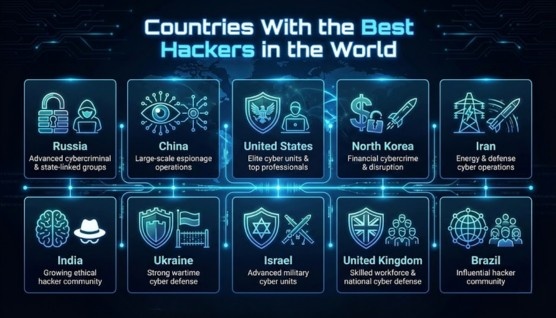
تشتهر روسيا بمجموعات المجرمين الإلكترونيين المتقدمة والوحدات المرتبطة بالدولة مثل APT28. تقوم هذه المجموعات بحملات التجسس وبرامج الفدية وتعطيل البنية التحتية.
تدير الصين برامج تجسس إلكتروني واسعة النطاق تدعمها مجموعات مثل APT41. تستهدف هذه الجهات الفاعلة الملكية الفكرية والاستخبارات الجيوسياسية.
تنتج الولايات المتحدة العديد من أقوى محترفي الأمن السيبراني في العالم. تحافظ وكالات مثل NSA TAO على عمليات هجومية قوية.
تشتهر مجموعة Lazarus في كوريا الشمالية بجرائم الإنترنت المالية واسعة النطاق والهجمات التخريبية. تساعد هذه العمليات في توليد الإيرادات الوطنية.
تقوم مجموعات مثل APT33 بإجراء عمليات إلكترونية تستهدف قطاعات الطاقة والدفاع والحكومة. غالبًا ما تتوافق هذه الحملات مع المصالح الجيوسياسية.
الهند لديها مجموعة متزايدة من المتسللين الأخلاقيين والباحثين المتقدمين. يساهم هؤلاء الخبراء في كل من القدرات السيبرانية الدفاعية والهجومية.
عززت أوكرانيا قدراتها السيبرانية بسبب الصراع المستمر. لقد طور المدافعون والمتسللون خبرة كبيرة في الحرب الرقمية.
تقود إسرائيل ابتكارات الأمن السيبراني بسبب برامج التدريب العسكري القوية والوحدات السيبرانية المتقدمة. تنشأ العديد من شركات الأمن السيبراني العالمية من هذا النظام البيئي.
تحتفظ المملكة المتحدة بقوة عاملة ذات مهارات عالية في مجال الأمن السيبراني بدعم من GCHQ والمركز الوطني للأمن السيبراني. يساهم المتسللون الأخلاقيون بشكل كبير في الدفاع الوطني.
يتمتع مجتمع القراصنة في البرازيل بالمهارات التكنولوجية والتأثير المتزايد. تساهم مجموعات الجرائم الإلكترونية في المنطقة في اتجاهات الهجوم العالمية.
يمكن للبلدان الحد من التعرض للجرائم الإلكترونية من خلال اعتماد نماذج أمنية خالية من الثقة، وتحسين عمليات إدارة التصحيح، والاستثمار في أنظمة الكشف الآلي عن التهديدات. يمكن للأدوات الدفاعية الحديثة تحديد النشاط المشبوه قبل تصعيده.
يجب أن تتعاون المنظمات العامة والخاصة في تبادل معلومات التهديدات. كما يساعد التدريب المنتظم على الأمن السيبراني ومعايير التشفير القوية على منع الانتهاكات.
شهدت الولايات المتحدة أكبر عدد من الهجمات بسبب قوتها الاقتصادية وبنيتها التحتية الرقمية الواسعة. اجتذبت قطاعاتها الحيوية كلاً من الجهات الفاعلة الإجرامية والدولة القومية.
نما التصيد الاحتيالي المعزز بالذكاء الاصطناعي بسرعة حيث استخدم المهاجمون الأتمتة لتوليد رسائل مقنعة. كما توسعت برامج الفدية متعددة الابتزاز بشكل كبير.
يستخدم المهاجمون أدوات متقدمة تعمل على تسريع أساليب الاختراق. يوفر التوسع الرقمي المزيد من فرص الاستغلال.
يواجه التمويل والرعاية الصحية والحكومة والطاقة أعلى المخاطر بسبب البيانات الحساسة والأهمية التشغيلية. تظل هذه القطاعات أهدافًا عالية القيمة.
نعم. تتوقع وكالات استخبارات التهديدات المزيد من الهجمات التي يحركها الذكاء الاصطناعي وزيادة استغلال نقاط الضعف في سلسلة التوريد. يجب على المنظمات تعزيز استراتيجيات الدفاع.
أظهرت الجرائم الإلكترونية في عام 2025 كيف تستمر النظم البيئية الرقمية العالمية في مواجهة المخاطر المتطورة. اجتذبت البلدان ذات التكنولوجيا المتقدمة والاقتصادات القوية اهتمامًا واسعًا من مجرمي الإنترنت والجهات الفاعلة المرتبطة بالدولة.
إن فهم هذه الأنماط يساعد المنظمات والحكومات على تحسين المرونة. سيظل التخطيط الدفاعي الاستراتيجي ضروريًا مع استعداد العالم للتهديدات السيبرانية الناشئة في عام 2026.
