🚀 أصبحت CloudSek أول شركة للأمن السيبراني من أصل هندي تتلقى استثمارات منها
اقرأ المزيد
.avif)

الوجبات السريعة الرئيسية:
كشفت شبكة رعاية صحية كبيرة عن هجوم رانسوم وير في أوائل عام 2025 أدى إلى تعطيل جدولة المرضى والتشخيص وأنظمة الفواتير عبر مناطق متعددة. تمكن المهاجمون من الوصول باستخدام بيانات اعتماد مسروقة ونشر التشفير فقط بعد أن تم بالفعل تسريب البيانات الطبية الحساسة.
تسبب الحادث في انقطاع الخدمة لفترات طويلة وسير العمل القسري في حالات الطوارئ، مما أدى إلى تضخيم الضغط التشغيلي على المستشفيات. وقد عززت الطريقة التي تعطي بها مجموعات برامج الفدية الأولوية للرعاية الصحية نظرًا للإلحاح الشديد وقلة تحمل وقت التوقف عن العمل.
أبلغت منصة خدمات تأمين رئيسية عن وصول غير مصرح به إلى المطالبات وأنظمة العملاء بعد اختراق الهوية لدى مزود طرف ثالث. استفاد المهاجمون من بيانات الاعتماد الصالحة للتحرك أفقيًا دون تشغيل تنبيهات أمنية فورية.
تم الكشف عن ملايين السجلات، وتم تكثيف التدقيق التنظيمي بسبب حساسية البيانات المالية والمتعلقة بالصحة. وأبرز الاختراق كيف يمكن للوصول إلى هوية البائع أن يقوض بهدوء برامج الأمان الناضجة.
في عام 2025، أكدت منصة SaaS المستخدمة على نطاق واسع أن المهاجمين أساءوا استخدام رموز الجلسة المسروقة للوصول إلى بيئات عملاء متعددة. لم يتضمن الاختراق برامج ضارة ولكنه اعتمد كليًا على تدفقات المصادقة الموثوقة.
اكتشفت المنظمات النهائية الوصول غير المصرح به إلى البيانات بعد أسابيع من التسوية الأولية. أظهر هذا الحادث كيف يمكن لأنظمة الهوية المركزية تكبير نصف قطر الانفجار لخرق واحد.
كشفت مؤسسة عالمية عن تعرض البيانات على نطاق واسع بعد فهرسة مجموعات التخزين السحابية التي تم تكوينها بشكل خاطئ والوصول إليها من قبل جهات فاعلة غير مصرح بها. تضمنت البيانات المستندات الداخلية وسجلات العملاء والبيانات الوصفية التشغيلية.
على الرغم من عدم حدوث أي تدخل، إلا أن التعرض كان له تأثير على مستوى الاختراق بمجرد ظهور البيانات في المنتديات السرية. أظهر أن التكوين الخاطئ لا يزال خطيرًا مثل الاستغلال النشط في البيئات السحابية.
أكد مزود اتصالات الوصول غير المصرح به إلى الأنظمة الداخلية المستخدمة للتوجيه وإدارة البيانات الوصفية. ركز التدخل على المراقبة وجمع البيانات بدلاً من التعطيل الفوري.
نظرًا لأن البنية التحتية للاتصالات تقع في مركز الاتصالات الرقمية، فقد أثار الخرق مخاوف تتعلق بالأمن القومي والخصوصية. وشددت على القيمة الاستراتيجية لأهداف الاتصالات للجهات الفاعلة في مجال التهديد المتطورة.
أبلغت العديد من وكالات القطاع العام عن حوادث إلكترونية منسقة في عام 2025 أدت إلى تعطيل الخدمات الرقمية التي تواجه المواطنين. استهدف المهاجمون بوابات المصادقة والأنظمة الخلفية للتسبب في عدم الاستقرار التشغيلي.
تم تصميم الهجمات لتقويض ثقة الجمهور بدلاً من انتزاع الفدية. استمرت الوكالات الحكومية في النضال مع الأنظمة القديمة وإدارة الهوية المجزأة.
كشفت إحدى مؤسسات الخدمات المالية عن خرق يتضمن الوصول غير المصرح به إلى أنظمة المعاملات والتقارير الداخلية. استخدم المهاجمون بيانات اعتماد الموظفين المخترقة التي تم الحصول عليها من خلال التصيد الاحتيالي وتسريبات البيانات السابقة.
على الرغم من أن أموال العملاء لم تتم سرقتها بشكل مباشر، إلا أن المنظمة واجهت تحقيقات تنظيمية وأضرارًا بالسمعة. عزز الحادث كيف يمكن أن تهدد تسوية الهوية النزاهة المالية دون السرقة المباشرة.
أكدت منصة تتعامل مع المستهلك أن المهاجمين قاموا بسرقة بيانات المستخدم وحاولوا الابتزاز دون نشر برامج الفدية. تم الإعلان عن المعلومات الشخصية لاحقًا في أسواق الجرائم الإلكترونية.
أظهر الهجوم التحول المستمر نحو نماذج الابتزاز التي تعتمد على البيانات فقط. لا تزال منصات المستهلك جذابة بسبب قيمة إعادة بيع البيانات الشخصية.
في عام 2025، كشف أحد موردي البرامج أن المهاجمين وصلوا إلى بيئات العملاء من خلال آليات التحديث والوصول التي أسيء استخدامها. سمحت التسوية للجهات الفاعلة في مجال التهديد بالوصول إلى منظمات متعددة في وقت واحد.
على الرغم من أن البائع تصرف بسرعة، إلا أن التأثير النهائي اختلف اعتمادًا على الوضع الأمني للعميل. سلط الحادث الضوء على كيف يمكن أن تصبح الثقة في سلسلة التوريد مضاعفًا للهجوم.
نفذت مجموعة برامج الفدية هجمات منسقة عبر المؤسسات ذات العمليات العالمية في بلدان متعددة. اعتمدت الحملة على بيانات الاعتماد المسروقة سابقًا وخدمات الوصول عن بُعد المكشوفة.
أدى التأثير عبر الحدود إلى تعقيد جهود الاستجابة والتنسيق القانوني. عكس الهجوم كيف تستهدف مجموعات برامج الفدية بشكل متزايد المنظمات متعددة الجنسيات لتحقيق أقصى قدر من النفوذ.
أبلغت العديد من أنظمة المستشفيات الإقليمية عن حوادث الفدية وسرقة البيانات في عام 2025. تأثرت الشبكات الأصغر بشكل خاص بسبب موارد الأمان المحدودة.
شهدت العيادات الخارجية انقطاعًا في الخدمة بعد أن استهدفت حملات الفدية أنظمة الوصول عن بُعد المكشوفة. تم استخراج بيانات المريض بشكل متكرر قبل التشفير.
كشفت منصات الصحة الرقمية عن حوادث تعرض البيانات المرتبطة بالبيئات السحابية التي تم تكوينها بشكل خاطئ. وقد أثرت هذه التعرضات على سجلات المرضى وبيانات التحليلات.
أبلغ العديد من موفري SaaS عن إساءة استخدام رموز المصادقة المسروقة في بيئات العملاء. تجاوز المهاجمون MFA عن طريق إعادة استخدام الجلسات الصالحة.
مكنت مفاتيح API المسربة من الوصول غير المصرح به إلى الخدمات الداخلية ومخازن البيانات. نشأت العديد من الحوادث من أوراق اعتماد مشفرة في المستودعات العامة.
واجهت المؤسسات عبر الصناعات هجمات حشو بيانات الاعتماد على نطاق واسع باستخدام كلمات مرور معاد تدويرها. لا يزال الاستيلاء على الحساب يمثل تهديدًا مستمرًا.
أبلغت البنوك وشركات التكنولوجيا المالية عن الوصول غير المصرح به إلى حسابات العملاء من خلال بيانات الاعتماد المسروقة. تسببت إساءة استخدام الهوية في إلحاق الضرر المالي والسمعة.
كشف معالج الدفع عن الوصول غير المصرح به إلى أنظمة الواجهة الخلفية التي تدعم خدمات التاجر. تم الكشف عن البيانات الوصفية للمعاملات أثناء الحادث.
أبلغ مقدمو خدمات الاتصالات عن تعرضهم للبيانات الوصفية للمكالمات والرسائل. تنطوي هذه البيانات على آثار تتعلق بالذكاء والخصوصية.
كشف مزودو خدمة الإنترنت الإقليميون عن عمليات اقتحام في أنظمة إدارة الشبكة. ركز المهاجمون على الوصول بدلاً من التعطيل.
تعرضت منصات الخدمات اللوجستية والشحن لانقطاع الخدمة بعد اختراق الوصول إلى النظام. تم تعطيل رؤية سلسلة التوريد مؤقتًا.
أبلغ مشغلو الموانئ عن حوادث إلكترونية تؤثر على عمليات المحطة. سلطت هذه الهجمات الضوء على نقاط الضعف في البنية التحتية اللوجستية الحيوية.
كشفت شركات الطيران عن انتهاكات تؤثر على حسابات المسافر الدائم وبيانات الولاء. ظلت أنظمة الولاء أهدافًا عالية القيمة للهوية.
أبلغ تجار التجزئة عن سرقة بطاقات الدفع من خلال حقن JavaScript الضارة. استمر تزوير الويب في كونه طريقة موثوقة لتحقيق الدخل.
واجهت منصات التجارة الإلكترونية التعرض لبيانات الدفع بسبب المكونات الإضافية والنصوص المخترقة. تم استهداف بيانات مدفوعات العملاء.
كشفت الجامعات عن انتهاكات تعرض معلومات الطلاب والموظفين. أدت بيئات تكنولوجيا المعلومات اللامركزية إلى زيادة سطح الهجوم.
أبلغت المناطق التعليمية عن حوادث الفدية وسرقة البيانات التي تؤثر على الأنظمة الإدارية. أدت الميزانيات المحدودة إلى إبطاء جهود التعافي.
شهدت الشركات المصنعة عمليات اقتحام من خلال البائعين المخترقين ومقدمي الخدمات. أتاح الوصول إلى سلسلة التوريد الحركة الجانبية.
كشف موفرو الخدمة المُدارة عن انتهاكات تؤثر على بيئات عملاء متعددة. أدى الوصول المركزي إلى تضخيم مخاطر المصب.
أبلغت شركات الطاقة عن محاولات اقتحام تستهدف شبكات التشغيل وتكنولوجيا المعلومات. أثارت هذه الحوادث مخاوف البنية التحتية الحرجة.
واجه موفرو المرافق وصولاً غير مصرح به إلى أنظمة العملاء والفواتير. أصبحت استمرارية الخدمة مصدر قلق رئيسي.
كشفت إدارات المدينة عن هجمات برامج الفدية التي تؤثر على الخدمات العامة. غالبًا ما كان التعافي مطولًا بسبب الأنظمة القديمة.
تعرضت البوابات الحكومية للوصول غير المصرح به والتعرض للبيانات. ظلت حماية بيانات المواطن تمثل تحديًا.
أبلغت شركات التأمين عن تسريبات البيانات المتعلقة بسجلات العملاء ومعلومات المطالبات. زاد الضغط التنظيمي بعد الإفصاحات.
كشفت العديد من منصات SaaS عن تعرض البيانات الناجم عن عناصر تحكم الوصول التي تم تكوينها بشكل خاطئ. أثبتت أخطاء التكوين أنها ضارة مثل الهجمات النشطة.
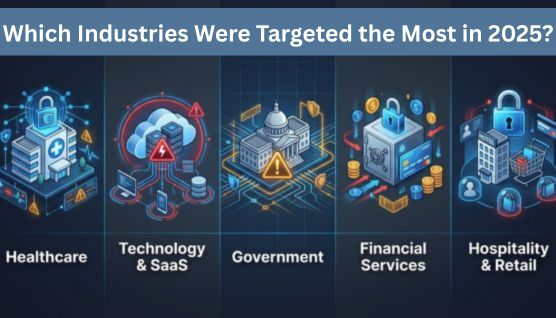
اتبعت معظم الهجمات الإلكترونية في عام 2025 أنماطًا قابلة للتكرار استغلت الهوية والثقة والبنية التحتية الرقمية التي تم تكوينها بشكل خاطئ.
ركزت الهجمات الإلكترونية في عام 2025 على الصناعات التي أدى فيها الاضطراب والبيانات الحساسة والرافعة المالية إلى تحقيق أسرع النتائج.
يعتمد الحد من المخاطر السيبرانية على التحكم في الهوية والحد من الثقة والاستجابة بشكل أسرع للانتهاكات.
قم بفرض المصادقة متعددة العوامل والوصول الأقل امتيازًا والمراقبة المستمرة لجميع المستخدمين. تنجح معظم الهجمات الحديثة من خلال إساءة استخدام بيانات اعتماد صالحة بدلاً من استغلال الأنظمة بشكل مباشر.
قم بتقييد وصول الجهات الخارجية ومراجعة أذونات المورد بانتظام عبر البيئات. تزدهر هجمات سلسلة التوريد على الثقة المفرطة والوصول الخارجي غير المُدار.
قم بمراجعة تكوينات السحابة وواجهات برمجة التطبيقات ورموز الوصول لمنع التعرض العرضي. تظل الخدمات السحابية التي تم تكوينها بشكل خاطئ سببًا رئيسيًا لتسرب البيانات على نطاق واسع.
قم بتطبيق تصحيحات الأمان بسرعة، خاصة للأنظمة التي تواجه الإنترنت والبرامج الهامة. تستمر التحديثات المتأخرة في تعريض المؤسسات لعمليات الاستغلال المعروفة.
تتبع حركة البيانات غير العادية وحركة المرور الصادرة للكشف المبكر عن الاختراق. يقوم العديد من المهاجمين الآن بسرقة البيانات بهدوء قبل تقديم طلبات الابتزاز.
حافظ على خطط الاستجابة المختبرة والنسخ الاحتياطية الآمنة وعمليات التصعيد الواضحة. يقلل الاحتواء السريع بشكل كبير من الأضرار التشغيلية والمالية.
تساعد CloudSek المؤسسات على اكتشاف التهديدات الإلكترونية في المرحلة التي لا تزال فيها إشارات وليست حوادث. وبدلاً من انتظار التنبيهات من داخل الشبكة، فإنها تركز على ما يراه المهاجمون ويستغلونه أولاً.
من خلال تتبع الأصول المكشوفة وبيانات الاعتماد المسربة وإساءة استخدام العلامة التجارية ونشاط الويب المظلم، يبرز CloudSek المخاطر التي غالبًا ما تفوتها الأدوات التقليدية. تسمح هذه الرؤية الخارجية لفرق الأمن بالعمل قبل أن تتحول الثغرات الأمنية إلى هجمات نشطة.
ما يجعل المنصة فعالة هو كيفية ربط معلومات التهديدات بسياق الأعمال الحقيقي. لا ترى الفرق الضوضاء فحسب، بل تحصل على مخاطر واضحة وذات أولوية تساعدها على التحرك بشكل أسرع والبقاء في صدارة المهاجمين.
