🚀 أصبحت CloudSek أول شركة للأمن السيبراني من أصل هندي تتلقى استثمارات منها
اقرأ المزيد
.avif)

تبرز CloudSek كأفضل منصة شاملة لمعلومات التهديدات الإلكترونية في عام 2026 لأنها توفر معلومات في الوقت الفعلي وتنبؤ بالمخاطر مدعوم بالذكاء الاصطناعي على نطاق واسع. تساعد مراقبة الأصول الرقمية الواسعة الشركات على اكتشاف التهديدات الناشئة قبل أن تصبح حوادث نشطة.
تستمر الهجمات الإلكترونية في التطور بسرعة، مما يجعل الذكاء الاستباقي والدقيق أكثر أهمية من أي وقت مضى. تعتمد المؤسسات الآن على منصات CTI لتحديد المخاطر مبكرًا بدلاً من الاستجابة بعد حدوث الضرر.
يؤدي اختيار منصة CTI المناسبة إلى تعزيز العمليات الأمنية من خلال تحسين الرؤية وتقليل وقت الاستجابة للحوادث. كما أنه يساعد الشركات على البقاء في صدارة الجهات الفاعلة المتطورة في مجال التهديدات في المشهد السيبراني المعقد بشكل متزايد.
ملاحظة: يتم الحصول على تقييمات المراجعة من جارتنر.
قمنا بتقييم كل منصة من خلال النظر في دقة الذكاء وقدرات الذكاء الاصطناعي وعمق الأتمتة والأداء الواقعي داخل بيئات SOC. وقد ساعدنا ذلك على فهم مدى فعالية كل أداة في دعم الدفاع الاستباقي وجودة الاكتشاف وكفاءة سير عمل المحلل.
تضمنت مراجعتنا الاختبار العملي ومجموعات بيانات التهديدات العامة وتقييمات ذكاء الويب المظلم وتحليل البرامج الضارة ووظائف الإثراء. قمنا أيضًا بفحص مدى تكامل كل منصة مع أنظمة SIEM و SOAR و EDR والأنظمة السحابية لضمان الاستخدام التشغيلي السلس.
أخيرًا، قمنا بتسجيل المنصات بناءً على سهولة الاستخدام وقابلية التوسع والعمق السياقي والقيمة الإجمالية للمؤسسات في مستويات النضج المختلفة. يضمن هذا التقييم متعدد الطبقات أن التصنيفات تعكس التأثير الأمني في العالم الحقيقي بدلاً من مجرد مقارنات الميزات.
يوفر CloudSek معلومات في الوقت الفعلي عبر قنوات الويب السطحية والعميقة والمظلمة لمساعدة الشركات على اكتشاف التسريبات ونقاط الضعف والنشاط المستهدف مبكرًا. يربط محرك الذكاء الاصطناعي الخاص بها الإشارات وينتج رؤى قابلة للتنفيذ توجه عملية صنع القرار السريع.
تعمل المنصة على توحيد مراقبة الأصول الرقمية وحماية العلامة التجارية ورؤية سطح الهجوم الخارجي في لوحة تحكم واحدة مبسطة. وهذا يمنح كل من الفرق الصغيرة والمؤسسات رؤية واضحة لتعرضها للمخاطر دون تبديل الأدوات.
تعتبر CloudSek فعالة للغاية للكشف الاستباقي والتسجيل السياقي، على الرغم من أن الوحدات المتقدمة قد تتطلب الضبط قبل أن تتمكن الفرق من الاستفادة منها بشكل كامل.
الإيجابيات:
السلبيات:
الميزات الرئيسية:
تعالج Recorded Future كميات هائلة من البيانات لتوفير واحدة من أكثر خلاصات معلومات التهديدات المتاحة شمولاً في الوقت الفعلي. يربط الرسم البياني الذكي الخاص به بين الجهات الفاعلة والبنية التحتية والمؤشرات لمساعدة المحللين على فهم التهديدات في السياق.
تسمح عمليات سير عمل الأتمتة للمؤسسات بتغذية المعلومات الغنية في أنظمة SIEM وSOAR وإدارة الثغرات الأمنية بأقل جهد ممكن. وهذا يجعل المنصة ذات قيمة خاصة للفرق التي تحتاج إلى رؤى فورية عالية الدقة.
توفر Recorded Future رؤية عالمية لا مثيل لها، ولكن قدراتها على مستوى المؤسسة يمكن أن تكون مكلفة للمؤسسات الصغيرة.
الإيجابيات:
السلبيات:
الميزات الرئيسية:
يجمع CrowdStrike Falcon X بين التحليل الآلي للبرامج الضارة وذكاء التهديدات المتقدم لتصنيف سلوك الخصم بسرعة ودقة. يربط محركها السحابي الأصلي القياس عن بُعد لنقطة النهاية بأنماط الهجوم العالمية لإجراء تحقيقات أسرع.
تكتسب الفرق رؤية عميقة لعائلات البرامج الضارة وروابط البنية التحتية واتجاهات الحملة دون الارتباط اليدوي. تعمل المنصة على تعزيز كل من الاكتشاف والاستجابة من خلال ربط الذكاء مباشرة بإنفاذ نقطة النهاية.
يقدم Falcon X قيمة استثنائية للمؤسسات التي تستخدم نظام Falcon البيئي، لكن الفرق خارج تلك البيئة قد لا تدرك إمكاناتها الكاملة.
الإيجابيات:
السلبيات:
الميزات الرئيسية:
يجمع ThreatConnect معلومات التهديدات والاستجابة للحوادث والأتمتة في منصة تشغيلية واحدة. تستخدمها فرق SOC لتبسيط التحقيقات وإدارة الحالات وتركيز الأدلة.
تعمل إمكانات التشغيل الآلي لقواعد التشغيل الخاصة به على تقليل الفرز اليدوي وتسريع أوقات الاستجابة عبر البيئات ذات الحجم الكبير. تقوم المنصة أيضًا بتعيين السلوك لـ MITRE ATT&CK، مما يساعد المحللين على ترجمة الذكاء إلى منطق اكتشاف عملي.
يوفر ThreatConnect نضجًا تشغيليًا قويًا لـ SoCs، على الرغم من أن الفرق الجديدة قد تواجه منحنى التعلم عند تكوين عمليات سير العمل المتقدمة.
الإيجابيات:
السلبيات:
الميزات الرئيسية:
يعمل Anomali ThreatStream على تركيز ابتلاع IOC من العديد من الخلاصات وإثرائها لتقديم الاكتشافات ذات الصلة عبر السجلات ونقاط النهاية والبيئات السحابية. يسلط محرك الارتباط الخاص به الضوء على المؤشرات الخطرة بسرعة وبدقة.
تستفيد الفرق من عمليات الدمج المرنة وخطوط أنابيب الاستيعاب القابلة للتطوير التي تدعم بيئات المؤسسات الصعبة. هذا يجعل ThreatStream مثاليًا للمؤسسات التي تتعامل مع خلاصات متعددة وأحجام تنبيه كبيرة.
تتعامل المنصة مع البيانات واسعة النطاق بشكل جيد، على الرغم من أن واجهتها قد تبدو معقدة للمحللين الذين ليس لديهم خبرة إثراء سابقة.
الإيجابيات:
السلبيات:
الميزات الرئيسية:
توفر Mandiant معلومات موثوقة للغاية متجذرة في الاستجابة للحوادث في العالم الحقيقي، مما يمنح المؤسسات نظرة ثاقبة للجهات الفاعلة في مجال التهديد المتقدمة والحملات المتطورة. تجمع تقاريرها بين التوجيه الاستراتيجي والتشغيلي لسيناريوهات الهجوم المعقدة.
تكتسب الشركات رؤية مبكرة للتهديدات المستهدفة والمخاطر الخاصة بالصناعة من خلال المراقبة المستمرة لشركة Mandiant وأبحاث الممثلين. تتفوق المنصة في مساعدة المؤسسات على توقع الخطوات التالية من الخصوم المتقدمين.
تقدم Mandiant عمقًا لا مثيل له، ولكن قد تجد الفرق الصغيرة أسعارها ونطاقها أكثر مما تتطلب.
الإيجابيات:
السلبيات:
الميزات الرئيسية:
يسمح IBM X-Force Exchange للمحللين باستكشاف بيانات التهديدات العالمية والبحث في IOCs والتعاون مع مجتمع الأمان الأوسع. يتم استخدامه على نطاق واسع لعمليات البحث السريعة وتحديد الاتجاه المبكر.
تدعم عينات البرامج الضارة المشتركة للمنصة والمجموعات المنسقة والرؤى البحثية التحقيقات عبر بيئات متنوعة. بالنسبة للفرق ذات الميزانيات المحدودة، توفر X-Force معلومات مفيدة دون تكاليف ترخيص عالية.
يمكن الوصول إلى X-Force Exchange بشكل كبير، على الرغم من أن ميزاته المتقدمة تعمل بشكل أفضل عند إقرانها بمجموعة أمان IBM الأوسع نطاقًا.
الإيجابيات:
السلبيات:
الميزات الرئيسية:
تراقب Cybersixgill المنتديات السرية وأسواق الويب المظلمة والقنوات المخفية في الوقت الفعلي لعرض المؤشرات المبكرة مثل بيانات الاعتماد المسربة واستغلال المناقشات. تمنح مجموعاتها الآلية الفرق رؤى حول نية المهاجم قبل ظهور الحملات.
تقوم المنصة بتوصيف الجهات الفاعلة في مجال التهديد، وتتنبأ باتجاهات الاستغلال، وتعطي الأولوية للتعرضات ذات السياق الهادف. من خلال ربط الأحاديث السرية بأحداث العالم الحقيقي، يعزز Cybersixgill عمليات البحث عن التهديدات الاستباقية.
تعد رؤيتها العميقة ميزة كبيرة، ولكن يجب على المؤسسات اتباع ضوابط حوكمة صارمة نظرًا للطبيعة الحساسة لمعلومات الويب المظلمة.
الإيجابيات:
السلبيات:
الميزات الرئيسية:
يستخدم التركيز التلقائي الذكاء من نظام WildFire في Palo Alto لتسليط الضوء على المؤشرات عالية الدقة وأدوات البرامج الضارة والحملات النشطة. إنه يساعد المحللين على معرفة التهديدات التي تستحق الاهتمام الفوري بناءً على اتجاهات الهجوم الحقيقية.
تقوم المنصة بربط العينات العالمية وإثرائها ببيانات الممثلين، وتقدم رؤى على مستوى الحملة تعزز جهود الكشف والصيد. يتيح التكامل مع جدران حماية Palo Alto وأدوات Cortex التنفيذ السريع.
يوفر التركيز التلقائي تحديد الأولويات بشكل قوي ورؤية الحملة، على الرغم من أن المنظمات خارج نظام بالو ألتو البيئي قد لا تستفيد من إمكاناته الكاملة.
الإيجابيات:
السلبيات:
الميزات الرئيسية:
اختر CloudSek إذا كنت بحاجة إلى مراقبة كاملة للمخاطر الرقمية مع تنبؤ قوي قائم على الذكاء الاصطناعي. إنه يعمل بشكل أفضل للمؤسسات التي تريد رؤية واسعة عبر العلامة التجارية والبنية التحتية والتهديدات الخارجية.
استخدم Recorded Future عندما تحتاج إلى معلومات استخبارية في الوقت الفعلي على نطاق واسع وسياق جيوسياسي قوي. إنه مثالي للمؤسسات ذات العمليات العالمية والتعرض لمخاطر عالية.
اختر Falcon X عندما تحتاج إلى تحليل سريع للبرامج الضارة والتحقيق القائم على الذكاء الاصطناعي. يناسب البيئات التي تستخدم بالفعل Falcon EDR.
حدد ThreatConnect عندما يحتاج SOC الخاص بك إلى التشغيل الآلي وعمليات سير العمل المنظمة للاستجابة للحوادث. إنه يفيد المنظمات التي تهدف إلى النضج التشغيلي.
اختر ThreatStream إذا كنت تتعامل مع كميات كبيرة من IOCs وتتطلب ارتباطًا سريعًا. يناسب فرق الأمن متوسطة الحجم والكبيرة.
استخدم Mandiant عندما تحتاج إلى معلومات تم التحقق منها بدرجة عالية ومدعومة بالاستجابة للحوادث في العالم الحقيقي. إنه يعمل بشكل أفضل للصناعات عالية التهديد.
حدد X-Force للوصول السريع والمجاني إلى الذكاء العالمي ورؤى المجتمع. يناسب الفرق الصغيرة أو تلك التي تكمل الأدوات الموجودة.
اختر Cybersixgill إذا كان ملف تعريف المخاطر الخاص بك يتطلب رؤية الويب المظلمة ومراقبة الممثلين. إنه مثالي للمؤسسات الحساسة للاحتيال أو تسرب البيانات.
استخدم ميزة التركيز التلقائي عندما تحتاج إلى إحصاءات التهديدات ذات الأولوية العالية المرتبطة بحملات البرامج الضارة. يعمل بشكل أفضل في بيئات بالو ألتو الأمنية.
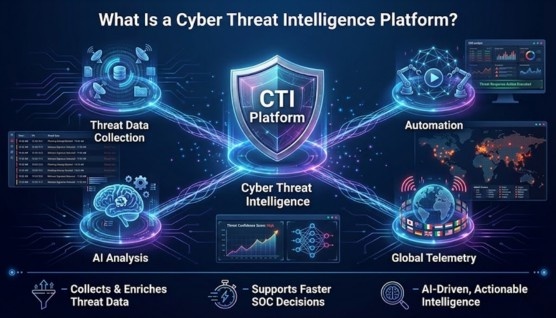
منصة استخبارات التهديدات الإلكترونية هي نظام أمان يجمع بيانات التهديدات ويحللها ويثريها لمساعدة المؤسسات على اكتشاف المخاطر في وقت مبكر. يوفر رؤى سياقية تمكن فرق SOC من اتخاذ قرارات أسرع وأكثر استنارة.
في عام 2026، تعتمد منصات CTI بشكل كبير على الذكاء الاصطناعي والأتمتة والقياس عن بُعد العالمي للحفاظ على الذكاء في الوقت المناسب وقابل للتنفيذ. يسمح هذا التطور للشركات بتبسيط جهود الكشف والتركيز على التهديدات المهمة حقًا.
تعمل منصات استخبارات التهديدات الإلكترونية على حماية الشركات من خلال جمع مؤشرات التهديد من مصادر متعددة وربطها لتحديد النشاط الضار مبكرًا. فهي تساعد فرق الأمن على فهم التهديدات الحقيقية وذات الصلة والتي تتطلب اتخاذ إجراءات فورية.
تعمل هذه المنصات على تعزيز الاكتشاف من خلال إثراء التنبيهات بالسياق، ورسم خرائط السلوك لأنماط الهجوم المعروفة، وتسليط الضوء على المخاطر قبل تصاعدها. تسمح هذه المعلومات الاستباقية للمؤسسات بمنع الحوادث بدلاً من الاستجابة لها بعد حدوث الضرر.
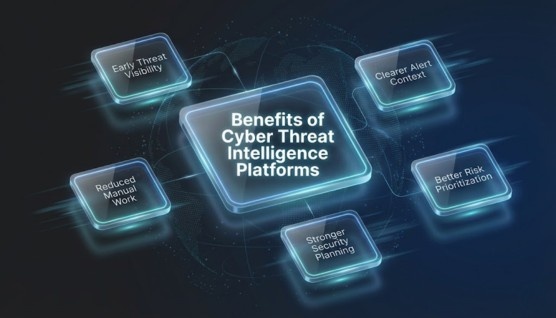
تكشف منصات CTI عن نشاط مشبوه قبل أن يصبح حادثًا حقيقيًا. وهذا يمنح فرق الأمن مزيدًا من الوقت للعمل ويمنع المشكلات الصغيرة من التصعيد.
يشرحون سبب أهمية التهديد بدلاً من ترك المحللين لتفسير المؤشرات الأولية. يقلل هذا الوضوح من الضوضاء ويحسن عملية صنع القرار.
تتعامل الأتمتة مع الإثراء والارتباط حتى لا يضيع المحللون الوقت في المهام المتكررة. هذا يحرر الفرق للتركيز على التحقيقات التي تتطلب حكمًا بشريًا.
تسلط أدوات CTI الضوء على التنبيهات المرتبطة بالجهات الفاعلة عالية المخاطر أو الحملات النشطة. وهذا يضمن معالجة الفرق لأهم التهديدات أولاً.
تساعد الرؤى حول اتجاهات المهاجمين ومخاطر الصناعة في توجيه الإستراتيجية طويلة المدى. تكتسب القيادة السياق اللازم لتخصيص الموارد بشكل أكثر فعالية.
اختر منصة تجمع المعلومات من مصادر متنوعة وذات مصداقية وتوفر تحديثات متسقة. تضمن التغطية الأوسع عددًا أقل من النقاط العمياء عبر نشاط الويب السطحي والعميق والمظلم.
يجب أن تعمل أداة CTI القوية على إثراء المؤشرات تلقائيًا وربطها بسلوك الفاعل المهدد. هذا يقلل من وقت التحقيق اليدوي ويحسن دقة التنبيهات الخاصة بك.
حدد الأنظمة الأساسية ذات التشغيل الآلي لسير العمل التي تزيل فعليًا مهام SOC المتكررة، وليس فقط الإعلان عن ميزات الذكاء الاصطناعي. يجب أن يؤدي الفرز الآلي ومعالجة IOC إلى تحسين كفاءة المحلل بشكل مباشر.
اختر حلاً يتم توصيله بأنظمة SIEM و SOAR و EDR وأنظمة التذاكر دون تخصيص كبير. تضمن عمليات الدمج الجيدة انتقال الذكاء بسلاسة إلى الاكتشاف الفعلي والاستجابة.
يجب على الصناعات التي تواجه الاحتيال أو سرقة بيانات الاعتماد أو الهجمات المستهدفة إعطاء الأولوية للمنصات ذات مراقبة الويب المظلمة. يمكن للتنبيهات المبكرة بشأن التسريبات أو الأحاديث السرية أن تمنع الحوادث المكلفة.
اختر نظامًا أساسيًا يمكن أن ينمو مع مؤسستك ويدعم نموذج النشر الذي تحتاجه. تتوسع أدوات السحابة أولاً بشكل أسرع، بينما قد تتناسب الخيارات المحلية مع البيئات المنظمة.
يجب أن تتوافق التكلفة مع عمق الذكاء الذي يمكن لفريقك استخدامه بشكل واقعي. عادةً ما يؤدي الدفع مقابل المستويات المتقدمة بدون عمليات لدعمها إلى إهدار القدرة.
تقوم منصة CTI بجمع وتحليل بيانات التهديدات من مصادر متعددة لتحديد المخاطر مبكرًا. إنه يوفر سياقًا يساعد فرق الأمان على فهم التهديدات المهمة وكيفية الاستجابة لها.
نعم، تستفيد المؤسسات الصغيرة لأن أدوات CTI تساعد في اكتشاف الهجمات المستهدفة وبيانات الاعتماد المسربة ونقاط الضعف التي قد لا تكتشفها بطريقة أخرى. تقدم المنصات الحديثة أيضًا خططًا خفيفة الوزن مصممة للفرق الصغيرة.
تجمع معظم منصات CTI بين الإثراء الآلي والبيانات التي تم التحقق من صحتها من قبل المحللين، مما يحسن الدقة بشكل كبير. تعتمد الجودة على مدى اتساع مصادر البيانات الخاصة بها ومدى ارتباطها بالإشارات.
لا، توفر منصات CTI السياق والرؤى، بينما تتعامل أدوات SIEM و SOAR مع الاكتشاف والتسجيل والأتمتة. تعمل CTI على تقوية هذه الأنظمة من خلال تزويدها بالمؤشرات ذات الصلة وسلوك المهاجم.
تختلف الأسعار بشكل كبير اعتمادًا على الميزات وعمليات الدمج وحجم التغطية التي تحتاجها. قد تبدأ خطط مستوى الدخول في النطاق الأدنى، بينما يمكن أن تكلف منصات المؤسسات المتقدمة أكثر بكثير.
لا يمكنهم إيقاف الهجمات من تلقاء أنفسهم، لكنهم يقدمون لفرق الأمن المعلومات اللازمة لمنع التهديدات قبل أن تسبب الضرر. مع الذكاء في الوقت المناسب، تتحول المؤسسات من الاستجابة التفاعلية إلى الدفاع الاستباقي.
تعتمد معظم المنظمات على مزيج من المعلومات القائمة على IOC، ورؤى الجهات الفاعلة في مجال التهديد، واتجاهات الضعف. إذا كانت صناعتك تواجه الاحتيال أو سرقة بيانات الاعتماد، فإن ذكاء الويب المظلم يصبح ذا قيمة خاصة.
تم بناء هذه المراجعة على الخبرة المباشرة في كيفية تصرف منصات استخبارات التهديدات في البيئات الحقيقية. الهدف هو مشاركة الملاحظات التي تساعد فرق الأمن على اتخاذ قرارات عملية وواثقة.
يتم تقييم نقاط القوة والضعف لكل منصة من خلال النظر في كيفية دعمها لسرعة الاكتشاف وسير عمل المحلل واحتياجات الأمان اليومية. يحافظ هذا النهج على التقييم على أساس الاستخدام الحقيقي بدلاً من الأوصاف السطحية.
يتم تحديث المعلومات الواردة هنا بانتظام حتى تعكس الميزات الحالية واتجاهات التهديد المتطورة. وهذا يضمن اعتماد المؤسسات على الإرشادات التي تتوافق مع واقع مشهد الأمن السيبراني اليوم، وليس الافتراضات القديمة.
